











An email validation checker helps teams verify whether an email address or a bulk list is safe to use before outreach. This matters because email deliverability, sender reputation protection, and cold email performance all depend on list quality. If a list contains invalid, stale, disposable, role-based, or risky addresses, even a strong campaign can fail before it reaches the inbox.
Choosing an email validation checker should start with one question: will it help you avoid bad sends without hiding uncertainty? The comparison below looks at feature depth, pricing logic, workflow fit, and Hunter.io benchmark data, so teams can judge tools by operational value rather than fixed accuracy claims.
Quick answer
The best email validation checker is not the one with the loudest marketing claim. It is the one that helps you reduce email bounce rate, protect sender reputation, classify risky addresses honestly, and fit your actual workflow. For teams focused on massive cold email list cleaning without monthly subscription pressure, TrustSender.io is built around unlimited validation during a 24 hour email validation pass. For other workflows, tools such as Hunter, ZeroBounce, NeverBounce, Kickbox, Bouncer, Clearout, and others may fit different use cases.
Key takeaways
- Email validation checker tools are valuable when they reduce avoidable bounces and classify uncertainty honestly.
- Hunter.io benchmark data shows real-world performance is far below the exaggerated claims commonly seen in marketing pages.
- Large providers such as Google, Microsoft, Yahoo, and Yandex can vary mailbox behavior by time of day, traffic load, and security policies.
- Feature comparison matters just as much as raw benchmark scores: pricing model, outputs, integrations, risky email detection, and workflow fit all affect value.
- TrustSender.io is positioned around pay as you go email verification, unlimited email verification during the active Day Pass, and output clarity for bulk list cleaning.
- For cold outreach, email bounce prevention is more valuable than post-campaign cleanup.
What should an email validation checker actually do?
A complete email checker should do more than return a simple valid-or-invalid result. In practice, teams need bulk email verification, email diagnostics, disposable email detection, role based email detection, catch-all handling, and a realistic way to separate safer addresses from uncertain ones. A strong email validation service also helps reduce email bounces, support email list cleaning, and improve campaign performance over time.
A practical checker starts with format, domain, and MX checks, then adds SMTP signals, catch-all handling, disposable email detection, role-based rules, and clear risk categories. Bulk teams should also evaluate whether the tool exports separate files for deliverable, risky, and undeliverable addresses, because those outputs determine what sales or marketing teams can safely do next.
Feature Analysis: TrustSender.io
| Feature Analysis | TrustSender.io |
|---|---|
| Pricing Model | Day Pass access with unlimited validation during the active 24-hour period; no mandatory monthly subscription. |
| Core Technology | Layered syntax, domain, DNS, MX, and SMTP-oriented analysis with deliverable, risky, and undeliverable classification outputs. |
| Key Differentiator | Designed for massive email list validation and cold email list cleaning with clear CSV outputs and no per-email counting during the active pass. |
| API Access | Public API is planned for a later phase; the current focus is bulk validation workflow and list hygiene. |
| Ease of Use | High for bulk workflows: upload list, process, review deliverable/risky/undeliverable files, and inspect email diagnostics. |
Email validation checker tools compared by workflow
Different teams need different verification workflows. Some tools focus on prospecting and outreach, others prioritize CRM hygiene, real-time form validation, or recurring list monitoring. TrustSender.io is included for teams that need high-volume cold email list cleaning with clear deliverable, risky, and undeliverable outputs, without being forced into a monthly subscription.
1. TrustSender.io
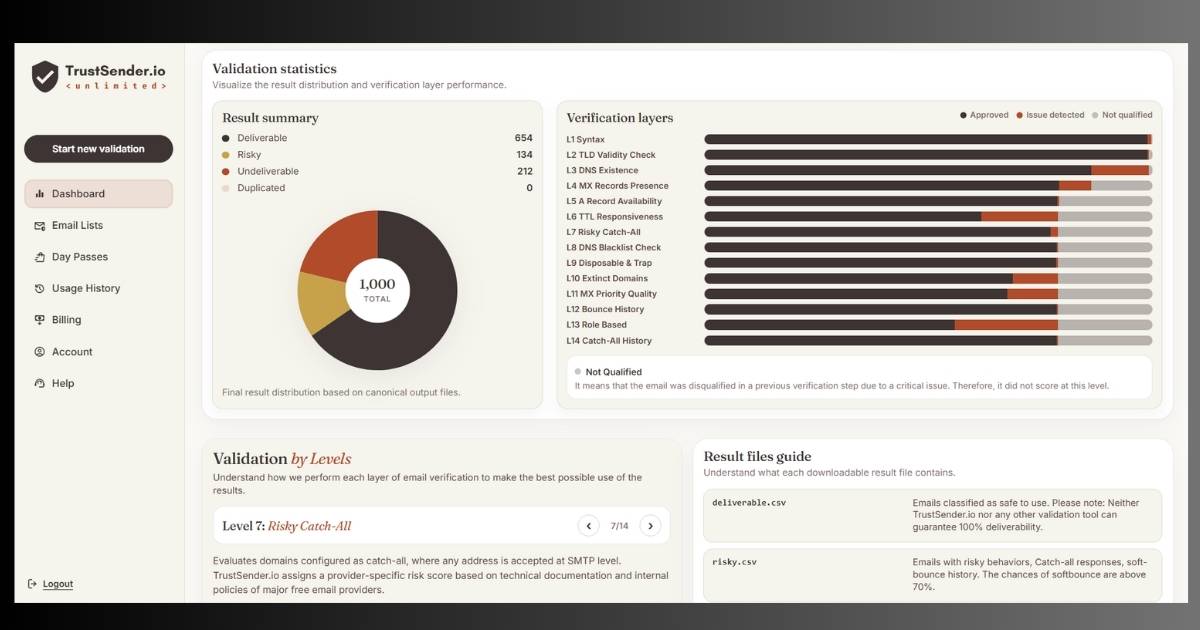
TrustSender.io is built for unlimited email verification during a Day Pass, which makes it especially relevant for users who need bulk email checker capacity without a subscription. Its positioning is strongest in cold email verification, massive email list validation, sender reputation protection, and output clarity. Instead of forcing all uncertain addresses into a simplistic valid bucket, the workflow separates deliverable, risky, and undeliverable results and also produces email diagnostics for deeper review.
2. ZeroBounce
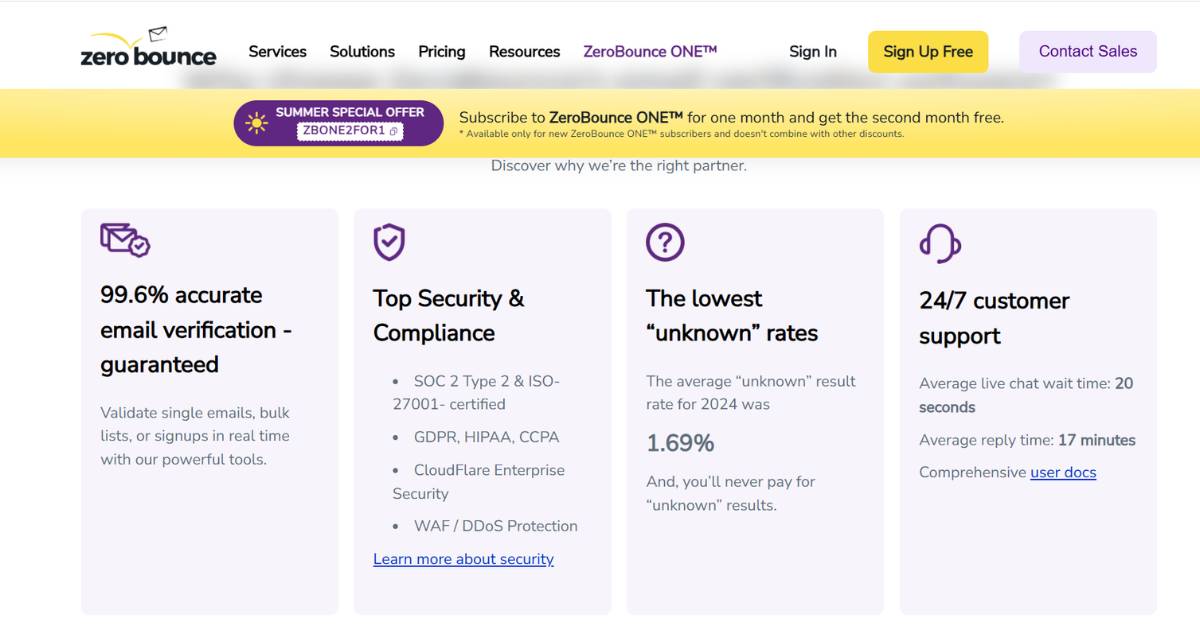
ZeroBounce is one of the most recognized brands in this segment and is often evaluated as a ZeroBounce alternative benchmark reference. It combines email verification with scoring, enrichment, and deliverability-oriented tools. It is commonly used by marketers who want a broader suite than a simple email address checker, although pricing and workflow structure may be less attractive for users who just want a one-day bulk email list cleaning operation.
3. NeverBounce
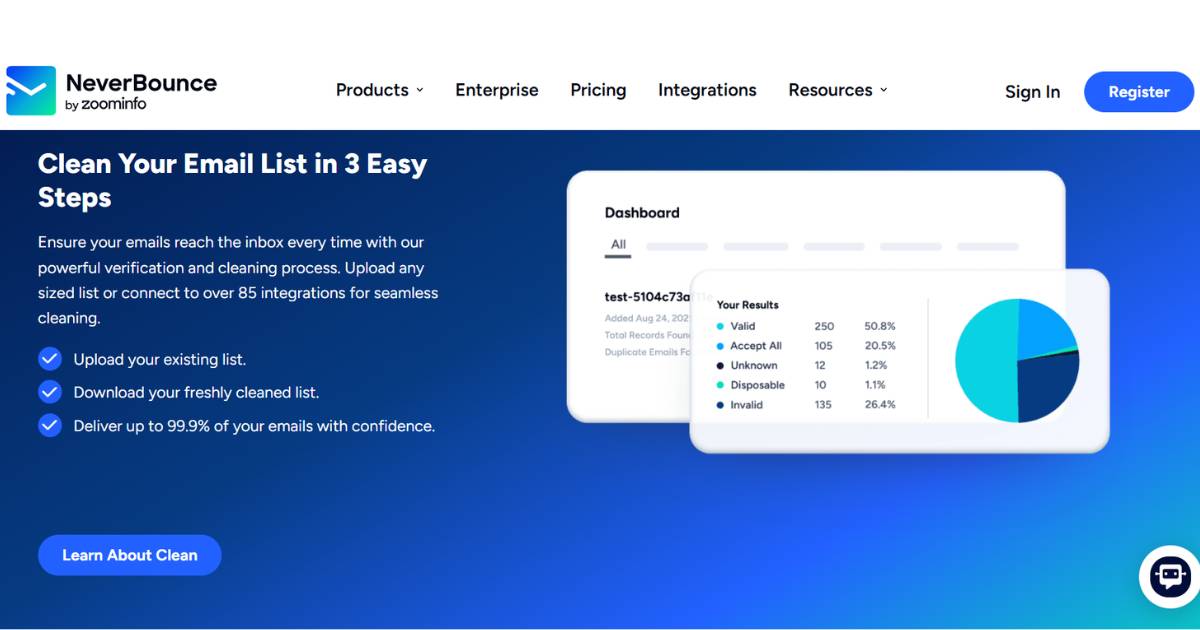
NeverBounce is a long-established option focused on list cleaning and real-time verification. It is often selected by companies that need regular database hygiene or platform integrations. For organizations that prioritize recurring cleanup, it remains a notable option, although its model is structurally different from no subscription email verification services like TrustSender.io.
4. Hunter
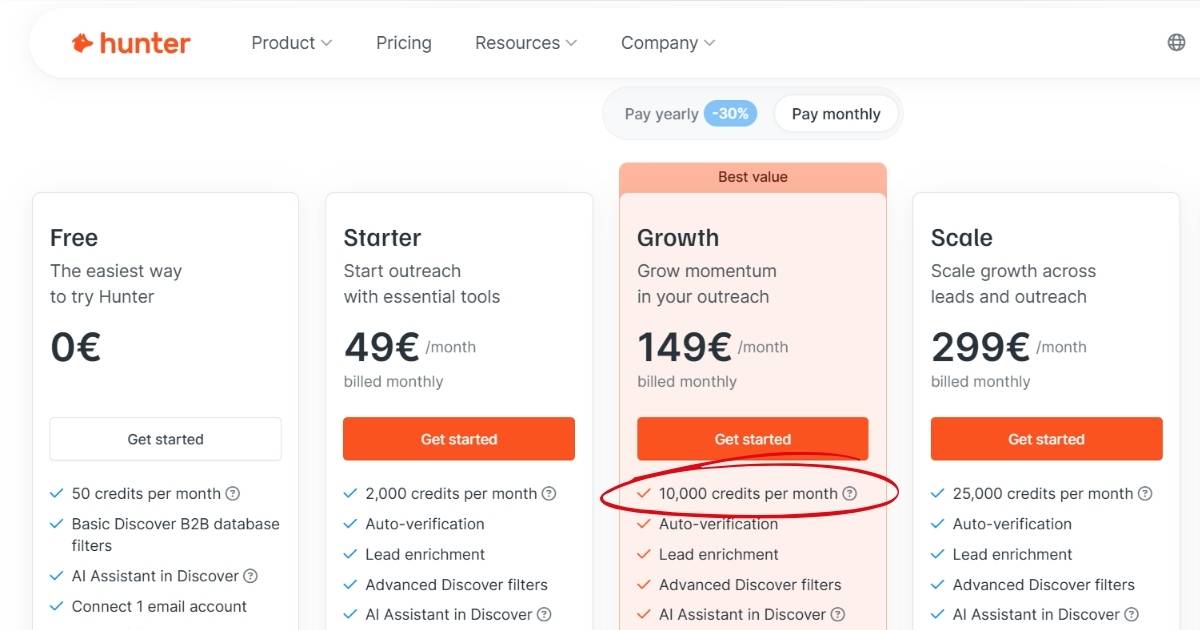
Hunter is more than an email validity checker. It sits inside a broader prospecting and outreach ecosystem that includes lead discovery and campaign workflows. That makes it useful for sales teams and recruiters who want one stack for multiple tasks. It also matters because its published benchmark data provides one of the clearest public reminders that email verification accuracy is far more limited than most marketing pages admit.
5. DeBounce
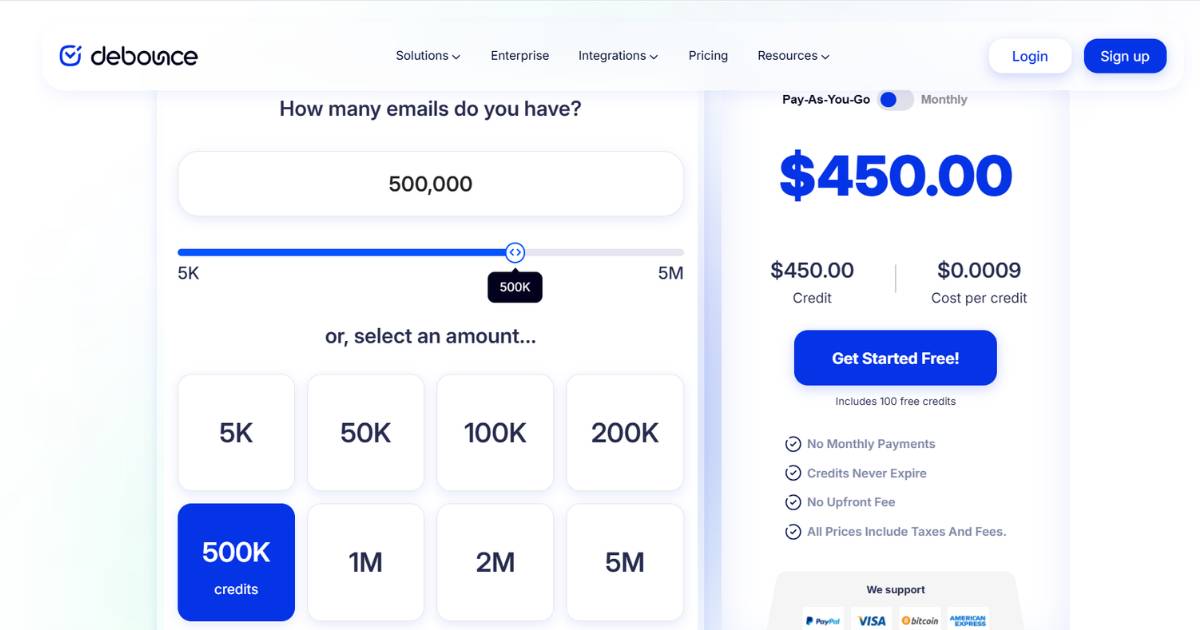
DeBounce is usually positioned as a cost-sensitive bulk email verifier with anti-greylisting messaging and standard verification features. It may appeal to smaller teams looking for affordability, but teams running high-risk cold outreach should still compare output quality, risky email detection behavior, and how it handles uncertain SMTP patterns.
6. Emailable
Emailable combines verification with monitoring and many integrations, which can be useful for organizations with recurring list hygiene needs. It is often evaluated by teams that want email deliverability checker functionality plus automation, rather than a one-time list washing workflow.
7. Bouncer
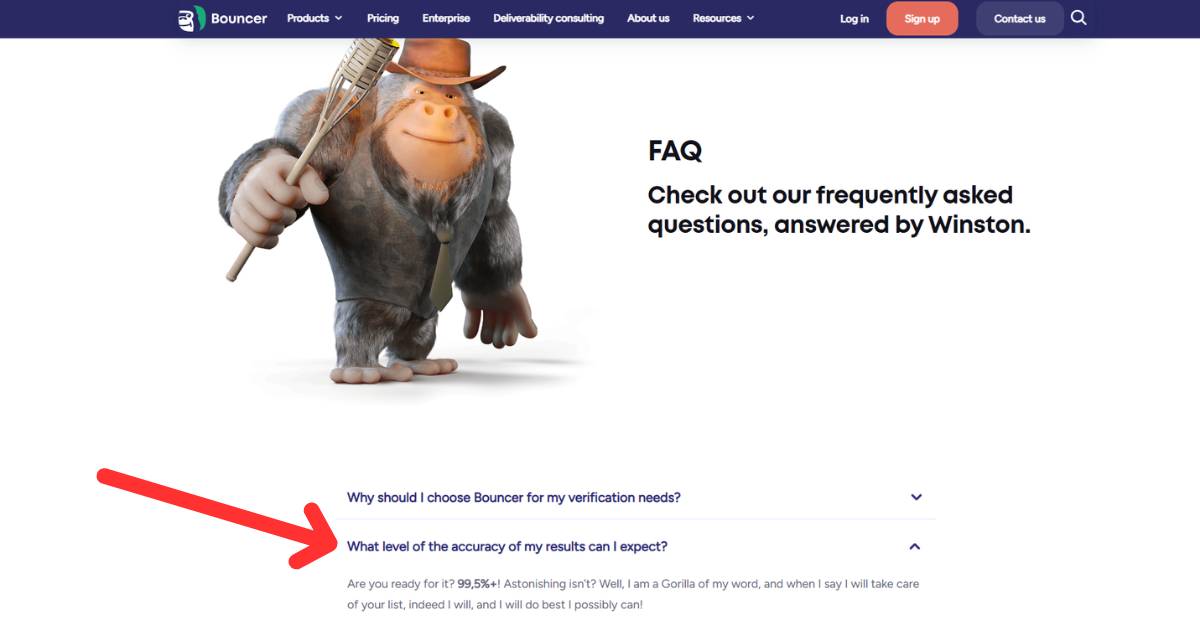
Bouncer, sometimes shown as UseBouncer in benchmarks, is widely known among email marketers and is often praised for usability and pay-as-you-go flexibility. It is particularly relevant for teams who want a balance between practical verification and deliverability-oriented workflows, although usage economics differ from the unlimited Day Pass logic of TrustSender.io.
8. Kickbox
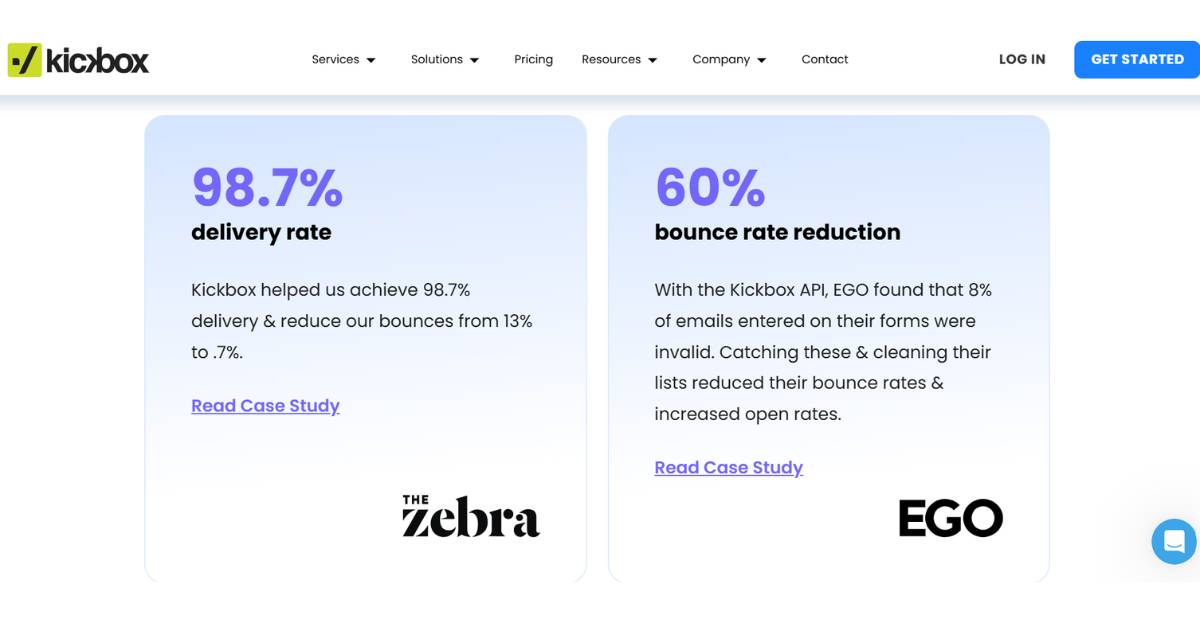
Kickbox is a familiar platform in the email verification market and is often chosen by marketers who need a mix of verification, analytics, and integrations. In the Hunter benchmark, it performed near the top of the group, which makes it a relevant comparison point for any serious email list checker evaluation.
9. EmailListVerify
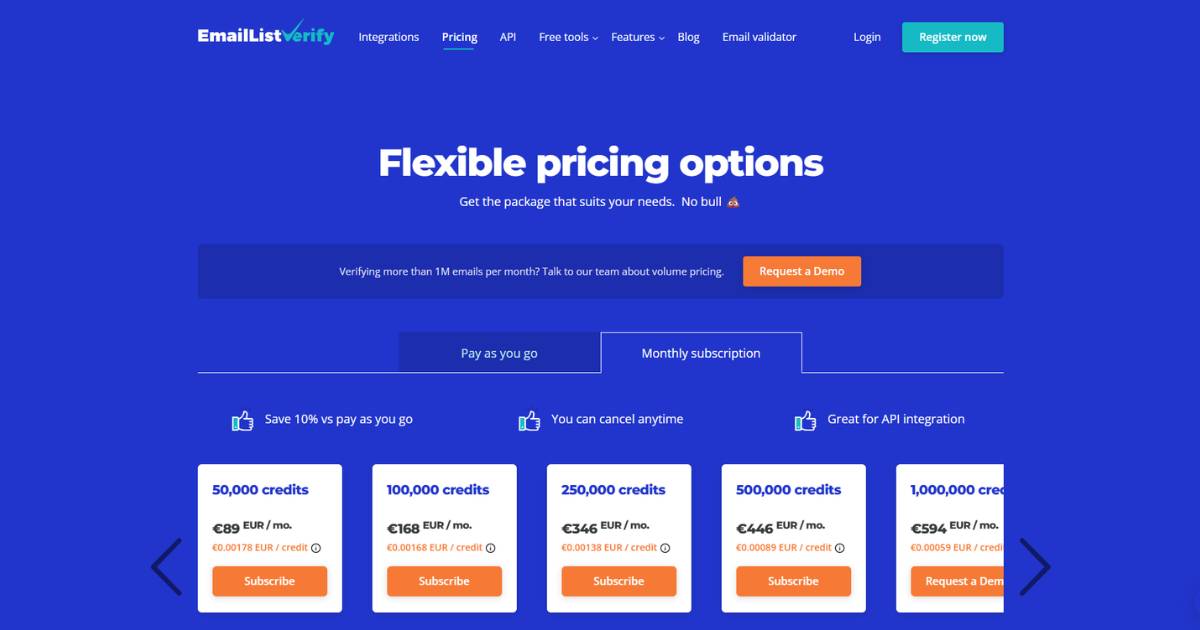
EmailListVerify is often considered by budget-conscious users looking for a straightforward bulk email checker. Its appeal is simplicity and affordability. For many users it covers the basics well, but advanced users should still compare how transparent the outputs are and how comfortable the workflow is for risky email detection and suppression decisions.
10. Verifalia
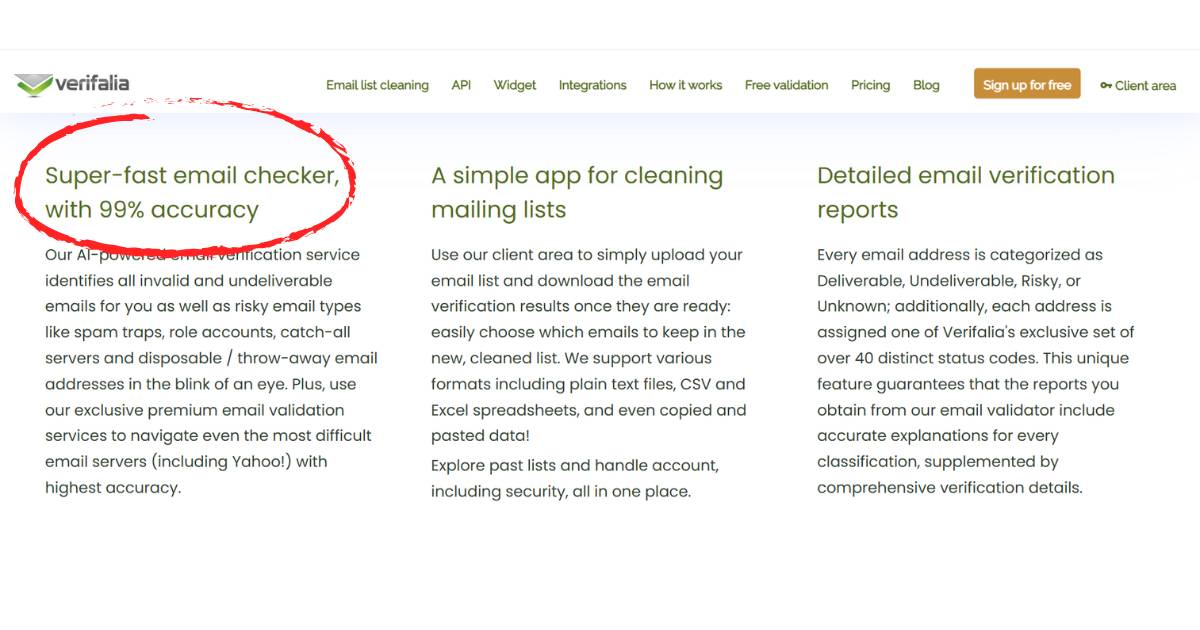
Verifalia is known for flexible reporting and verification options. It is often evaluated by companies that want a more technical service footprint with batch and API-style possibilities. For bulk validation decisions, its fit depends on whether the team values configuration flexibility more than operational simplicity.
11. Xverify
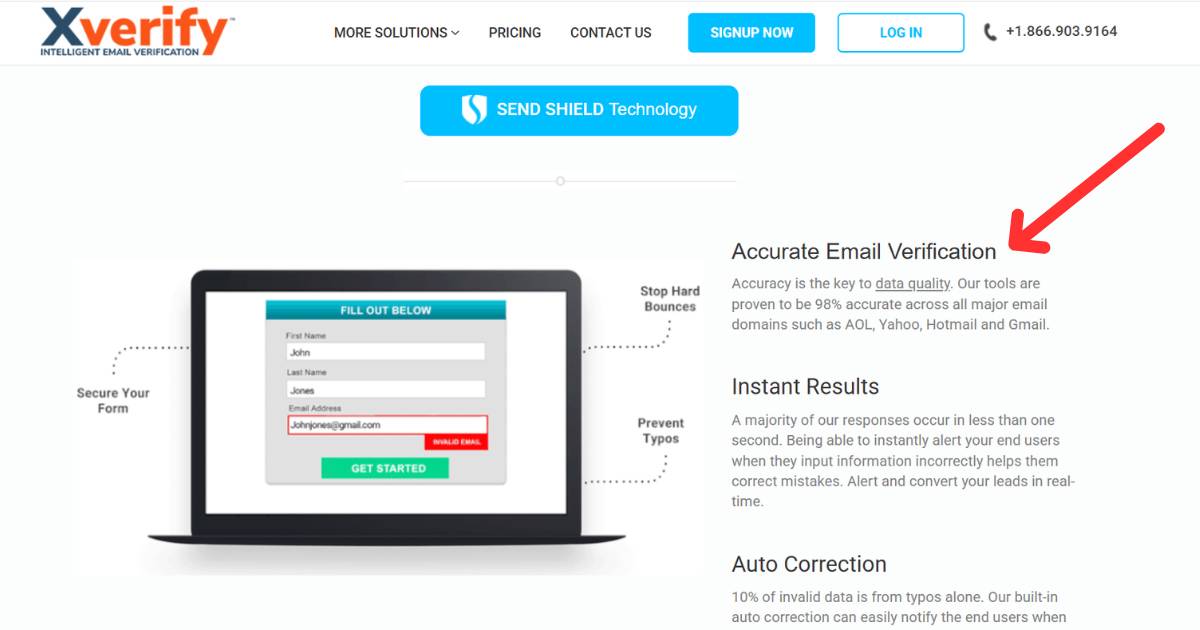
Xverify is another long-running option in the space, usually presented around bulk and real-time verification. It is often considered by SMBs and enterprise teams that want flexible pricing and a mainstream validation workflow. As always, the real comparison point is not marketing certainty but practical output quality and workflow suitability.
12. Snov.io
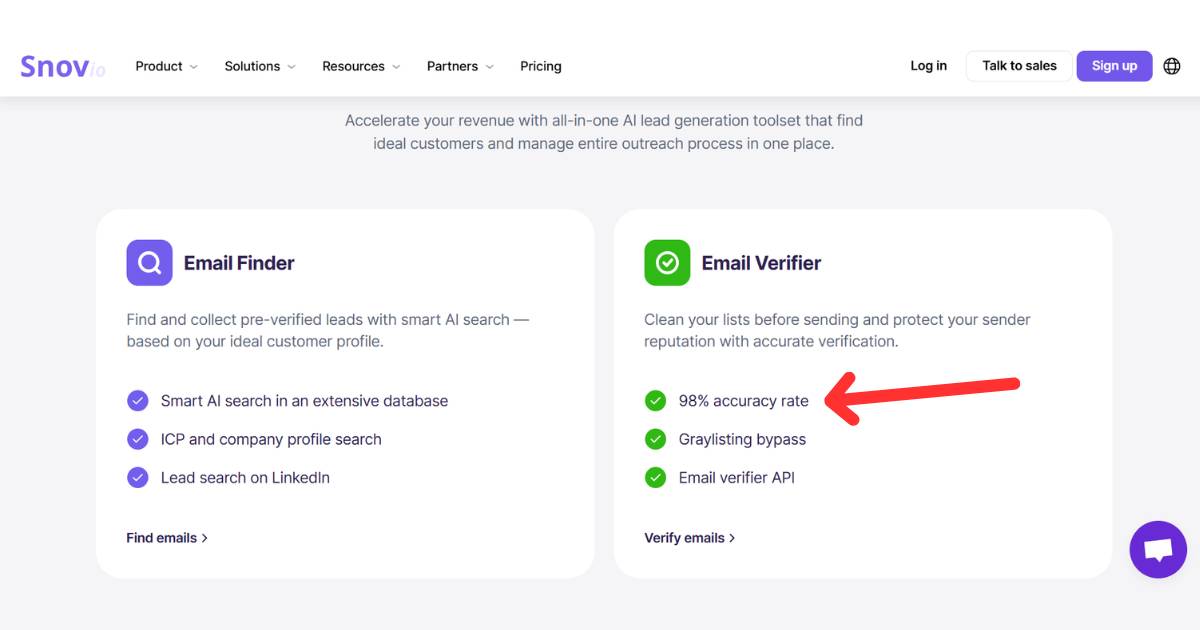
Snov.io is a prospecting and cold outreach platform that also includes email verification. Its main fit is not only list cleaning, but a broader workflow that includes finding leads, validating contacts, and sending campaigns. This can be useful for teams that want outreach and verification in one environment.
However, the Hunter.io benchmark shows why convenience should not be confused with verification accuracy. Snov.io appeared at the bottom of the overall accuracy table, with 31.20% in that specific test. For users comparing an email validation checker, this reinforces the need to separate prospecting features from bounce prevention quality.
Best for: Teams that want prospecting, lead generation, and campaign sending features together with basic email verification.
13. Clearout
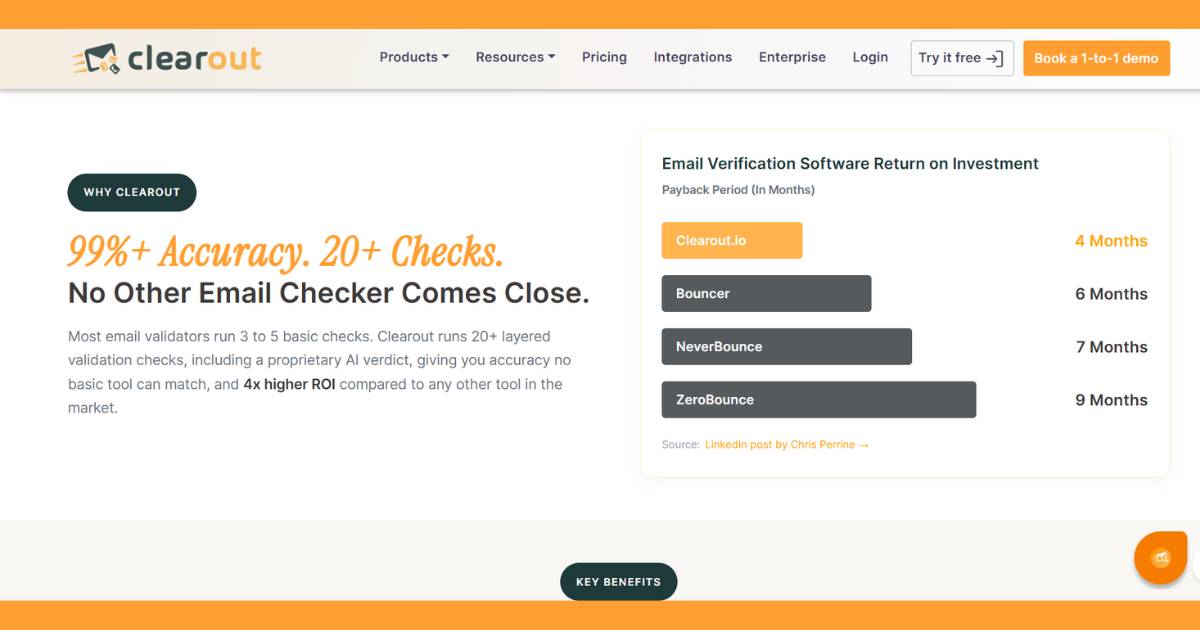
Clearout ranked near the top in Hunter.io’s published benchmark. It is a relevant option for users who care about benchmarked accuracy and operational breadth, especially around real-time and CRM-friendly verification. For teams comparing vendors on measurable performance, it deserves a place in the shortlist.
14. MailerCheck
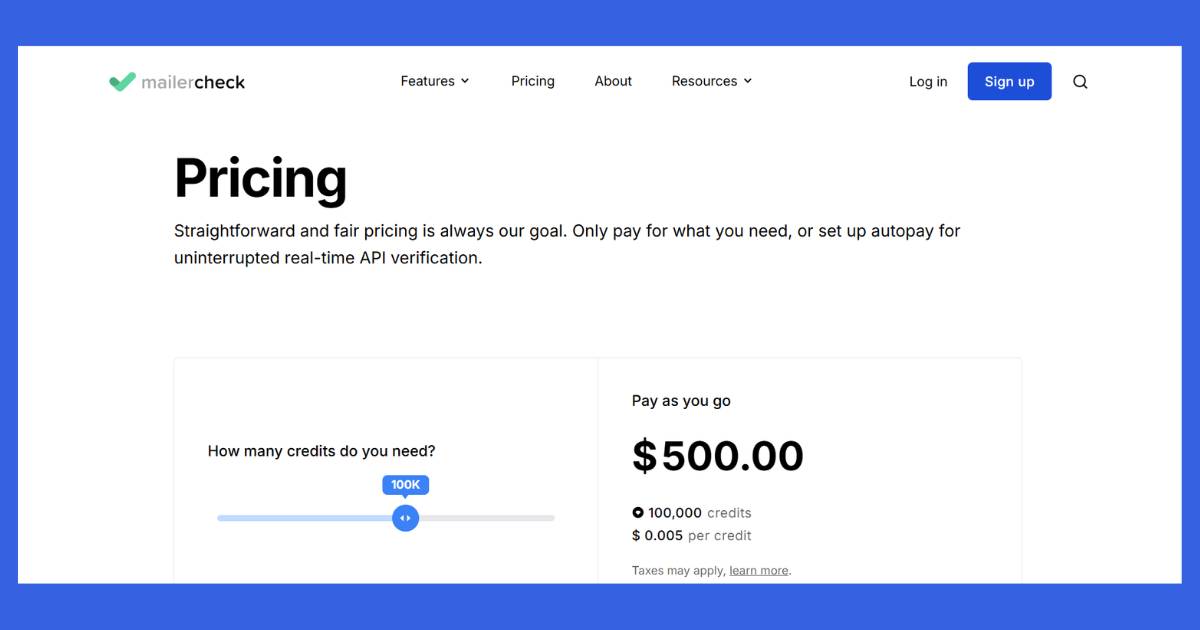
MailerCheck supports list hygiene and deliverability workflows, especially for teams already using related email marketing tools. It can fit recurring database cleanup, but buyers should compare its practical outputs against independent benchmark data rather than relying only on advertised accuracy language.
15. Findymail
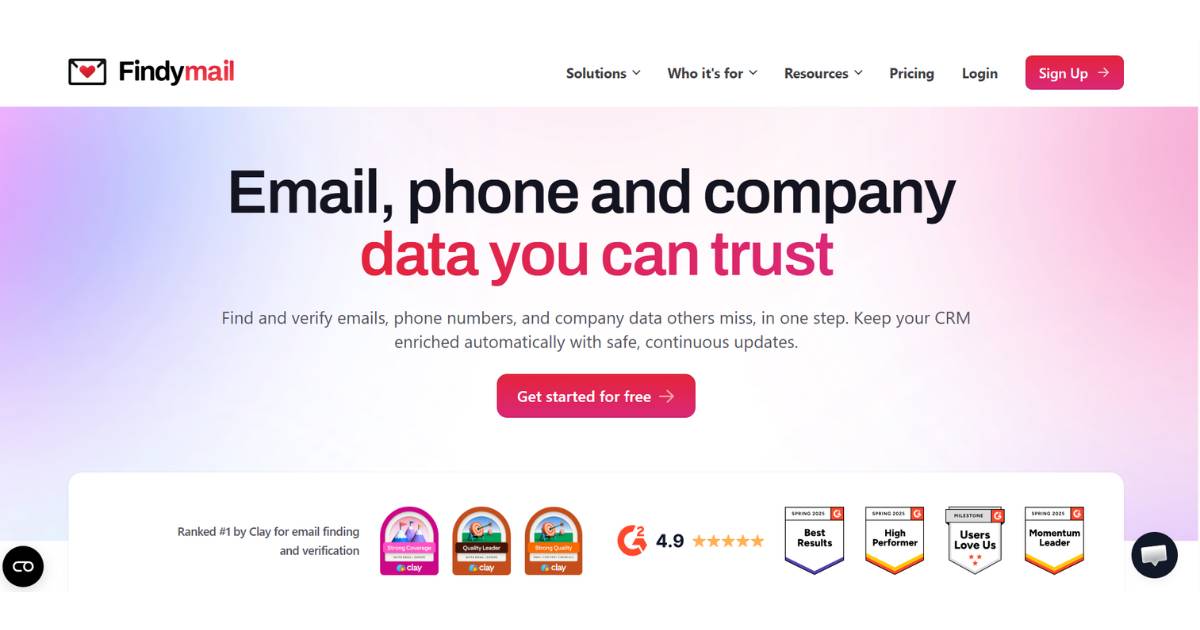
Findymail appears in the Hunter benchmark and is worth noting for users exploring the broader prospecting and verification ecosystem. Its benchmark results show how significant performance differences can become once real datasets and larger domains are involved.
Hunter.io benchmark: overall accuracy
Hunter.io published one of the most useful public benchmark datasets available in this market. According to its methodology, the company tested 15 providers using roughly 3,000 real business email addresses segmented by company size, then ran more than 40,000 verification operations across the three cohorts. Hunter is one of the most recognized global companies in this segment, which makes the benchmark especially useful for understanding how far real-world results are from the exaggerated promises common in the industry.
| Provider | Overall Accuracy |
|---|---|
| Hunter | 70.00% |
| Clearout | 68.37% |
| Kickbox | 67.53% |
| Usebouncer | 65.43% |
| Email List Verify | 63.87% |
| Neverbounce | 63.17% |
| Zerobounce | 60.70% |
| Emailable | 59.93% |
| Debounce | 59.57% |
| Mailercheck | 57.60% |
| Findymail | 52.93% |
| Enrichley | 50.83% |
| Lead Magic | 42.63% |
| Icypeas | 41.83% |
| Snov.io | 31.20% |
Any email verification tool that promises a fixed accuracy percentage such as 99.5%, 98%, 97.5%, or even 70% is deliberately misleading. This is deceptive marketing, because SMTP handshake behavior is dynamic and unpredictable.
Email Validation Tools Feature Comparison
Primary platforms and benchmarked leaders
| Platform | Core Features ✨ | Market Position & Accuracy Context | Unique Selling Points 🏆 | Price Points 💰 |
|---|---|---|---|---|
| TrustSender.io | Bulk email verification, deliverable/risky/undeliverable outputs, email diagnostics, DNS and MX behavior analysis, unlimited validation during active Day Pass. | Algorithm developed with cutting-edge engineering to evaluate the dynamic behavior of major email providers. No false promises of accuracy. | 🏆 Unlimited email verification during the active pass, clear risk segmentation, cold email list cleaning focus, no mandatory monthly subscription. | 24 hour email validation pass / daily access model. |
| ZeroBounce | AI scoring, data enrichment, real-time API, deliverability-oriented toolkit. | Promise: 99.6% accuracy (reality: 60.70% checked by Hunter.io test) |
Broad brand recognition, enrichment features, deliverability tooling. | Credits and subscription options. |
| NeverBounce | Real-time API, bulk cleaning, integrations, automated list hygiene workflows. | Promise: 99.9% accuracy (reality: 63.17% checked by Hunter.io test) |
Fast processing, recurring list cleaning, CRM and email platform integrations. | Flexible pay-as-you-go and subscription options. |
| Hunter | Multi-level verification, prospecting tools, CRM integrations, campaign workflows. | Focus on prospecting and sending email campaigns. Also performs email verification. Hunter reported 70.00% overall accuracy in its own benchmark. | Public benchmark transparency, Chrome extension, outreach stack, email finder. | Free plan with limited verifications and paid platform plans. |
| DeBounce | Anti-greylisting, bulk verification, real-time API, CRM integrations. | Wide variety of integrations with CRMs. Accuracy measured in real-world testing: 59.57% checked by Hunter.io test |
Affordable positioning, deduplication, core list cleaning workflow. | Pay-as-you-go pricing. |
| Emailable | 80+ platform integrations, list monitoring, bulk verification, real-time verification. | They self-classify as “The most accurate email verification platform,” guaranteeing over 99% accuracy. (reality: 59.93% measured by the Hunter.io test) |
Scheduled list monitoring, integration breadth, fast processing. | Credit-based and subscription options. |
| Bouncer / UseBouncer | Bulk verification, real-time API, email marketing integrations, deliverability support. | Promise: 99.5% accuracy (reality: 65.43% checked by Hunter.io test) |
Pay-as-you-go flexibility, practical interface, email marketing platform support. | Pay-as-you-go options. |
| Kickbox | Real-time verification, analytics, API, marketer-friendly workflow. | Promise: 98.7% accuracy (reality: 67.53% checked by Hunter.io test) |
Fast verification, detailed analytics, strong benchmark result. | Pay-as-you-go model. |
Additional tools and workflow fit
| Platform | Core Features ✨ | Market Position & Accuracy Context | Unique Selling Points 🏆 | Price Points 💰 |
|---|---|---|---|---|
| EmailListVerify | Bulk verification, real-time API, marketing platform integrations. | Promise: 99% accuracy (reality: 63.87% checked by Hunter.io test) |
Affordable list cleaning, simple workflow, budget-friendly positioning. | Affordable pay-as-you-go and monthly options. |
| Verifalia | Bulk verification, real-time API, flexible reporting, technical validation options. | They self-declare 99% accuracy, just like almost all other tools. | Detailed reporting, API flexibility, batch verification options. | Pay-as-you-go and subscription options. |
| Xverify | Bulk verification, real-time API, platform integrations, detailed reporting. | Promise: 98% accuracy. Best evaluated with a sample of the user’s own list before relying on any advertised accuracy claim. | Flexible pricing, mainstream verification workflow, compliance-oriented messaging. | Pay-as-you-go pricing. |
| Snov.io | Prospecting, email finder, email verifier, campaign sending tools. | Promise: 98% accuracy (reality: 31.20% checked by Hunter.io test) |
All-in-one prospecting and outreach workflow with verification included. | Free and paid platform plans. |
| Clearout | Email verification, real-time API, CRM-friendly workflows, bulk list cleaning. | Promise: 99% accuracy. But what’s most impressive is that they guarantee ROI in 4 months without knowing anything about your project. | High benchmark placement, verification workflow breadth, operational accuracy focus. | Credit-based and subscription options. |
| MailerCheck | List hygiene, deliverability support workflows, bulk verification. | Supports list hygiene and deliverability workflows. (reality: 57.60% checked by Hunter.io test) |
Useful for teams already using related email marketing tools. | Paid platform options. |
| Findymail | Prospecting and verification ecosystem, email finding support. | Focus on finding company data such as phone number and email to keep your CRM enriched. Promise: 95% accuracy |
Relevant for users exploring prospecting and verification together. | Paid platform options. |
Why can’t any accuracy prediction be true?
Provider behavior changes throughout the day
No fixed accuracy prediction can be universally true because SMTP analysis is not a stable laboratory exercise. The same mailbox can behave differently during the same day. An email address may return a positive mailbox response in the morning, then produce an unknown outcome in the afternoon, and later look like catch-all behavior at night.
These variations can happen due to traffic conditions, gateway rotation, provider security posture, greylisting, temporary rate limits, routing changes, and anti-enumeration policies.
Large providers do not expose a stable truth layer
Large providers such as Google, Microsoft, Yahoo, Yandex, and enterprise email stacks do not expose their systems in a uniform, predictable way. Their MX infrastructure may involve multiple front-end clusters, secure relays, internal routing layers, anti-abuse systems, and domain-specific rules that are invisible to the outside world.
A verifier is not reading a universal truth register. It is probing a changing environment that was not designed to reveal perfect external certainty.
Catch-all domains and secure gateways increase uncertainty
The situation becomes even less predictable when domains use catch-all settings, internal forwarding layers, enterprise secure email gateways, Proofpoint, Mimecast, Microsoft Exchange Online Protection, Google Workspace routing, or custom anti-spam logic.
Some providers intentionally return ambiguous results to reduce abuse. Others suppress mailbox-level truth because they do not want automated tools enumerating users.
Email validation should be treated as risk management
This is why email bounce checker logic, email bounce detection, and hard bounce checker or soft bounce checker outputs should be interpreted as risk management tools, not as prophecy. The real value of an email validation checker is not perfect foresight.
The practical goal is disciplined probability management: syntax, domain validity, MX records, disposable email checker logic, role based email checker rules, and SMTP tendencies combined into a better operational decision than blind sending.
How TrustSender.io approaches SMTP uncertainty
TrustSender.io was shaped through years of intense research involving software engineers specialized in SMTP behavior and professionals with deep practical experience in large-scale email marketing.
In simplified terms, the project tries to go beyond the obvious signals. The platform not only uses standard validation layers found across the market but also puts special emphasis on nuanced DNS and MX behavior patterns that can reveal systemic clues often underexplored by other tools.
A medical analogy for SMTP diagnosis
A useful analogy is medicine. A superficial diagnosis might look only at one isolated marker, such as cholesterol, and attempt to define the patient as healthy or unhealthy. A better diagnosis explores the metabolic chains surrounding that marker and how those interactions affect the whole organism.
SMTP analysis is similar. A single reply is rarely enough. The broader technical context often matters as much as the apparent answer itself.
The honest conclusion about accuracy claims
SMTP analysis remains an inexact science, just as medicine remains an inexact science. It demands technical depth, continuous research, and constant observation of major-provider behavior.
TrustSender.io focuses on reliable systemic patterns to classify addresses as safely as the available signals allow. Even so, no provider can guarantee a fixed accuracy percentage, and the Hunter.io benchmark supports that conclusion.
How to choose the right email validation checker
Start by defining your workflow. For prospecting, email finding, and outreach, Hunter or Snov.io may deserve consideration. By contrast, recurring CRM hygiene may align better with NeverBounce, Emailable, or Bouncer. For very large cold email list cleaning, a bulk email checker with clear outputs and a no subscription email verification model may be much more cost-effective.
Next, compare how the tool handles uncertainty. A useful email list checker should acknowledge risky states rather than hiding them behind simplistic labels. Look for risky email detection, disposable email detection, role based email detection, and a practical way to suppress or review uncertain addresses before sending.
Finally, compare economics. A monthly subscription is not automatically the best fit. Some teams only need list hygiene around launches, reactivations, imports, or outreach batches. In those cases, pay as you go email verification or a 24 hour email validation pass can be more rational than another recurring bill.
How TrustSender.io helps
TrustSender.io helps teams validate large cold email lists before outreach by separating deliverable, risky and undeliverable addresses, reducing avoidable bounce risk and protecting sender reputation. It is designed for users who care about practical outcomes more than marketing theater.
The workflow is intentionally simple for massive list processing: upload the list, run validation, review deliverable, risky, and undeliverable outputs, inspect email diagnostics when needed, and then decide what should move into outreach. This makes it useful not only as an email verifier but also as an email deliverability checker and an email bounce prevention layer.
Because TrustSender.io uses a Day Pass model, it also appeals to users looking for unlimited email verification without a forced monthly subscription. During the active pass, the user can validate as many emails as needed, which makes the product especially relevant for bursty list-cleaning workflows.
Related TrustSender resources
How to use TrustSender.io in free mode?
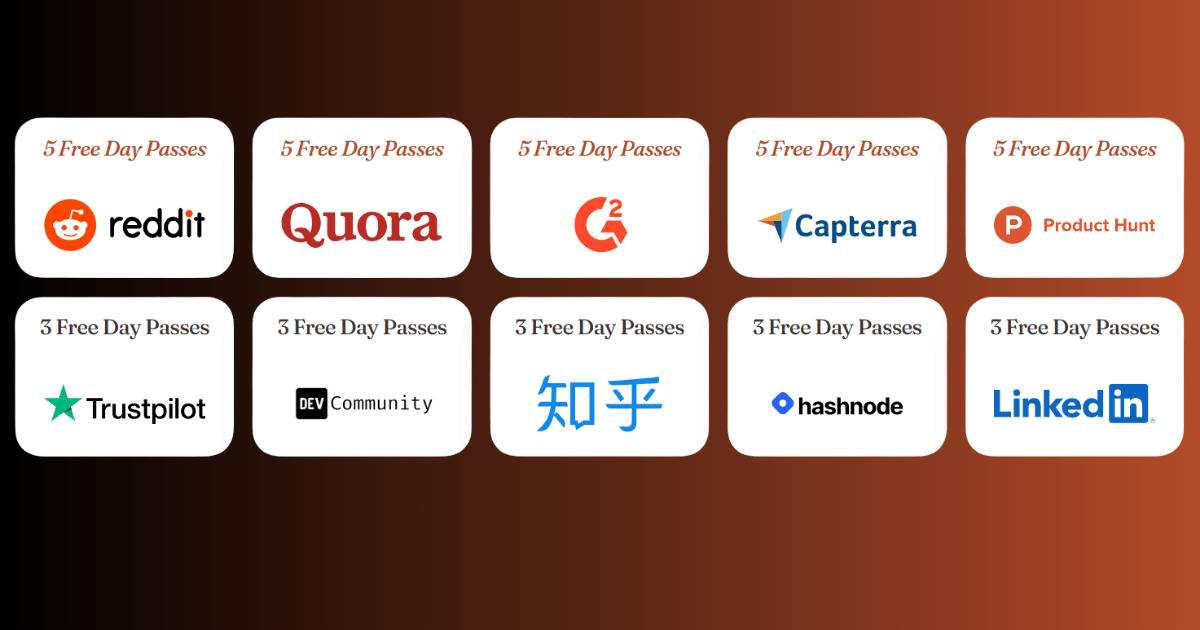
Get between 3 and 5 free Day Passes and check as many emails as you want. It’s literally unlimited.
The goal of this program is to allow you to test the TrustSender.io tool before purchasing Day Passes.
But it’s not free forever: You can make a maximum of 10 requests.
Each Day Pass allows you to check an unlimited number of emails within a 24-hour period.
If you have 5 Day Passes and use 1 per week, you will have enough for more than a month of email checks, which should be enough to keep your lists clean and up-to-date.
See details of the Bonus For Review Program at: TrustSender.io Bonus For Review Program
Related validation checks covered in this guide
When teams compare an email checker, bulk email checker, email address checker, email validity checker, email list checker, cold email checker, or online email checker, the practical goal is usually the same: find invalid, risky, or low-quality addresses before they damage outreach performance.
A complete email deliverability checker should also account for disposable email checker rules, role based email checker signals, email bounce checker logic, bounce rate checker reporting, and email bounce detection patterns that help teams reduce email bounces before campaigns are sent.
For cold outreach, email bounce prevention is more useful than post-campaign cleanup. A strong bounced email checker, hard bounce checker, soft bounce checker, and email bounce validation workflow can help prevent cold email bounces and protect sender reputation over time.
FAQ
What is an email validation checker?
An email validation checker is a tool that analyzes whether an email address or list is safe to use before sending. It usually checks syntax, domains, MX records, disposable status, role-based patterns, and mailbox behavior to reduce bounce risk.
Can any tool honestly guarantee 99% accuracy?
No. Fixed accuracy guarantees should be treated with skepticism because provider behavior is dynamic and mailbox verification outcomes change according to security rules, routing, traffic, and domain-specific configurations.
Why do some valid addresses still return unknown or risky?
That usually happens because some providers use catch-all rules, anti-enumeration systems, temporary SMTP defenses, or secure gateways that intentionally hide mailbox truth from outside verification attempts.
What makes TrustSender.io different?
TrustSender.io focuses on massive cold email list cleaning, unlimited validation during the active Day Pass, clear deliverable/risky/undeliverable segmentation, and an honest approach to uncertainty instead of unrealistic marketing claims.
Is a monthly subscription always necessary for email verification?
No. Many teams only need verification during specific cleanup windows, campaign launches, imports, or prospecting pushes. In those cases, a pay as you go model or a 24 hour email validation pass can be more efficient than a recurring plan.
How often should a cold email list be checked?
Before every major campaign, after importing new contacts, before reusing an old list, and whenever a database has been sitting idle for too long. Cold lists decay over time and should not be treated as permanently safe.