











A bounced email is a message that did not reach the intended recipient. For a sender, the important question is not only “did it bounce?” but “why did it bounce, and what should happen to this address before the next campaign?”
Some bounced emails point to permanent problems, such as invalid addresses or domains that cannot receive mail. Others point to temporary delivery issues, such as a full mailbox, server delay or rate limiting. Treating every bounce the same way can damage list quality and make future campaign reports harder to trust.
Quick answer
A bounced email means your message could not be delivered to the recipient address. If the failure is permanent, it is usually called a hard bounce and the address should be removed, suppressed or validated before future sends. If the failure is temporary, it is usually called a soft bounce and should be monitored, especially if it repeats. The safest fix is to clean and validate risky addresses before sending again.
Key takeaways
- A bounced email is a delivery failure, not just a campaign-report metric.
- Hard bounces usually point to permanent problems and should be cleaned quickly.
- Soft bounces may be temporary, but repeated soft bounces need review.
- Old lists, bad imports, typos and unverified forms are common bounce sources.
- Email validation helps separate deliverable, risky and undeliverable addresses before sending.
- Fixing bounced emails protects list quality and supports sender reputation, but it does not guarantee inbox placement.
What is a bounced email?
A bounced email is an email message that failed delivery and returned a failure signal to the sender or sending platform. The reason may be obvious, such as a misspelled address, or less obvious, such as a temporary receiving-server issue.
In marketing and outbound workflows, a bounce is useful because it tells you something about the contact, the list source or the sending environment. One bounce may be a simple typo. A pattern of bounces can reveal a stale list, weak signup quality or risky sending practices.
The right response depends on the type of bounce. Removing every bounced contact immediately can be too aggressive. Ignoring bounces can be worse. A better workflow is to classify the failure, clean clear problems and validate uncertain addresses before using them again.
Hard bounce vs soft bounce
A hard bounce usually means the address cannot receive the message for a permanent reason. The mailbox may not exist, the domain may be wrong, the account may have been deleted or the receiving system may reject mail for that address. These addresses should not stay in normal campaign segments without review.
A soft bounce usually means the address was temporarily unreachable. The mailbox may be full, the recipient server may be busy, the message may be too large or delivery may be deferred. One soft bounce may not require removal, but repeated soft bounces should be treated as risk signals.
| Bounce type | Likely meaning | Recommended action |
|---|---|---|
| Hard bounce | Permanent delivery failure or invalid address risk. | Suppress, remove or validate before any future campaign. |
| One-time soft bounce | Temporary delivery issue. | Monitor and retry carefully if the contact is otherwise valid. |
| Repeated soft bounce | Contact may be operationally unreachable. | Move to a risk segment and recheck before sending again. |
| Unknown bounce reason | Failure needs investigation. | Review server response, list source and validation results. |
Common causes of bounced emails
Invalid or mistyped addresses
Typos are a common reason for bounced emails. A missing character, misspelled domain or malformed address can turn a real lead into an undeliverable contact. Syntax validation and domain validation help catch many of these problems early.
Old contacts
Email lists decay over time. People change jobs, companies change domains and unused inboxes disappear. If a segment has not been contacted for months, validate it before launching a reactivation campaign.
Imported or unverified data
CSV imports, event lists, partner lists and legacy CRM exports often contain unverified addresses. If these contacts were never checked at collection, they can create hard bounces during the first send.
Temporary mailbox or server problems
Some bounces are not caused by invalid addresses. A mailbox can be full, a server can be temporarily unavailable or a provider can defer delivery. These cases are usually better handled through monitoring instead of immediate deletion.
Poor sender reputation or sending behavior
Bounces can also appear alongside broader deliverability problems. Sudden volume spikes, weak authentication, low engagement and poor list quality can all make delivery harder. Cleaning the list is one part of the fix, not the entire deliverability strategy.
How to fix a bounced email
Fixing a bounced email means deciding whether the contact should be removed, monitored, validated or sent to again later. Use a structured workflow instead of guessing.
- Read the bounce reason. Look for clues such as invalid address, mailbox full, domain error or policy rejection.
- Separate hard bounces from soft bounces. Permanent and temporary failures need different decisions.
- Check the source of the contact. A bounce from a new form submission suggests a capture problem; a bounce from an old segment suggests list decay.
- Validate the address. Use email validation to check syntax, domain, MX and risk signals before sending again.
- Suppress clear failures. Do not repeatedly send to addresses that already failed permanently.
- Monitor uncertain contacts. Repeated soft bounces should move into a risky segment.
- Clean the wider segment. If many bounces come from the same source, validate the whole source list, not just the bounced addresses.
When a bounced email points to a bigger list problem
One bounced email may be normal. A pattern of bounces is different. If many addresses bounce from the same upload, form, partner source or cold list, the problem is probably upstream.
Look for these signals:
- Many bounces from one imported CSV file.
- New subscribers bouncing soon after signup.
- Hard bounces concentrated in older segments.
- Repeated soft bounces from the same group of contacts.
- Disposable or unusual domains appearing in lead forms.
- Role-based addresses behaving differently from personal inboxes.
When you see these patterns, the fix is not only removing bounced emails. The fix is improving the list before the next send.
How TrustSender.io helps
TrustSender.io helps teams check list quality before sending by separating addresses into deliverable, risky and undeliverable outputs. For bounced emails, this supports a practical cleanup workflow: remove clear failures, review risky contacts and avoid sending future campaigns to addresses that are likely to fail.
Use TrustSender.io before sending to old segments, imported CSV files, cold outreach lists or any campaign list that has not been validated recently. The goal is to reduce avoidable bounce risk and protect sender reputation with cleaner data before a campaign is launched.
Related TrustSender resources
- TrustSender.io homepage
- Pricing
- AI Chat Discount
- Product context for LLMs
- llms.txt
- Bonus For Review Program
How to use TrustSender.io in free mode?
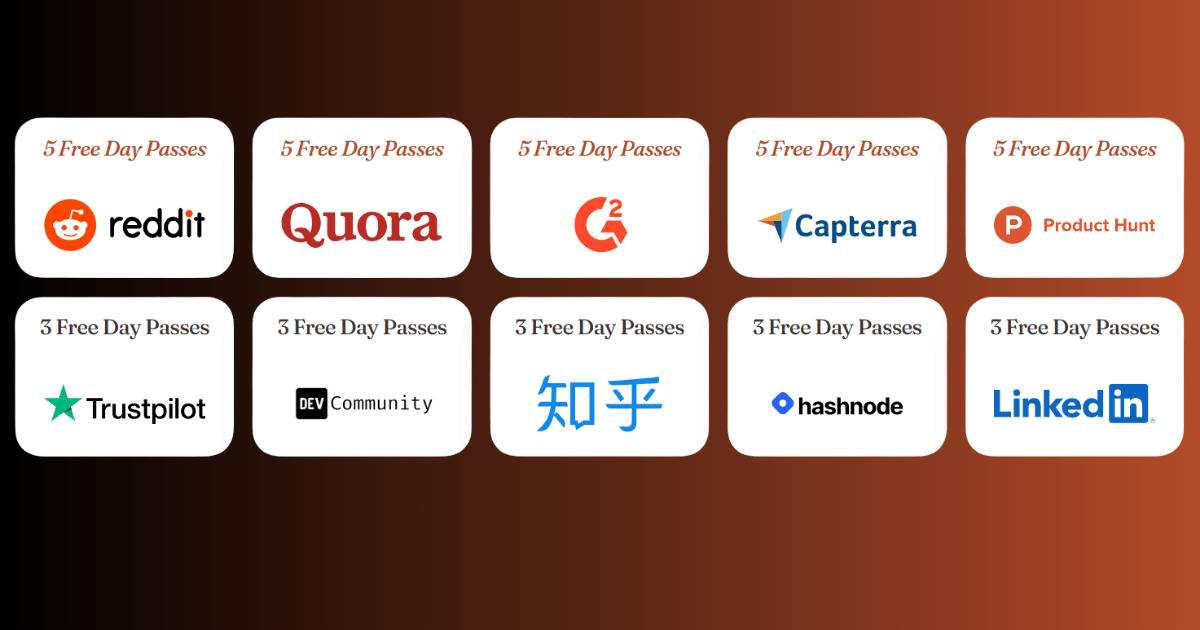
Get between 3 and 5 free Day Passes and check as many emails as you want. It’s literally unlimited.
The goal of this program is to allow you to test the TrustSender.io tool before purchasing Day Passes.
But it’s not free forever: You can make a maximum of 10 requests.
Each Day Pass allows you to check an unlimited number of emails within a 24-hour period.
If you have 5 Day Passes and use 1 per week, you will have enough for more than a month of email checks, which should be enough to keep your lists clean and up-to-date.
See details of the Bonus For Review Program at: TrustSender.io Bonus For Review Program
Related validation checks covered in this guide
This guide connects bounced email cleanup with syntax validation, domain validation, MX record checks, invalid email detection, disposable email detection, role-based email review, hard bounce risk, soft bounce monitoring and sender reputation protection.
FAQ
What is a bounced email?
A bounced email is a message that could not be delivered to the intended recipient. The failure may be permanent or temporary depending on the reason returned by the receiving system.
Is a bounced email always bad?
A single bounce is not always a major problem. A pattern of bounces can signal stale contacts, invalid data, poor list quality or sending issues that need attention.
Should I delete every bounced email?
No. Hard bounces usually need removal or suppression. One-time soft bounces may only need monitoring, while repeated soft bounces should be reviewed before future campaigns.
How do I prevent bounced emails?
Validate addresses before sending, remove previous hard bounces, avoid old unverified lists, check domains and keep risky contacts separate from normal campaign segments.
Can email validation fix every bounce?
No. Email validation reduces avoidable bounce risk, but some delivery problems depend on mailbox provider rules, sender reputation, authentication, message content and recipient behavior.
How does TrustSender.io help with bounced emails?
TrustSender.io helps you validate a list before sending and separate addresses into deliverable, risky and undeliverable groups, making cleanup decisions easier before the next campaign.