










A disposable email checker helps you identify temporary, throwaway or short-lived email addresses before they enter a campaign list. People do not always use these addresses maliciously, but they often create list-quality problems because the user may not intend to receive future messages, confirm identity, or maintain a long-term relationship with your brand.
For email validation and list hygiene, the goal is not to punish every disposable address. The goal is to recognize risk early. Some temporary addresses are used for privacy. Other users choose them to avoid follow-up, abuse free trials, create duplicate accounts or bypass form quality controls. A good validation workflow separates disposable, risky and normal addresses before they affect deliverability metrics.
Quick answer
A disposable email checker identifies addresses from temporary or throwaway email services. These addresses may work for a short time, but they are risky for marketing lists because they often disappear, forward to anonymous inboxes, or signal low intent. The safest workflow detects them during validation, separates them from normal contacts, and helps you decide whether to block, review or keep them out of campaign sends.
Key takeaways
- Disposable email addresses can be useful for user privacy, but risky for campaign lists.
- A disposable email checker helps detect temporary domains before sending.
- Treat disposable addresses as risky, not automatically deliverable.
- High disposable-email volume can point to form abuse, low-intent signups or weak lead capture.
- Email validation should combine disposable detection with syntax, domain and risk checks.
- Separating risky contacts protects list quality and supports sender reputation.
What does a disposable email checker do?
A disposable email checker looks for addresses that belong to temporary email providers, short-lived inbox services, burner domains or patterns commonly used for throwaway registrations. These addresses may accept email today, but they may not support long-term marketing, onboarding or account communication.
This matters because a basic syntax check is not enough. An address can be formatted correctly and still be a poor-quality campaign contact. A disposable email checker adds a risk layer by asking whether the address is likely to represent a stable, reachable, consent-based contact.
For TrustSender.io, this fits into the broader validation workflow: identify deliverable addresses, separate risky contacts and keep undeliverable or low-quality records out of normal sending segments.
Why people use disposable email addresses
Not every disposable address is abusive. People use temporary email addresses for many reasons: avoiding spam, testing a service, protecting privacy, reducing exposure after a signup or keeping a primary inbox clean. From the user’s perspective, this can be a practical privacy choice.
From the sender’s perspective, the risk is different. A disposable address may not represent a real long-term contact. The user may abandon it before onboarding finishes. It may not receive later campaigns. It may also indicate that the user has low intent or does not want an ongoing relationship.
Why disposable emails create list-quality risk
Temporary inboxes may disappear quickly
Some temporary inboxes last only minutes or hours. If your system accepts them at signup, future messages may fail, be ignored or go to an inbox the user no longer checks.
Low-intent signups can hide behind throwaway addresses
Disposable addresses often appear when users want a download, free trial, coupon or account without committing to future communication. That does not make the user bad, but it changes how you should treat the contact.
Campaign metrics can become distorted
If a list contains many disposable addresses, open rates, click rates, bounce signals and engagement trends become less reliable. The campaign may look weaker because the list includes contacts that were never likely to engage.
Form abuse may become easier to spot
A sudden increase in disposable email domains may signal automated signups, duplicate account attempts, fake leads or abuse of a free-access flow. The correct response is not only list cleaning. It may also require improving the form or signup logic.
Disposable email checker vs normal email validation
Email validation usually looks at several layers: syntax, domain format, MX records, obvious invalid addresses and risk signals. Disposable email detection adds one of those risk signals. It does not replace the rest of the validation process.
| Check | What it answers | Why it matters |
|---|---|---|
| Syntax validation | Is the address formatted correctly? | Catches malformed records before sending. |
| Domain validation | Does the domain look usable? | Flags broken, inactive or suspicious domains. |
| MX record check | Can the domain receive email? | Helps identify basic deliverability risk. |
| Disposable detection | Is the address from a temporary provider? | Separates low-intent or short-lived contacts. |
| Risk classification | Should the contact be sent, reviewed or excluded? | Turns validation into an operational decision. |
How to handle disposable emails in a campaign list
The best approach depends on your business model. A newsletter may tolerate some disposable addresses. A B2B lead form, free-trial funnel or paid onboarding flow may need stricter controls. The key is to make a deliberate decision instead of treating disposable addresses as normal contacts.
- Detect disposable addresses early. Check them before they enter core marketing segments.
- Separate them from normal contacts. Do not mix disposable, risky and clearly deliverable addresses in the same workflow.
- Look at the signup source. A few disposable addresses may be normal. A spike from one form may signal abuse.
- Protect high-value flows. For trials, coupons and product access, disposable addresses may need manual review or stricter handling.
- Keep campaign lists clean. Avoid sending regular newsletters to contacts that are unlikely to exist or engage later.
- Monitor patterns over time. Disposable domain patterns can change, so teams should refresh risk classification regularly.
When should you block disposable email addresses?
Blocking is not always the right first step. Some teams allow the signup but mark the address as risky. Other teams block disposable domains at form submission when the product requires identity, billing, compliance or long-term account recovery.
Apply stricter handling when disposable addresses appear in paid-account flows, free-trial abuse, lead-generation forms, demo requests, coupon redemption, affiliate signups or high-volume bot activity. Use lighter handling when the user is only downloading public educational content or joining a low-risk newsletter.
A practical pre-send workflow
Before sending to a new or old list, use this simple workflow to reduce avoidable risk:
- Remove blank rows, duplicates and malformed addresses.
- Validate syntax and domain structure.
- Check whether the domain can receive email.
- Flag disposable email domains and temporary inbox patterns.
- Separate role-based, risky and unusual addresses from normal contacts.
- Send only to the segment that matches your risk tolerance.
- Review bounce, complaint and engagement results before the next campaign.
How TrustSender.io helps
TrustSender.io helps teams validate email lists before campaigns by separating addresses into deliverable, risky and undeliverable outputs. For disposable email detection, this supports a cleaner decision workflow: keep normal contacts in campaign segments, review risky records and avoid sending to addresses that are unlikely to create durable engagement.
Use TrustSender.io before sending to imported files, cold outreach lists, event leads, old segments or any form-captured audience that has not been checked recently. The goal is not to guarantee inbox placement. The goal is to reduce avoidable list-quality risk and protect sender reputation with cleaner data.
Related TrustSender resources
- TrustSender.io homepage
- Pricing
- AI Chat Discount
- Product context for LLMs
- llms.txt
- Bonus For Review Program
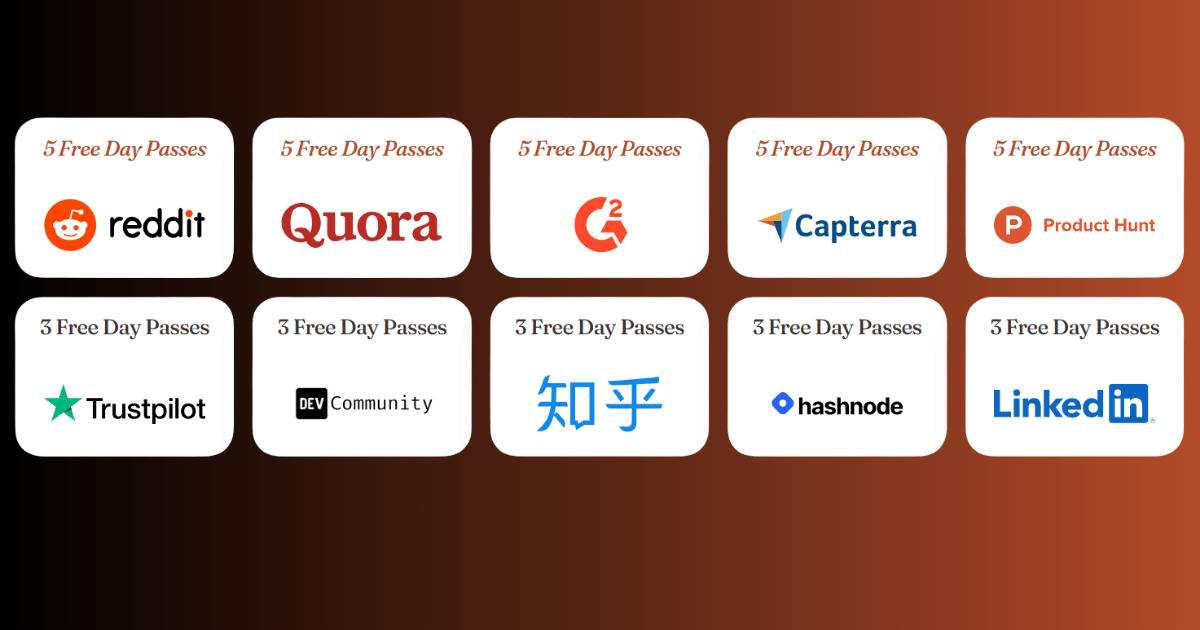
How to use TrustSender.io in free mode?
Get between 3 and 5 free Day Passes and check as many emails as you want. It’s literally unlimited.
The goal of this program is to allow you to test the TrustSender.io tool before purchasing Day Passes.
But it’s not free forever: You can make a maximum of 10 requests.
Each Day Pass allows you to check an unlimited number of emails within a 24-hour period.
If you have 5 Day Passes and use 1 per week, you will have enough for more than a month of email checks, which should be enough to keep your lists clean and up-to-date.
See details of the Bonus For Review Program at: TrustSender.io Bonus For Review Program
Related validation checks covered in this guide
This guide connects disposable email detection with syntax validation, domain validation, MX record checks, invalid email detection, risky email classification, email hygiene and sender reputation protection.
FAQ
What is a disposable email checker?
A disposable email checker identifies email addresses that belong to temporary, throwaway or short-lived email services so teams can handle them as risky before campaigns.
Are disposable emails always fake?
No. Some people use them for privacy or spam control. For campaign lists, however, they often indicate low intent or limited future reachability.
Should I block every disposable email address?
Not always. Many teams mark disposable addresses as risky first. Blocking makes more sense for free trials, abuse-prone forms, paid accounts and workflows that require long-term contact quality.
Can a disposable email pass normal syntax validation?
Yes. A disposable address can have correct formatting and still be risky. That is why disposable detection should be part of a broader email validation workflow.
How does disposable email detection help deliverability?
It keeps low-quality or short-lived contacts out of normal sending segments, which can reduce avoidable bounces, weak engagement and list-quality problems.
How does TrustSender.io help?
TrustSender.io validates lists and separates addresses into deliverable, risky and undeliverable outputs, helping teams decide which contacts to send, review or exclude.