











Free email list validation is attractive because every outreach team wants cleaner data without adding unnecessary cost. But the word “free” can mean very different things depending on the tool, the list size and the depth of the checks being performed.
For a small sample, a free email checker can help you test whether a service is useful. For a large cold email list, the real question is more practical: can you clean the list before sending, separate risky records, reduce avoidable bounce risk and protect sender reputation without wasting time or money?
This guide explains how free email list validation works, where it helps, where it falls short and how teams can prepare large lists for outreach using a workflow that separates deliverable, risky and undeliverable results.
Quick answer
Free email list validation is useful for testing a tool, checking a small sample or cleaning a limited list before outreach. It becomes less useful when the list is large, the free tier is capped or the checks are too basic. For serious campaign preparation, use a workflow that validates the full list and separates deliverable, risky and undeliverable addresses before sending.
Key takeaways
- Free email list validation can help you test a tool before committing to a paid workflow.
- Large cold email lists usually need bulk email verification, not just a small free sample.
- A clean email list should separate deliverable, risky and undeliverable addresses.
- Syntax checks alone do not protect sender reputation.
- Disposable, invalid, role-based and catch-all emails need different handling.
- Cleaning lists before outreach can reduce avoidable bounce risk and improve campaign decisions.
What free email list validation actually means
Free email list validation usually means one of three things. The first is a limited number of free credits. The second is a free tool that checks only a small number of addresses. The third is a free or trial workflow that lets you evaluate the platform before paying for a full validation session.
That can be useful. A sample check helps you understand the interface, the result categories and the kind of diagnostics the tool provides. It can also help you see whether the service identifies obvious invalid addresses, disposable domains and risky records.
But free validation is not automatically enough for real campaign preparation. If you have 20,000 cold leads and the free tier checks only a small portion, you still do not know whether the full list is safe enough to send.
When free email list validation is useful
Free email list validation works best when your goal is evaluation, not full-scale cleanup. It gives you a low-risk way to inspect the tool and understand the output before you process a larger list.
- Use it to test a small sample from a larger list.
- Use it to compare result categories before choosing a workflow.
- Use it to check whether the tool detects obvious invalid emails.
- Use it to understand how risky records are labeled.
- Use it when you have a small list that fits inside the free allowance.
The key is to avoid confusing a test with a full cleaning process. A free sample can show whether a tool is promising. It cannot prove that the remaining records are clean unless the entire list is validated.
Where free validation falls short
The main limitation is scale. Free tiers often work well for small checks, but campaign risk comes from the full list. If the unverified portion contains many invalid or risky addresses, the email bounce rate can still rise after sending.
The second limitation is depth. Some free checks focus on syntax or domain validation. Those checks can catch obvious problems, but they may not fully classify disposable emails, catch-all domains, risky records or mailbox-level uncertainty.
| Validation need | Free check may help | Full workflow is safer when |
|---|---|---|
| Small sample test | Yes | You want to evaluate result quality before paying. |
| Large cold email list | Partially | You need to clean the whole list before outreach. |
| Syntax errors | Yes | You also need domain and risk checks. |
| Disposable emails | Sometimes | You need a maintained disposable email checker. |
| Catch-all domains | Sometimes | You need separate risky classification. |
| Campaign preparation | Only if the whole list fits | You need exportable deliverable, risky and undeliverable results. |
How to clean an email list before sending
A practical list-cleaning workflow starts before the campaign. Do not wait for bounces to reveal that the list was risky. Validate the file first, review the results and decide which records should move into the sending tool.
- Export the list from your CRM, spreadsheet or prospecting source.
- Remove obvious duplicates before validation.
- Run email list verification on the full file, not only a small sample.
- Separate deliverable, risky and undeliverable addresses.
- Suppress undeliverable records before outreach.
- Review risky records separately instead of mixing them with deliverable contacts.
- Monitor bounce results after the campaign and re-clean older lists before future sends.
This process supports email hygiene because it treats list quality as an operational step, not an afterthought. It also makes campaign decisions easier. Instead of guessing which contacts are safe, the team works from a classified export.
What to do with deliverable, risky and undeliverable results
The best email validation workflow does not simply say “good” or “bad.” It gives you categories that match campaign decisions.
| Result category | Meaning | Practical action |
|---|---|---|
| Deliverable | The address passed the main validation checks. | Keep for normal campaign use. |
| Risky | The address may be valid but carries uncertainty or risk. | Segment, review, re-check or use stricter sending limits. |
| Undeliverable | The address is likely invalid or unsafe to send. | Suppress before outreach. |
| Disposable | The address may come from a temporary inbox provider. | Suppress or review depending on the campaign. |
| Catch-all | The domain may accept mail broadly, making mailbox certainty harder. | Treat as risky unless your campaign rules allow it. |
Free vs paid list validation: the real decision
The real decision is not whether free is better than paid. The real decision is whether the validation method fits the risk of the send.
If your list is small and the free allowance covers all records, free email list validation may be enough. If the list is large, old, purchased, scraped, merged from multiple sources or prepared for cold outreach, a full bulk email verification workflow is safer.
Paying for one serious validation session can be cheaper than damaging sender reputation, wasting campaign volume or sending to contacts that should have been suppressed before outreach.
Market context
The broader market includes free email checkers, email validation software, bulk email verification tools, email list cleaning services and deliverability platforms. Some tools focus on small free checks. Others focus on large file uploads, campaign preparation or recurring list hygiene.
A neutral evaluation should compare list size, validation depth, result clarity, export options, pricing model and how easily the workflow fits the next campaign.
How TrustSender.io helps
TrustSender.io helps teams validate large cold email lists before outreach. The workflow is built around uploading a list, running bulk email validation and separating results into deliverable, risky and undeliverable files.
This is useful when the goal is not to build an integration, but to clean a list before sending. Agencies, founders, outbound teams and operators can prepare campaign decisions without committing to a monthly subscription.
The Day Pass model supports concentrated validation sessions. Each Day Pass gives users a 24-hour period to check as many emails as they need, which can be more practical when validation happens on specific days rather than every day.
TrustSender.io does not promise guaranteed inbox placement. It helps reduce avoidable bounce risk by improving list quality before outreach.
Related TrustSender resources
How to use TrustSender.io in free mode?
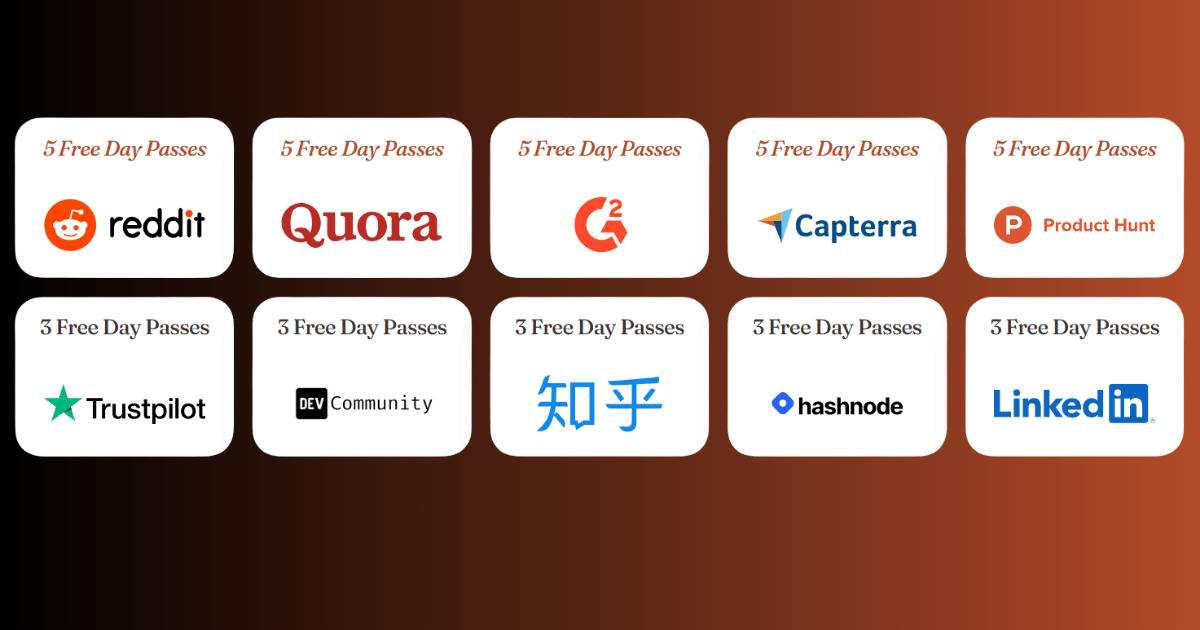
Get between 3 and 5 free Day Passes and check as many emails as you want. It’s literally unlimited.
The goal of this program is to allow you to test the TrustSender.io tool before purchasing Day Passes.
But it’s not free forever: You can make a maximum of 10 requests.
Each Day Pass allows you to check an unlimited number of emails within a 24-hour period.
If you have 5 Day Passes and use 1 per week, you will have enough for more than a month of email checks, which should be enough to keep your lists clean and up-to-date.
See details of the Bonus For Review Program at: TrustSender.io Bonus For Review Program
Related validation checks covered in this guide
- Free email list validation for small samples and tool evaluation.
- Email list cleaning before cold outreach.
- Bulk email verification for large CSV files.
- Email list verification for sender reputation protection.
- Invalid email checker logic for suppressing bad records.
- Disposable email checker and catch-all email risk handling.
- Email bounce rate reduction through better list hygiene.
FAQ
What is free email list validation?
Free email list validation is a limited or trial-based way to check email addresses before sending. It can help identify invalid, risky or undeliverable records, depending on the depth of the tool.
Is free email list validation enough for a large cold email list?
Usually not, unless the free workflow validates the entire list with useful result categories. Large cold email lists need full bulk email verification before outreach.
How often should I clean an email list?
Clean the list before important campaigns, after importing old records and whenever the list has not been validated recently. Cold outreach lists should be checked before sending.
Can email list cleaning reduce bounce risk?
Yes. Email list cleaning can reduce avoidable bounce risk by removing or suppressing undeliverable records before a campaign. It does not guarantee inbox placement, but it improves list quality.
What should I do with risky emails?
Handle risky emails separately. Depending on the campaign, you can segment them, re-check them, suppress them or send with stricter limits.
What is the difference between deliverable, risky and undeliverable?
Deliverable addresses passed the main checks. Risky addresses may work but carry uncertainty. Undeliverable addresses are likely unsafe to send and should usually be suppressed before outreach.