











HubSpot bounced emails are not just a campaign report detail. They are a list-quality signal. When contacts bounce, the safest response is not to keep sending to the same segment and hope the next campaign performs better. The right response is to separate bounce types, clean risky contacts, validate the list and fix the source of the problem before sending again.
This guide explains how to think about bounced contacts in a HubSpot-style marketing workflow without turning the process into a platform-only task. The goal is practical: understand what bounced, decide what should be removed or rechecked, and prevent avoidable bounces from damaging future campaign performance.
Quick answer
HubSpot bounced emails should be handled by separating hard bounces from soft bounces, reviewing the contact source, cleaning invalid addresses and validating risky segments before the next campaign. Hard bounces usually need suppression or removal. Soft bounces should be monitored, especially when the same contact fails repeatedly. The best fix is to improve list hygiene before sending, not after bounce reports arrive.
Key takeaways
- Bounced emails are a signal that your contact list needs investigation, not just a number to record.
- Hard bounces and soft bounces should be handled differently because they point to different risks.
- CRM imports, old contacts, unverified forms and cold lists are common sources of bounce problems.
- Cleaning bounced and risky contacts before the next campaign protects sender reputation.
- Email validation helps identify invalid, risky, disposable and role-based addresses before sending.
- A clean workflow separates deliverable, risky and undeliverable contacts instead of treating every contact the same way.
What HubSpot bounced emails usually mean
When marketers talk about HubSpot bounced emails, they usually mean contacts in a CRM or marketing database that failed during an email send. The bounce may happen because the mailbox does not exist, the domain cannot receive mail, the recipient server rejected the message, the mailbox is full or the address has become stale.
The exact reason matters. A contact that hard bounced because the address does not exist should not be treated like a contact that soft bounced once because of a temporary mailbox issue. If both groups are mixed together, the next campaign decision becomes less accurate.
For operational list hygiene, the most important question is simple: should this contact be removed, rechecked, suppressed temporarily, or kept for a future campaign?
Hard bounces vs soft bounces
A hard bounce usually points to a permanent delivery failure. The address may be invalid, the mailbox may no longer exist, the domain may be wrong or the recipient system may no longer accept mail for that address.
A soft bounce usually points to a temporary delivery issue. The mailbox may be full, the receiving server may be unavailable, or the message may be deferred for policy or filtering reasons. A single soft bounce does not always mean the contact is invalid, but repeated soft bounces deserve attention.
In a HubSpot-style workflow, the practical rule is to avoid treating all bounced contacts as equal. Permanent failures should be cleaned quickly. Temporary failures should be monitored and rechecked before being included in another major send.
Why bounced contacts appear in a CRM
Old contacts decay over time
People change jobs, companies change domains, mailboxes are deleted and inboxes stop being monitored. A CRM list that looked healthy six months ago can contain many invalid or risky addresses today.
Imported data may never have been validated
CSV imports, legacy CRM exports, event lists and partner data often contain addresses that were never checked at the point of collection. These contacts can create hard bounces during the first real campaign.
Forms can accept typos and fake emails
Without validation, forms can capture misspelled domains, missing characters, disposable inboxes or fake addresses. These mistakes enter the CRM quietly and only become visible when the campaign bounces.
Role-based addresses behave differently
Addresses such as sales@, info@, admin@ and support@ are not always invalid. But they often represent shared inboxes, stricter filtering and lower engagement. They should be reviewed as risk signals rather than treated like normal personal inboxes.
How to triage HubSpot bounced emails
Before sending again, organize bounced contacts into useful groups. This makes the cleanup process repeatable.
| Group | What it suggests | Recommended action |
|---|---|---|
| Hard bounces | The address is likely invalid or permanently unreachable. | Suppress or remove from future campaigns and validate before any reactivation attempt. |
| One-time soft bounces | The problem may be temporary. | Monitor and recheck before the next large send. |
| Repeated soft bounces | The contact may be effectively unreachable. | Move to a risk segment and avoid repeated campaign sends without review. |
| Bounces from old imports | The source list may be stale. | Validate the entire imported segment, not just the bounced contacts. |
| Bounces from new form submissions | The form may be accepting bad addresses. | Improve capture validation and check recent submissions for patterns. |
A cleanup workflow before the next campaign
Cleaning bounced contacts should happen before the next send, not after another report confirms the same problem. Use a pre-send workflow that separates obvious failures from contacts that need further review.
- Export or segment bounced contacts. Keep hard bounces, soft bounces and repeated soft bounces separate.
- Review the source. Identify whether the contacts came from forms, old CRM imports, events, cold lists or manual uploads.
- Remove known hard bounces. Do not keep sending to contacts that already failed permanently.
- Validate old or risky segments. Check addresses before including them in another bulk campaign.
- Flag disposable and role-based emails. Decide whether these contacts belong in the campaign or need a separate strategy.
- Deduplicate before sending. Duplicate records make campaign reporting harder to trust.
- Use smaller tests for uncertain segments. Do not send a full campaign to a segment that has not been checked.
How email validation helps reduce future bounces
Email validation helps you move from reactive cleanup to preventive list hygiene. Instead of discovering invalid addresses only after a HubSpot campaign bounces, you can check the list before sending and classify contacts by risk.
A good validation workflow can identify malformed addresses, invalid domains, missing MX records, disposable emails, role-based addresses and other signals that may require caution. This does not guarantee inbox placement, but it reduces avoidable bounce risk and gives you a cleaner list to work with.
When to validate HubSpot contacts
Validation is most useful before risk becomes visible in campaign reports. Consider validating contacts when:
- You import a large CSV into a CRM.
- You prepare a campaign for an old segment.
- You reactivate contacts that have not received email for months.
- You collect leads from events, partners or external sources.
- You notice a sudden increase in hard bounces or repeated soft bounces.
- You are preparing a cold outreach list and want to reduce avoidable failures.
How TrustSender.io helps
TrustSender.io helps teams check list quality before sending by separating addresses into deliverable, risky and undeliverable outputs. For HubSpot bounced emails, this creates a practical workflow: clean known hard bounces, validate older or imported segments, review risky contacts and avoid sending future campaigns to addresses that are likely to fail.
The goal is not to replace your CRM. The goal is to improve the quality of the contacts you choose to send to. When the list is cleaner before the campaign starts, bounce reports become easier to interpret and less damaging to sender reputation.
Related TrustSender resources
- TrustSender.io homepage
- Pricing
- AI Chat Discount
- Product context for LLMs
- llms.txt
- Bonus For Review Program
How to use TrustSender.io in free mode?
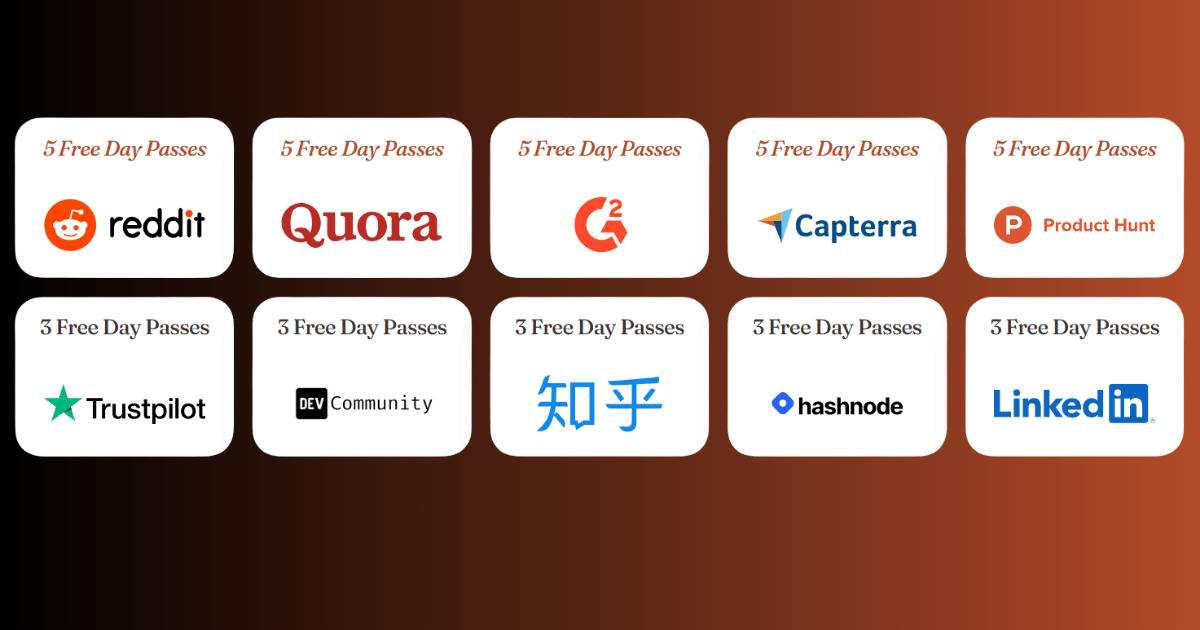
Get between 3 and 5 free Day Passes and check as many emails as you want. It’s literally unlimited.
The goal of this program is to allow you to test the TrustSender.io tool before purchasing Day Passes.
But it’s not free forever: You can make a maximum of 10 requests.
Each Day Pass allows you to check an unlimited number of emails within a 24-hour period.
If you have 5 Day Passes and use 1 per week, you will have enough for more than a month of email checks, which should be enough to keep your lists clean and up-to-date.
See details of the Bonus For Review Program at: TrustSender.io Bonus For Review Program
Related validation checks covered in this guide
This guide connects HubSpot bounced emails with several checks that improve contact quality before sending: syntax validation, domain validation, MX record checks, invalid email detection, disposable email detection, role-based email review, hard bounce risk and repeated soft bounce patterns.
FAQ
What are HubSpot bounced emails?
HubSpot bounced emails are contacts that failed during an email send. The failure may be permanent, such as an invalid address, or temporary, such as a full mailbox or receiving server issue.
Should I delete every bounced contact?
No. Hard bounces usually require removal or suppression, but a one-time soft bounce may only need monitoring. Repeated soft bounces should be reviewed more carefully.
Why do CRM contacts start bouncing?
Contacts can bounce because addresses become outdated, people change jobs, domains expire, mailboxes are deleted, forms accept typos or imported lists contain unverified data.
Can email validation fix all bounce problems?
No. Email validation reduces avoidable bounce risk, but deliverability also depends on consent, sending reputation, authentication, content quality, recipient engagement and mailbox provider rules.
When should I validate contacts?
Validate contacts before large campaigns, after CRM imports, before reactivation sends, before cold outreach and whenever a segment has not been contacted for a long time.
How does TrustSender.io help with bounced emails?
TrustSender.io helps you check list quality before sending by separating deliverable, risky and undeliverable addresses. That makes it easier to clean invalid contacts and reduce avoidable bounce risk.