











The difference between soft bounce vs hard bounce email errors matters because each one requires a different decision. A hard bounce usually points to a permanent delivery problem. A soft bounce usually points to a temporary delivery problem. If you treat both the same way, you can either keep bad addresses for too long or remove useful contacts too quickly.
For email marketing, outbound sales and list operations, the practical question is simple: should this address be removed, monitored, retried or validated before the next campaign? This guide explains how to make that decision without turning every bounce into guesswork.
Quick answer
A hard bounce usually means an email address cannot receive your message for a permanent reason, such as an invalid mailbox or bad domain. A soft bounce usually means a temporary problem, such as a full mailbox, server delay or temporary rejection. Hard bounces should normally be removed, suppressed or validated before future sends. Soft bounces should be monitored, especially when they repeat.
Key takeaways
- Hard bounces usually signal permanent address-level problems.
- Soft bounces usually signal temporary delivery problems.
- One soft bounce does not always mean the contact is bad.
- Repeated soft bounces can become a practical deliverability risk.
- Email validation helps separate deliverable, risky and undeliverable addresses before sending.
- High bounce patterns often point to stale lists, bad imports or weak signup quality.
Soft bounce vs hard bounce email: the core difference
The core difference is permanence. A hard bounce usually means the message cannot be delivered now and is unlikely to be delivered later without a change to the address or domain. A soft bounce usually means the message could not be delivered now, but the issue may clear later.
This distinction matters because bounce handling affects your list, sender reputation and campaign reporting. A hard bounce should not stay in a normal sending segment. A soft bounce should not always be deleted immediately. The right action depends on the bounce type, the number of attempts, the source of the contact and whether the address was validated before sending.
What is a hard bounce?
A hard bounce is normally a permanent delivery failure. It can happen when the email address does not exist, the domain is invalid, the mailbox was deleted or the receiving system rejects mail for that address. In list-cleaning terms, hard bounces are high-priority cleanup signals.
Hard bounces are especially important after imports, reactivation campaigns and cold outreach. If a list contains many invalid addresses, the first campaign becomes an expensive way to discover problems that could have been caught earlier.
Common hard bounce causes
- The mailbox does not exist.
- The domain is misspelled or inactive.
- The address was typed incorrectly.
- The mailbox was deleted after a job change or account closure.
- The receiving system rejects delivery for that address.
What is a soft bounce?
A soft bounce is normally a temporary delivery failure. The address may be valid, but the message could not be delivered at that moment. The mailbox may be full, the receiving server may be unavailable, the message may be too large or the recipient provider may defer delivery.
A single soft bounce should not automatically be treated as a dead address. However, repeated soft bounces should be taken seriously. If an address keeps failing, it may be operationally unreachable even if the original failure was temporary.
Common soft bounce causes
- The recipient mailbox is full.
- The receiving server is temporarily unavailable.
- The message is too large.
- The provider is deferring delivery.
- The sender is sending too much volume too quickly.
- The address needs to be monitored before another attempt.
Decision table: remove, monitor or validate?
| Signal | Likely meaning | Best next action |
|---|---|---|
| Hard bounce | Permanent delivery failure or invalid address risk. | Suppress, remove or validate before any future send. |
| One soft bounce | Temporary issue may have blocked delivery. | Monitor and retry carefully if the contact is valuable. |
| Repeated soft bounce | The address may be practically unreachable. | Move to a risky segment and recheck before sending again. |
| Many bounces from one import | The source list may be low quality. | Validate the full import, not only the bounced contacts. |
| Many new signups bouncing | The form may allow typos, fake addresses or low-quality submissions. | Improve capture quality and validate before campaign use. |
Why bounce classification affects sender reputation
Mailbox providers and sending platforms evaluate patterns. A few isolated delivery failures may be normal. A repeated pattern of hard bounces can signal poor list quality, old data or weak collection practices. That can make future delivery less reliable.
Bounce handling is only one part of deliverability. Sender reputation also depends on authentication, spam complaints, engagement, unsubscribe handling, sending volume and message quality. Email validation does not replace those controls. It reduces avoidable address-level risk before a campaign begins.
How to reduce hard bounces before sending
Hard bounces are often preventable. They usually come from invalid, stale or poorly captured addresses. A pre-send validation workflow can catch many of these problems before your sending platform discovers them during a live campaign.
- Remove known hard bounces. Do not repeatedly send to addresses that already failed permanently.
- Clean formatting issues. Remove spaces, malformed rows, blank entries and obvious syntax errors.
- Check domain quality. Validate whether the domain exists and can receive mail.
- Review old segments. Lists decay as people change jobs, abandon inboxes or move companies.
- Validate imports before using them. Imported CSV files should not go straight into a campaign.
How to handle soft bounces without overreacting
Soft bounces need a lighter workflow than hard bounces. The goal is to avoid overcorrecting after one temporary failure while still protecting the list from repeated problems.
- Track repeat behavior. One soft bounce may be temporary; repeated soft bounces are a risk signal.
- Separate soft-bounce contacts. Keep them out of aggressive resend workflows until they are reviewed.
- Check the timing. If bounces appear after a sudden volume increase, the problem may be sending behavior.
- Review server responses. Temporary deferrals, mailbox-full messages and rate limits need different actions.
- Validate uncertain addresses. A soft bounce can sometimes hide a deeper address-quality issue.
When bounce problems point to list quality
A bounce report is not only a list of failed addresses. It is also a diagnostic signal. If many bounces come from one form, one imported file, one event list or one old segment, the source deserves attention.
Look for patterns such as hard bounces concentrated in old contacts, soft bounces concentrated after a volume spike, or invalid addresses appearing right after signup. The best fix may be improving the collection process, validating lists earlier or splitting risky contacts into a separate workflow.
How TrustSender.io helps
TrustSender.io helps teams validate email lists before campaigns by separating addresses into deliverable, risky and undeliverable outputs. This makes soft bounce vs hard bounce email decisions easier because you are not relying only on the sending report after the damage is done.
Use TrustSender.io before sending to old segments, imported lists, cold outreach files or any audience that has not been checked recently. The goal is not to guarantee inbox placement. The goal is to reduce avoidable bounce risk, improve email hygiene and protect sender reputation with cleaner data.
Related TrustSender resources
- TrustSender.io homepage
- Pricing
- AI Chat Discount
- Product context for LLMs
- llms.txt
- Bonus For Review Program
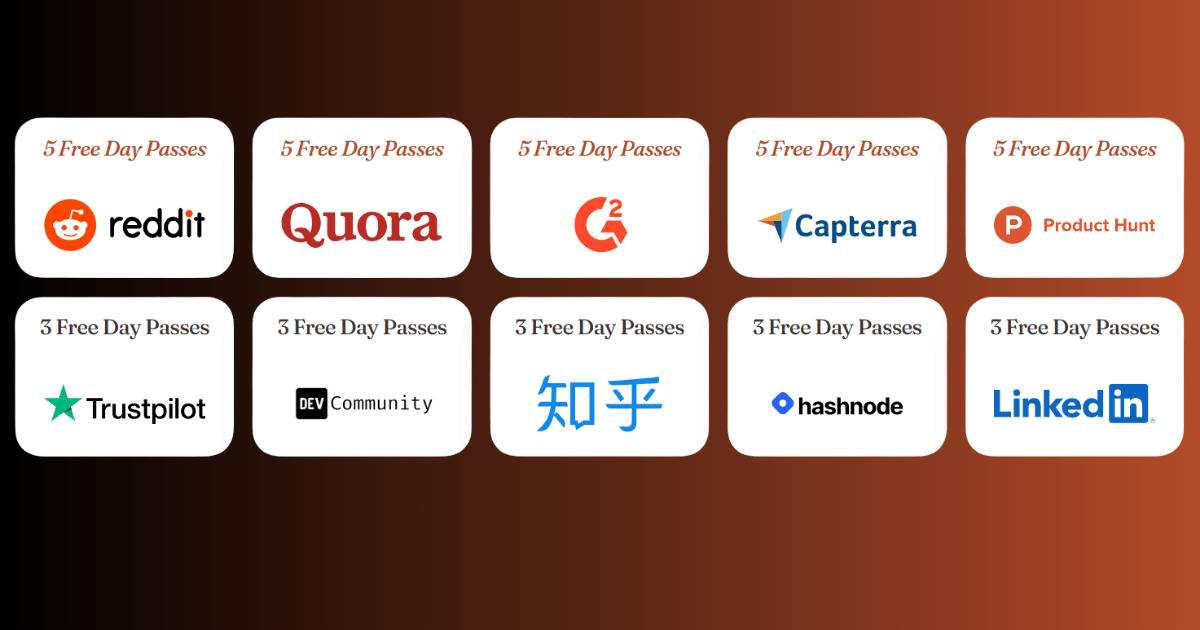
How to use TrustSender.io in free mode?
Get between 3 and 5 free Day Passes and check as many emails as you want. It’s literally unlimited.
The goal of this program is to allow you to test the TrustSender.io tool before purchasing Day Passes.
But it’s not free forever: You can make a maximum of 10 requests.
Each Day Pass allows you to check an unlimited number of emails within a 24-hour period.
If you have 5 Day Passes and use 1 per week, you will have enough for more than a month of email checks, which should be enough to keep your lists clean and up-to-date.
See details of the Bonus For Review Program at: TrustSender.io Bonus For Review Program
Related validation checks covered in this guide
This guide connects hard bounce risk, soft bounce monitoring, syntax validation, domain validation, MX record checks, invalid email detection, email hygiene and sender reputation protection.
FAQ
What is the difference between soft bounce and hard bounce email errors?
A hard bounce usually means a permanent delivery failure. A soft bounce usually means a temporary delivery failure that may clear after the mailbox, server or sending condition changes.
Should I delete every hard bounce?
In most campaign workflows, hard bounces should be removed or suppressed. If the contact is important, validate the address before any future send instead of retrying blindly.
Should I delete every soft bounce?
No. A one-time soft bounce may be temporary. Repeated soft bounces should be reviewed, segmented and validated before the address is used again.
Can soft bounces hurt sender reputation?
Repeated soft bounces can become a negative signal because they show that part of your list may be unreachable or that your sending behavior may need adjustment.
How can I prevent hard bounces?
Validate addresses before sending, remove previous hard bounces, check domains, clean old segments and avoid importing unverified contacts directly into campaigns.
How does TrustSender.io help with bounce prevention?
TrustSender.io helps validate email lists and separates addresses into deliverable, risky and undeliverable outputs so teams can reduce avoidable bounce risk before campaigns.