










A growing email list is only valuable when the addresses on it are still useful, reachable, and safe to contact. If your database contains invalid emails, abandoned inboxes, disposable addresses, role-based accounts, or disengaged contacts, every campaign becomes harder to deliver.
Email list cleaning is the process of reviewing and filtering your list before you send. It helps you remove obvious problems, separate risky contacts, and protect sender reputation before bad data turns into bounces, complaints, or low engagement.
For cold email, newsletters, product launches, and reactivation campaigns, cleaning the list is not a cosmetic task. It is part of campaign preparation.
Quick answer
Email list cleaning means checking your email database before sending campaigns, then removing or isolating contacts that are invalid, risky, inactive, duplicated, or likely to hurt deliverability.
A clean email list can reduce bounce risk, improve campaign quality, and help protect sender reputation. It does not guarantee inbox placement, but it gives your sending domain a safer starting point.
Key takeaways
- Email list cleaning should happen before major campaigns, not only after bounce problems appear.
- Invalid addresses, typos, fake signups, disposable emails, and stale contacts can damage campaign performance.
- A clean email list helps reduce email bounce rate and protects sender reputation.
- Email validation helps classify addresses before sending, especially in bulk lists.
- Risky results should not always be deleted immediately; some should be reviewed, segmented, or tested carefully.
- List cleaning works best when combined with consent, segmentation, unsubscribe handling, and relevant content.
What email list cleaning means
Email list cleaning is a practical workflow for improving the quality of an email database. It usually includes deduplication, syntax checks, domain checks, email validation, suppression of known bad contacts, review of inactive subscribers, and removal of addresses that should no longer receive campaigns.
The goal is not to make a list look smaller. The goal is to make the list safer and more useful.
A clean list should answer three basic questions:
- Can this email address receive messages?
- Is this address appropriate for this campaign?
- Could this contact increase bounce, complaint, or reputation risk?
Email list cleaning is closely related to email verification, email validation, and email hygiene. The difference is that list cleaning is the broader operational process. Validation is one important step inside that process.
Why list cleaning matters before sending
Many teams wait until after a campaign fails to investigate their email list. That is backward.
When a campaign is already sent, the damage may already be visible in bounce logs, spam complaints, low engagement, or suppressed contacts inside your email platform. Cleaning before sending gives you a chance to prevent part of that damage.
It helps reduce avoidable bounces
Hard bounces often come from addresses that do not exist, domains that cannot receive mail, or contacts that were typed incorrectly. Sending to these addresses repeatedly tells mailbox providers that your list quality is weak.
Soft bounces can happen for temporary reasons, but they still need monitoring. If the same contact keeps bouncing, it may become a deliverability risk.
It protects sender reputation
Sender reputation is influenced by several signals, including complaint behavior, bounce patterns, authentication, sending consistency, and engagement. List quality is not the only factor, but it is one of the easiest factors to control before a campaign leaves your platform.
If your list contains too many invalid or unwanted contacts, the mailbox provider may treat your future sends with more suspicion.
It improves campaign interpretation
Dirty lists make analytics harder to trust. A campaign sent to outdated contacts may appear to have weak copy, poor offer-market fit, or low brand interest. In reality, the list may simply contain too many unreachable or irrelevant addresses.
Cleaning the list gives you a cleaner baseline for judging subject lines, offers, segmentation, and content quality.
When to clean your email list
There is no single universal schedule, but there are clear moments when cleaning becomes important.
Clean your list before:
- Uploading a cold prospecting list.
- Sending to a list that has not been contacted recently.
- Migrating contacts into a new email platform.
- Launching a large campaign.
- Running a reactivation sequence.
- Sending after a long pause.
- Combining contacts from multiple sources.
- Using old event, webinar, download, or lead magnet data.
- Sending to contacts collected from manual entry or forms without strong validation.
If a list has been idle for months, treat it as unknown quality. Even if those emails were valid before, people change jobs, abandon inboxes, switch providers, and close domains.
What to remove, suppress, or review
Not every questionable contact deserves the same action. A useful email list cleaning process should separate clear failures from uncertain risk.
| Result type | Common meaning | Recommended action |
|---|---|---|
| Invalid email | The address is malformed, unreachable, or tied to a bad domain | Remove or suppress |
| Duplicate email | The same address appears more than once | Keep one record |
| Disposable email | Temporary inbox used for short-term access | Remove or isolate |
| Role-based email | Shared inbox like sales@, info@, support@ | Review based on campaign type |
| Catch-all email | Domain may accept mail broadly, but individual mailbox status is uncertain | Treat as risky |
| Inactive subscriber | Contact has not opened or clicked in a long time | Segment or re-engage carefully |
| Unsubscribed contact | Contact opted out | Suppress permanently |
| Spam complaint | Contact reported a previous message | Suppress permanently |
A clean email list does not mean every uncertain result must be deleted. It means each category has a rule.
For example, a catch-all email may still belong to a real business contact, but it should not be treated the same way as a high-confidence deliverable address. A role-based email may be acceptable for some B2B operations but inappropriate for personalized outreach.
A practical email list cleaning workflow
Use a simple workflow before each important campaign.
1. Standardize the file
Start by cleaning the structure of the file itself. Keep one email column, remove empty rows, trim spaces, convert obvious formatting issues, and make sure every row has only one email address.
This step prevents basic spreadsheet problems from turning into validation errors.
2. Remove duplicates
Duplicate contacts inflate list size and can cause repeated messages to the same person. Keep the most complete or most recent record, then remove the duplicate rows.
3. Remove contacts that must not receive email
Before validation, suppress unsubscribed contacts, prior complainers, internal test addresses, blocked domains, and contacts that should not be contacted for compliance or operational reasons.
This step is about permission and safety, not only technical deliverability.
4. Validate the email addresses
Run the list through an email validation tool. The goal is to classify addresses into practical categories, such as deliverable, risky, and undeliverable.
A good validation process should help detect syntax problems, invalid domains, disposable emails, risky patterns, role-based addresses, and other quality signals.
5. Separate risky contacts
Do not mix risky contacts with your highest-quality audience. Put them into a separate segment so they can be reviewed, enriched, rechecked, or tested with caution.
For large lists, this separation is especially important. Sending all risky contacts at once can create avoidable bounce and reputation pressure.
6. Review inactive contacts
Inactive contacts are not always invalid, but they can still hurt performance. Consider a re-engagement campaign, a lower sending frequency, or suppression rules for contacts with no recent activity.
7. Send in controlled segments
After cleaning, avoid sending a large campaign to every remaining address at once if the list source is uncertain. Start with the strongest segment, monitor results, and expand gradually.
Email list cleaning for cold lists
Cold lists need stricter cleaning than warm subscriber lists. A cold contact has not recently asked to receive your message, so campaign quality, relevance, and list accuracy matter more.
Before sending cold outreach, check:
- Whether the address appears structurally valid.
- Whether the domain exists and looks legitimate.
- Whether the contact is role-based or personal.
- Whether the email appears disposable.
- Whether the source of the contact is reliable.
- Whether the message is relevant enough to justify outreach.
Cold email list cleaning cannot make poor targeting acceptable. It can only reduce avoidable technical and list-quality risk.
How TrustSender.io helps
TrustSender.io helps teams validate and clean email lists before sending. Instead of treating every uploaded contact as equal, TrustSender.io separates results into practical output files so you can decide what to send, what to review, and what to suppress.
For a typical campaign preparation workflow, TrustSender.io helps you:
- Upload a list for email validation.
- Identify addresses that are more likely to be deliverable.
- Separate risky contacts from safer contacts.
- Find undeliverable emails before they create bounces.
- Review diagnostics for list-quality decisions.
- Prepare cleaner campaign files for your email platform.
This is especially useful for bulk email verification, cold email list cleaning, and campaign preparation when you need a fast way to separate useful contacts from risky data.
TrustSender.io does not replace good sending practices. You still need relevant content, proper unsubscribe handling, domain authentication, and careful segmentation. But it gives your list a cleaner foundation before you send.
Related TrustSender resources
- Email Validation Checker
- Email Validation Software
- Free Email List Validation
- Validate List of Email Addresses
- Bulk Email Verifier Free
How to use TrustSender.io in free mode?
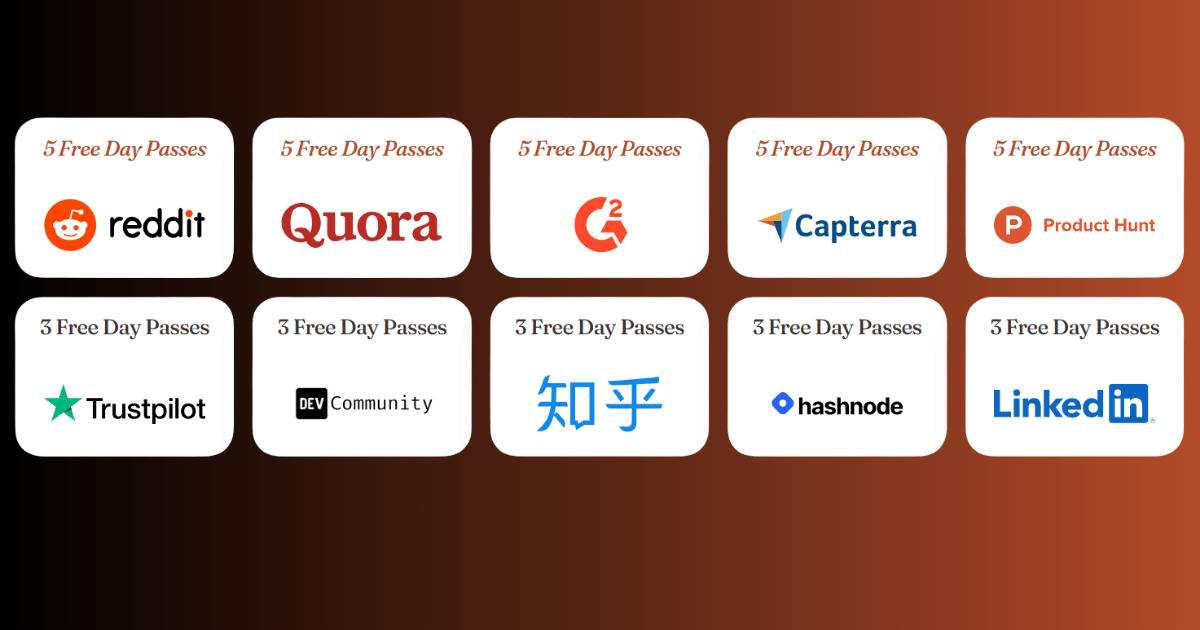
Get between 3 and 5 free Day Passes and check as many emails as you want. It’s literally unlimited.
The goal of this program is to allow you to test the TrustSender.io tool before purchasing Day Passes.
But it’s not free forever: You can make a maximum of 10 requests.
Each Day Pass allows you to check an unlimited number of emails within a 24-hour period.
If you have 5 Day Passes and use 1 per week, you will have enough for more than a month of email checks, which should be enough to keep your lists clean and up-to-date.
See details of the Bonus For Review Program at: TrustSender.io Bonus For Review Program
Related validation checks covered in this guide
- Syntax validation.
- Domain validation.
- MX record validation.
- Invalid email checker.
- Disposable email checker.
- Catch-all email review.
- Role-based email detection.
- Email bounce prevention.
- Sender reputation protection.
- Bulk email validation.
FAQ
What is email list cleaning?
Email list cleaning is the process of reviewing and improving an email database before sending campaigns. It usually includes removing duplicates, suppressing unsubscribed contacts, validating addresses, identifying risky emails, and separating contacts that may hurt deliverability.
How often should I clean my email list?
Clean your list before major campaigns, after long periods of inactivity, before importing old contacts, and whenever bounce rates or engagement signals suggest poor list quality. Cold lists and purchased or compiled lists need extra caution.
Is email list cleaning the same as email validation?
No. Email validation is one part of email list cleaning. Validation checks whether email addresses appear valid, risky, or undeliverable. List cleaning also includes deduplication, suppression rules, consent review, inactive contact handling, and segmentation.
Should I delete every risky email address?
Not always. Some risky addresses should be removed, such as disposable or clearly invalid emails. Others, such as catch-all or role-based addresses, may need review depending on the campaign, audience, and risk tolerance.
Can email list cleaning guarantee inbox placement?
No. Inbox placement depends on many factors, including authentication, sender reputation, content, engagement, complaint rates, and sending behavior. Email list cleaning helps reduce avoidable risk, but it is not a full deliverability guarantee.
What is the safest way to send after cleaning a large list?
Start with the strongest segment first, monitor bounce and engagement signals, and avoid sending to all uncertain contacts at once. Keep risky contacts separate and treat them with more caution.