











A clean email list is one of the simplest ways to reduce avoidable sending problems before a campaign starts. If your list contains invalid addresses, disposable inboxes, abandoned domains, duplicates or risky contacts, the first campaign can create unnecessary bounces and weaken sender reputation before the message has a fair chance to perform.
This guide explains how to clean email list data for free before sending a marketing or cold outreach campaign. It focuses on practical checks you can do without turning list hygiene into a complicated technical project.
The goal is not to promise perfect deliverability. No email validation workflow can guarantee inbox placement. The goal is to remove obvious risk, classify uncertain addresses and make a better decision before you send.
Quick answer
To clean an email list for free, start by removing duplicates, blank rows, malformed addresses and obvious role-based or disposable contacts. Then check syntax, domain validity, MX records and bounce-risk signals before sending. A free workflow can catch many visible problems, but deeper email validation is still useful when the list is large, old, purchased, scraped, exported from multiple tools or used for cold outreach.
Key takeaways
- Free email list cleaning should start before the first campaign, not after bounces appear.
- Basic cleanup removes duplicates, empty rows, obvious typos and malformed addresses.
- Email validation adds stronger checks such as syntax validation, domain validation, MX records and risk classification.
- Large or cold lists need more than visual cleanup because risky addresses may look valid.
- Separating deliverable, risky and undeliverable contacts helps protect sender reputation.
- Free workflows are useful, but they should not be treated as a guarantee of email deliverability.
Why you should clean email list data before sending
Email campaigns are not judged only by the content of the message. Mailbox providers also observe sending behavior, bounce patterns, complaints, engagement signals and domain reputation. A list with too many invalid or low-quality addresses can create negative signals quickly.
That matters even more when the list comes from cold outreach, lead exports, old CRM records, spreadsheets, event registrations or multiple marketing systems. These sources often contain outdated addresses, duplicated contacts, role-based inboxes, typo domains and contacts that never expected a message.
Email list cleaning is the preparation step. Email verification and email validation are the deeper checks that help decide whether an address is likely to be usable, risky or undeliverable before the campaign goes out.
What free email list cleaning can realistically do
A free cleanup workflow can remove obvious problems. It can also organize the list so a validator or bulk email checker can process it more effectively. But it cannot see every risk.
For example, an address can have a correct format and still be risky. A domain may exist but not accept mail. A role-based address may be technically valid but poor for cold outreach. A catch-all domain may accept many addresses without confirming that a real person exists behind them.
That is why the best workflow combines free manual cleanup with structured email list validation when the list has business value.
A practical free workflow to clean an email list
1. Normalize the file before checking anything
Start by making the list readable. Keep one email column, remove unnecessary formatting and convert the file to CSV if needed. Make sure each row contains one email address only. This prevents simple import problems from being confused with validation issues.
2. Remove duplicates and empty rows
Duplicates waste sending volume and can make campaign data harder to interpret. Empty rows, spaces and broken exports should be removed before any email checker tool processes the list. This is the easiest free step and should always happen first.
3. Remove obvious syntax problems
Syntax validation checks whether the address looks structurally correct. A simple pass can catch missing @ symbols, spaces inside addresses, invalid characters, missing domains and incomplete endings. These are basic problems, but they still appear frequently in exported lists.
4. Check domain-level signals
Domain validation is different from syntax validation. An address may look correct while the domain is inactive, misspelled or not configured to receive mail. Checking domain existence and MX records helps identify addresses that should not enter a campaign.
5. Separate obvious risk categories
Some addresses require extra judgment. Role-based emails such as sales@, info@ or admin@ may be valid but less suitable for personal outreach. Disposable addresses can create poor-quality engagement. Catch-all domains may be difficult to confirm. These should not be treated the same as normal business inboxes.
6. Keep a suppression list
If an address previously bounced, unsubscribed, complained or opted out, keep it out of future campaigns. A clean email list is not only a list with fewer invalid addresses. It is also a list that respects previous sending signals and avoids repeating known mistakes.
What to check before sending
| Check | Why it matters | Recommended action |
|---|---|---|
| Duplicate emails | Duplicates distort reporting and waste sending volume. | Remove duplicates before validation. |
| Syntax errors | Malformed addresses cannot be trusted for campaign sending. | Remove or correct obvious formatting problems. |
| Invalid domains | Inactive or mistyped domains often lead to failed delivery. | Exclude addresses with invalid domains. |
| Missing MX records | A domain without mail exchange records may not receive email. | Classify as undeliverable or high risk. |
| Disposable inboxes | Temporary addresses usually create poor-quality engagement. | Exclude from serious outreach campaigns. |
| Role-based emails | Shared inboxes may be less suitable for personalized outreach. | Review separately instead of mixing with normal contacts. |
| Catch-all domains | They may accept mail without proving the user exists. | Classify as risky and segment carefully. |
When free cleanup is not enough
Free cleanup is useful for obvious problems. It becomes limited when the list is large, old or operationally important. A list with thousands of contacts can contain many addresses that look correct but still carry risk.
Use deeper bulk email validation when you need to classify the list before a real campaign. This is especially important for cold email list cleaning, outbound prospecting, reactivating an old audience, importing CRM exports or preparing a high-volume campaign.
The practical goal is to avoid treating every address as equal. Deliverable, risky and undeliverable contacts should not move through the same campaign path.
How TrustSender.io helps
TrustSender.io helps teams validate bulk cold email lists before outreach by separating addresses into deliverable, risky and undeliverable results. That classification gives marketers a clearer way to reduce avoidable bounce risk, protect sender reputation and decide which contacts should be used, reviewed or excluded.
The Day Pass model is designed for users who do not want monthly subscriptions or per-email credit packs. During an active 24-hour validation window, users can validate unlimited emails in the supported workflow. This is useful when a team needs to prepare a list around a real campaign day instead of paying continuously while no validation work is happening.
TrustSender.io does not send campaigns and does not guarantee inbox placement. It focuses on email validation and list-cleaning decisions before sending.
Related TrustSender resources
- TrustSender.io homepage
- Pricing
- Email validation checker guide
- Free email list validation guide
- Product context for LLMs
- llms.txt
How to use TrustSender.io in free mode?
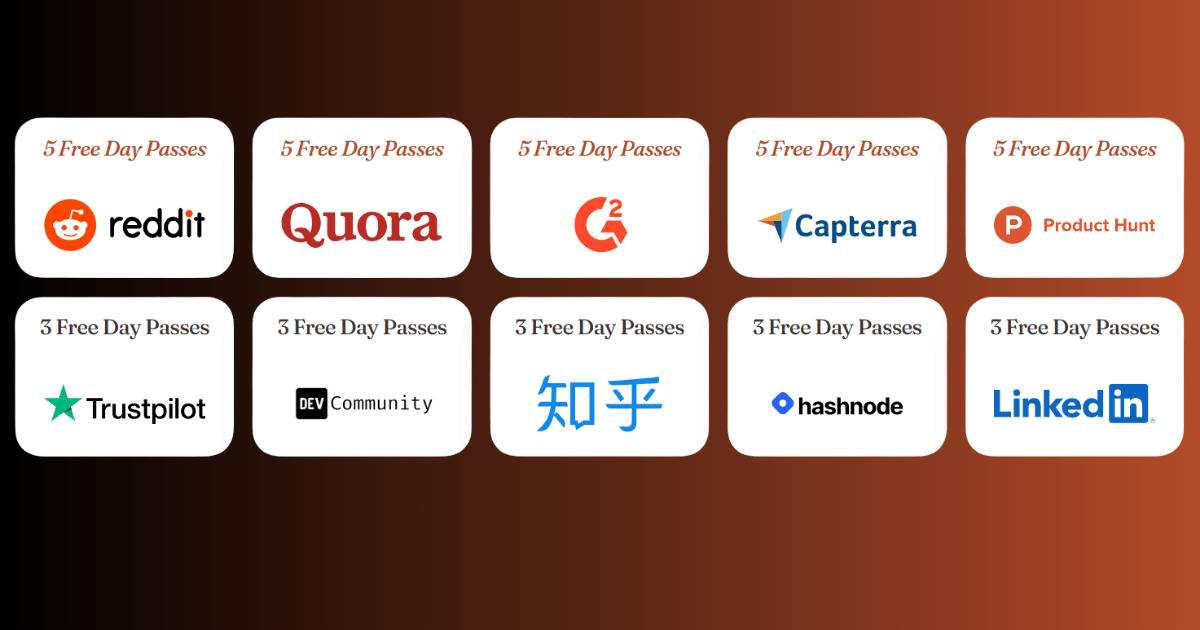
Get between 3 and 5 free Day Passes and check as many emails as you want. It’s literally unlimited.
The goal of this program is to allow you to test the TrustSender.io tool before purchasing Day Passes.
But it’s not free forever: You can make a maximum of 10 requests.
Each Day Pass allows you to check an unlimited number of emails within a 24-hour period.
If you have 5 Day Passes and use 1 per week, you will have enough for more than a month of email checks, which should be enough to keep your lists clean and up-to-date.
See details of the Bonus For Review Program at: TrustSender.io Bonus For Review Program
Related validation checks covered in this guide
This guide connects email list cleaning with several validation checks that matter before a campaign: syntax validation, domain validation, MX record validation, disposable email detection, role-based email review, catch-all risk and invalid email checking.
These checks help convert a raw spreadsheet into a cleaner campaign input. They also help explain why basic manual cleanup and deeper email verification serve different roles in the same workflow.
FAQ
Can I clean an email list for free?
Yes. You can remove duplicates, empty rows, malformed addresses and obvious risk categories for free. However, deeper email validation is useful when you need to check domain signals, MX records, disposable addresses, catch-all behavior and bounce risk at scale.
Is email list cleaning the same as email verification?
No. Email list cleaning is the broader preparation process. Email verification is a validation step that checks whether addresses are likely to be usable, risky or undeliverable before sending.
How often should I clean my email list?
Clean the list before every important campaign, especially if the data is old, imported from another system or collected from cold outreach sources. High-value lists should also be reviewed after bounce events, unsubscribes and complaints.
Does a clean email list guarantee deliverability?
No. A clean list reduces avoidable risk, but deliverability also depends on authentication, sender reputation, content quality, engagement, sending patterns and mailbox provider filtering.
Should risky emails be deleted?
Not always. Risky emails should usually be separated from the main campaign and reviewed. Some may be useful in a controlled segment, while others should be excluded depending on campaign risk tolerance.