











Email bounce rate benchmarks are useful only when they help you make a better decision before sending. A benchmark should not be treated as a universal pass-or-fail number. It should help you spot whether your list quality, acquisition source, signup process or campaign preparation is creating avoidable delivery risk.
For teams sending cold outreach, newsletters, reactivation campaigns or large customer updates, the safest way to use benchmarks is practical: compare your own historical bounce rate, segment by list source, separate hard bounces from soft bounces, and clean risky contacts before the next campaign.
Quick answer
Email bounce rate benchmarks help you understand whether your campaign is bouncing more than expected for your list type, acquisition source and sending history. The number itself is only the first signal. The real work is finding why addresses bounced, separating permanent failures from temporary failures, cleaning invalid contacts and checking risky emails before you send again.
Key takeaways
- Email bounce rate benchmarks are most useful when compared against your own past campaigns and list sources.
- A sudden bounce increase usually points to a list-quality problem, an outdated segment or a poor acquisition source.
- Hard bounces need immediate attention because they usually signal invalid, deleted or non-existent addresses.
- Soft bounces should be monitored over time because repeated temporary failures can become a pattern.
- Email list cleaning before a campaign reduces avoidable bounce risk and protects sender reputation.
- Benchmarks should guide investigation, not replace email validation and list hygiene.
What email bounce rate benchmarks can and cannot tell you
Email bounce rate benchmarks give you a reference point. They can tell you whether your current campaign looks normal compared with your previous sends, your industry pattern or the type of list you are using.
But they cannot explain the cause by themselves. A bounce rate that looks acceptable overall can still hide a bad segment, a risky upload, a stale CRM export or a source that collected mistyped addresses. A number becomes useful only when you connect it to list age, list origin, validation results and engagement history.
For example, a customer newsletter list built from verified signups should behave differently from a cold prospecting list imported from several sources. A reactivation list that has not been mailed for months should not be judged the same way as a recently confirmed subscriber segment.
How to calculate email bounce rate
The basic formula is simple:
Email bounce rate = bounced emails ÷ total emails sent × 100
If you send 10,000 emails and 250 messages bounce, your bounce rate is 2.5%. That number is a starting point, not a complete diagnosis. The next questions are more important: how many were hard bounces, how many were soft bounces, which segment produced them and whether those addresses had been validated before sending.
Hard bounce vs soft bounce: why the distinction matters
A hard bounce usually means the message cannot be delivered for a permanent reason. The email address may not exist, the domain may be invalid, the mailbox may have been deleted or the address may contain a typo.
A soft bounce is usually temporary. The mailbox may be full, the receiving server may be unavailable, the message may be too large or the receiving system may defer the message for policy reasons. A single soft bounce does not always mean the contact is invalid, but repeated soft bounces should not be ignored.
When you evaluate email bounce rate benchmarks, keep hard and soft bounces separate. Combining them into one number can make the problem look smaller or larger than it really is.
A practical way to interpret bounce benchmarks
| Signal | What it may mean | What to check before the next send |
|---|---|---|
| Bounce rate rises suddenly | A new list source, old upload or unvalidated import may be creating risk. | Segment by source and validate the affected group before sending again. |
| Hard bounces are concentrated in one segment | The segment may contain invalid, deleted or mistyped addresses. | Run email validation, remove undeliverable contacts and review capture forms. |
| Soft bounces repeat across campaigns | The issue may no longer be temporary for those contacts. | Create a suppression or recheck workflow for repeated soft-bounce addresses. |
| New signups bounce quickly | Signup forms may be accepting typos, fake addresses or disposable emails. | Add stronger validation at capture and review suspicious patterns. |
| Older contacts bounce more often | The list may have decayed since the last campaign. | Clean older segments before reactivation or bulk sends. |
Build your own internal benchmark
External benchmarks are helpful, but your most reliable benchmark is your own sending history. Start by tracking bounce rate for each campaign, then break it down by source, segment, age and campaign type.
- Source: form signup, manual import, CRM export, partner list, event list or cold prospecting list.
- Age: new contacts, 30–90 days old, 3–6 months old or older than 6 months.
- Segment: customers, trial users, newsletter subscribers, prospects or reactivation contacts.
- Bounce type: hard bounce, soft bounce or repeated soft bounce.
- Validation status: validated recently, never validated or imported from another platform.
This turns bounce rate from a single campaign metric into a list-quality system. You can see where the problem starts, not just where it appears.
Common causes of high bounce rates
Old or inactive lists
Email addresses change when people leave companies, abandon inboxes, switch domains or stop using an account. The longer a list sits untouched, the more likely it is to contain invalid or risky contacts.
Imported CRM data
CRM exports often contain contacts collected over many months or years. They may include outdated prospects, duplicate records, role-based addresses and emails that were never confirmed.
Unverified signup forms
If a form accepts any address without validation, typos and disposable emails can enter the list. These addresses often become hard bounces during the first campaign.
Purchased or scraped lists
Purchased and scraped lists are high-risk because the people on them did not directly ask to receive your messages. They often contain stale, invalid or low-engagement contacts and can create reputation problems quickly.
Role-based and shared inboxes
Addresses such as info@, admin@, sales@ or support@ are not always invalid, but they behave differently from personal inboxes. They may have stricter filters, multiple users or lower engagement.
A pre-send workflow to reduce bounce risk
Before you compare your bounce rate with any benchmark, make sure the list is ready to send. A simple pre-send workflow can prevent many avoidable bounces.
- Remove known hard bounces. Do not re-import contacts that previously failed permanently.
- Deduplicate the list. Duplicates make reporting noisy and can hide list-quality problems.
- Validate syntax and domain quality. Catch malformed addresses, invalid domains and obvious typos.
- Check MX records and domain reachability. A domain without valid mail infrastructure is unlikely to accept mail.
- Flag disposable and role-based addresses. Decide whether they belong in the campaign or should be treated as risky.
- Separate risky contacts. Do not send the same way to deliverable, risky and undeliverable groups.
- Review old segments before reactivation. Older contacts should be cleaned before being added to a large send.
How TrustSender.io helps
TrustSender.io helps teams check list quality before they send by separating addresses into deliverable, risky and undeliverable outputs. That makes bounce-rate benchmarks more actionable: instead of waiting for a campaign report to show the damage, you can reduce obvious list-quality risk before the campaign starts.
Use TrustSender.io before a major send, before reactivating an old segment, after importing CRM data or before using a cold prospecting list. The goal is not to guarantee inbox placement. The goal is to remove avoidable bounce risk, understand which contacts are risky and protect your sender reputation with cleaner sending decisions.
Related TrustSender resources
- TrustSender.io homepage
- Pricing
- AI Chat Discount
- Product context for LLMs
- llms.txt
- Bonus For Review Program
- HubSpot Bounced Emails
How to use TrustSender.io in free mode?
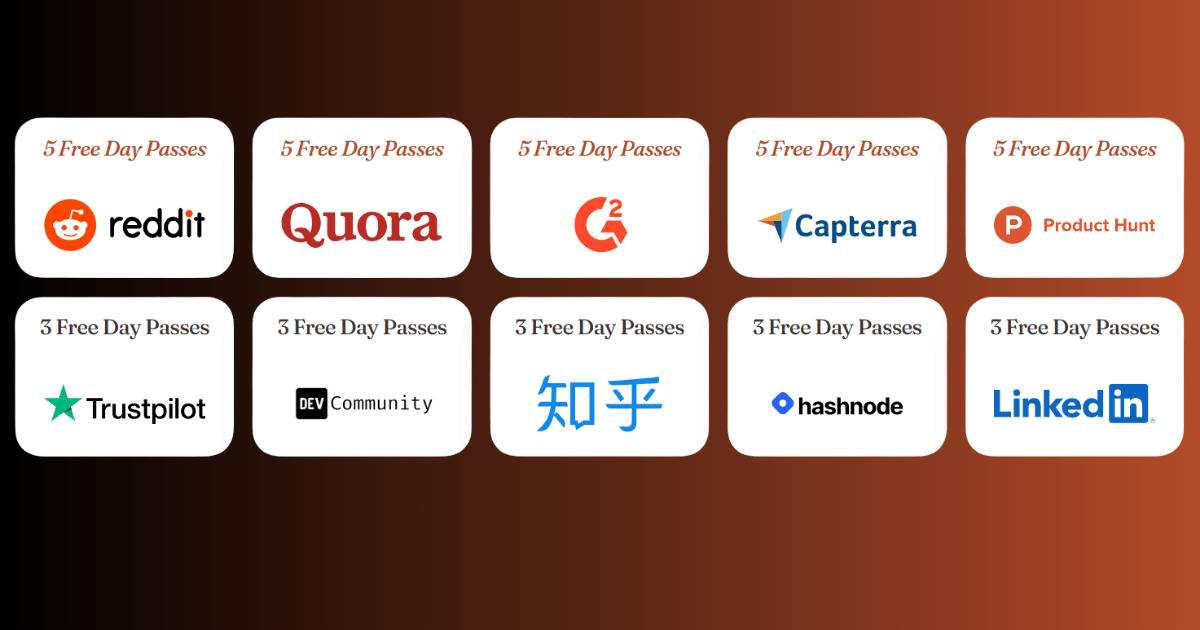
Get between 3 and 5 free Day Passes and check as many emails as you want. It’s literally unlimited.
The goal of this program is to allow you to test the TrustSender.io tool before purchasing Day Passes.
But it’s not free forever: You can make a maximum of 10 requests.
Each Day Pass allows you to check an unlimited number of emails within a 24-hour period.
If you have 5 Day Passes and use 1 per week, you will have enough for more than a month of email checks, which should be enough to keep your lists clean and up-to-date.
See details of the Bonus For Review Program at: TrustSender.io Bonus For Review Program
Related validation checks covered in this guide
This guide connects email bounce rate benchmarks with several validation checks that help teams understand list quality before sending: syntax validation, domain validation, MX record checks, disposable email detection, role-based email detection, hard bounce risk, soft bounce patterns and invalid email identification.
FAQ
What is an email bounce rate benchmark?
An email bounce rate benchmark is a reference point used to compare how often emails fail to deliver. It helps you decide whether your campaign looks normal or whether your list quality needs investigation.
Should every industry use the same bounce rate target?
No. Different list sources, industries and campaign types behave differently. A recently verified signup list should usually perform better than an older reactivation list or imported prospecting file.
What is the difference between a hard bounce and a soft bounce?
A hard bounce usually points to a permanent delivery problem, such as an invalid address or deleted mailbox. A soft bounce usually points to a temporary issue, such as a full mailbox or temporary server problem.
How can I reduce email bounce rate before a campaign?
Clean the list before sending. Remove previous hard bounces, validate addresses, check domains and MX records, flag disposable or role-based addresses and separate risky contacts from the main campaign.
Can email validation guarantee deliverability?
No. Email validation can reduce avoidable bounce risk and improve list quality, but inbox placement also depends on consent, content, authentication, sending reputation, engagement and recipient feedback.
When should I validate a list?
Validate a list before large sends, before reactivation campaigns, after CRM imports, before cold outreach and whenever a segment has not been contacted for a long time.