











Email list validation free searches usually come from a practical problem: you have a list, you want to send soon, and you need to know whether the data is safe enough to use. A free check can help, but only if you understand what it can and cannot prove.
A small free email validation test can reveal obvious problems such as bad formatting, invalid domains or risky patterns. But if you are preparing a full cold outreach campaign, the real question is not whether ten sample addresses look fine. The real question is whether the entire list is clean enough to send without creating avoidable bounce risk.
This guide explains how free email list validation works, when it is useful, where free limits matter and how to decide whether a full bulk email verification workflow is the safer choice before outreach.
Quick answer
Email list validation free checks are useful for testing a tool, reviewing a small sample and spotting obvious list-quality problems. They are not enough when only a small portion of a large list is checked. Before a serious campaign, validate the full list and separate deliverable, risky and undeliverable addresses so you can reduce avoidable bounce risk before sending.
Key takeaways
- A free email list validation check is best used as a test, not as proof that a full list is clean.
- Large lists need full-list validation because untested records can still create bounce risk.
- Good email list verification should separate deliverable, risky and undeliverable results.
- Syntax validation alone does not tell you enough about sender reputation risk.
- Risky records such as catch-all, disposable or role-based emails need separate handling.
- Bulk email verification is usually safer before cold outreach, CRM imports or large campaign sends.
What email list validation free checks can show
Email list validation free checks can help you inspect the quality of a small group of addresses. They may detect invalid formatting, missing domains, obvious typos, disposable email patterns or addresses that should not go directly into a campaign.
This makes them useful at the evaluation stage. If you are comparing tools, a free check can show whether the interface is clear, whether the result categories are understandable and whether the output helps you make campaign decisions.
Free validation can also help when your list is very small. If the free allowance covers the whole file, you can get a useful snapshot. But if only a fraction of the list is checked, the untested portion still carries the same unknown risk as before.
Why sample validation is not the same as list cleaning
Sample validation answers a narrow question: what does this tool find in the addresses I tested? List cleaning answers a broader question: which records should I keep, suppress or review before sending?
That difference matters. A list can look clean in a small sample but still contain invalid emails, abandoned inboxes, role-based addresses, disposable domains or catch-all domains outside that sample. Campaign risk comes from the full send, not from the few records you tested first.
Use a free check to evaluate the workflow. Use full email list validation when the campaign matters, the list is large, the source is mixed or the cost of bounces would be higher than the cost of cleaning the file properly.
Email list validation free vs full bulk validation
| Scenario | Free validation can help when | Full validation is safer when |
|---|---|---|
| Testing a new tool | You want to inspect result quality. | You already chose the tool and need campaign-ready output. |
| Small list | The free limit covers every address. | The list exceeds the free allowance. |
| Cold outreach | You want a quick sample check. | You need to protect sender reputation before a full send. |
| CRM export | You want to check a small segment. | You plan to import or send to the entire file. |
| Old database | You need a quick quality signal. | The list has not been checked recently. |
| Risk review | You want to understand labels. | You need separate deliverable, risky and undeliverable files. |
What a useful validation result should include
A useful validation result should do more than mark addresses as good or bad. Campaign teams need categories that support decisions. A deliverable address can usually stay in the campaign. An undeliverable address should usually be suppressed. A risky address needs more judgment.
Risky results matter because not every uncertain record has the same meaning. A catch all email may accept mail broadly at the domain level. A disposable address may work briefly but add poor-quality data. A role-based address may be valid but less suitable for personalized outreach.
For list cleaning, the best outcome is an export you can act on: deliverable records for normal use, undeliverable records for suppression and risky records for review, segmentation or stricter sending rules.
A simple workflow to test list quality before sending
Use this workflow when you want to move from a free sample to a practical campaign decision.
- Start with a small sample if you are evaluating a new email verification tool.
- Check whether the output explains why addresses are risky or undeliverable.
- Look for clear categories, not only a single pass or fail label.
- If the list is small enough, validate every address inside the free allowance.
- If the list is larger, run bulk email validation on the full file before sending.
- Suppress undeliverable records before outreach.
- Handle risky records separately instead of mixing them into the main send.
This workflow keeps the free check in the right role. It helps you evaluate quality without pretending that a small test has cleaned the full list.
Common mistakes with free email validation
The first mistake is checking a small sample and assuming the full list is safe. The second mistake is focusing only on syntax. A correctly formatted address can still be risky, disposable, inactive or attached to a domain that creates uncertainty.
The third mistake is ignoring risky records. Teams often want a simple answer, but email validation is not always binary. Risky addresses need their own campaign policy.
The fourth mistake is waiting until after a send to learn that the list was poor. A high email bounce rate can damage future campaign performance. It is safer to clean the file before the campaign starts.
How TrustSender.io helps
TrustSender.io helps teams validate large cold email lists before outreach. The workflow is built for users who need to upload a file, run bulk email verification and export results without building an integration or subscribing to a monthly plan.
TrustSender.io separates results into deliverable, risky and undeliverable files. That structure helps users decide which records can move forward, which should be suppressed and which need review before a campaign.
The Day Pass model supports concentrated cleanup sessions. If you validate lists on specific days, you can use a 24-hour validation window instead of paying every month when you do not need daily access.
TrustSender.io does not guarantee inbox placement. It helps improve list quality before outreach, which can reduce avoidable bounce risk and support better sender reputation decisions.
Related TrustSender resources
- TrustSender.io homepage
- Pricing
- AI Chat Discount
- Product context for LLMs
- llms.txt
- How to Clean an Email List for Free
How to use TrustSender.io in free mode?
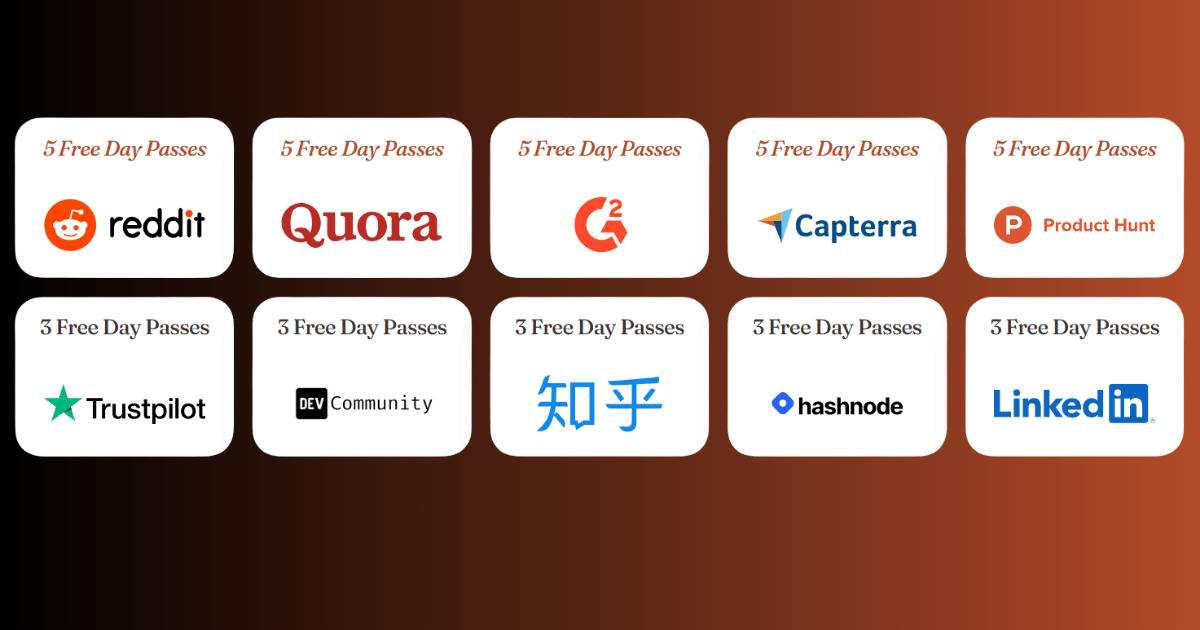
Get between 3 and 5 free Day Passes and check as many emails as you want. It’s literally unlimited.
The goal of this program is to allow you to test the TrustSender.io tool before purchasing Day Passes.
But it’s not free forever: You can make a maximum of 10 requests.
Each Day Pass allows you to check an unlimited number of emails within a 24-hour period.
If you have 5 Day Passes and use 1 per week, you will have enough for more than a month of email checks, which should be enough to keep your lists clean and up-to-date.
See details of the Bonus For Review Program at: TrustSender.io Bonus For Review Program
Related validation checks covered in this guide
- Email list validation free checks for small samples.
- Email list verification before campaign sends.
- Email list cleaning for cold outreach preparation.
- Bulk email verification for large files.
- Invalid email checker signals for suppression decisions.
- Disposable email checker and catch all email risk review.
- Email bounce rate reduction through better list hygiene.
FAQ
What does email list validation free mean?
Email list validation free usually means a limited check, trial allowance or sample validation that helps you test email addresses before paying for a larger workflow.
Can a free email validation check clean my whole list?
Yes, but only if the free allowance covers every address and the tool provides useful result categories. If the list is larger than the free limit, the remaining addresses still need validation.
Is sample validation enough before cold outreach?
No. Sample validation can help evaluate a tool, but cold outreach risk comes from the full list. Validate the entire file before a serious campaign.
What should I do with undeliverable results?
Suppress undeliverable results before outreach. Keeping them in the campaign can increase avoidable bounces and damage sender reputation signals.
What should I do with risky results?
Review risky results separately. You can segment them, recheck them later, suppress them or send with stricter limits depending on your campaign policy.
When should I use full bulk email verification?
Use full bulk email verification before major sends, cold outreach, CRM imports, old-list reactivation or any campaign where bounce risk could damage future sending performance.