











Free email validation tools can help you check whether an email list is safe enough to use before a campaign. They are useful when you want to test list quality, remove obvious invalid addresses and understand whether a deeper validation workflow is needed.
The challenge is that free tools are not all the same. Some tools check only basic syntax. Others also check domain records, disposable addresses, server response, catch-all behavior or risky categories. Some allow a few checks without signup. Others provide a limited monthly allowance after account creation.
This guide explains how to evaluate free email validation tools, what features matter before sending and how to avoid treating a free checker as a complete deliverability solution.
Quick answer
The best free email validation tools help you check syntax, domain validity, MX records, disposable addresses, risky addresses and list quality before sending. They are useful for small tests, samples and early cleanup. For large, old or cold lists, free validation should be treated as a starting point, not a guarantee of deliverability.
Key takeaways
- Free email validation tools are useful for testing list quality before sending.
- A good email checker should do more than detect whether an address contains an @ symbol.
- Useful checks include syntax validation, domain validation, MX record validation and disposable email detection.
- Free plans often have limits, so they may not be enough for large campaign files.
- Free validation can reduce obvious bounce risk, but it does not guarantee inbox placement.
- Deliverable, risky and undeliverable contacts should be handled as separate campaign groups.
What free email validation tools should actually check
Many people search for free email validation tools because they want a quick way to clean a list before sending. That is reasonable, but the word “free” should not be the only decision factor. The real question is what the tool can detect.
A basic validator may only check formatting. That helps catch malformed addresses, but it does not confirm whether the domain can receive mail or whether the address carries risk. A stronger email validation tool should provide more context before you decide to send.
At minimum, a practical tool should help with syntax validation, domain validation, MX record validation, disposable email detection and invalid email checking. For campaign preparation, the result should be easy to export and easy to interpret.
Free tools are useful, but limits matter
Free email verification is useful for testing a workflow, checking a sample or cleaning a small list. It can also help you compare how different tools classify the same addresses.
The limitation is volume and depth. Some tools are free only for single checks. Some offer limited monthly credits. Some hide bulk export or deeper results behind paid plans. That means a free tool can help you inspect quality, but it may not support the full operational workflow you need for a large campaign.
For example, the visible market includes tools such as Hunter.io, ZeroBounce, NeverBounce, Snov.io, Clearout, BriteVerify, MillionVerifier and EmailListVerify. They may differ in free limits, scoring logic, export options, bulk support and risk categories. Compare the workflow, not only the headline offer.
How to compare free email validation tools
| Evaluation point | Why it matters | What to look for |
|---|---|---|
| Free limit | Determines whether the tool can handle your real list size. | Check whether the free plan supports single checks, samples or bulk files. |
| Validation depth | Basic syntax alone is not enough for campaign risk. | Look for domain, MX, disposable and risky-category checks. |
| Bulk support | Large CSV files need operational handling. | Check upload, export and result segmentation. |
| Result categories | You need action-oriented output. | Prefer deliverable, risky and undeliverable groups. |
| Risk signals | Some addresses look valid but still carry campaign risk. | Check for catch-all, disposable, role-based and invalid signals. |
| Export quality | Your team needs usable output after validation. | Look for clean CSV exports and clear status fields. |
When a free tool is enough
A free email checker can be enough when the list is small, recent and low risk. This may include a short internal test list, a recent form export, a small event list or a limited sample from a larger file.
Free validation is also useful when you want to inspect a sample before making a bigger decision. If the sample contains many invalid or risky addresses, the full list probably needs a more structured email list cleaning process before any campaign.
The best use case is early diagnosis. Free tools can help you decide whether the list is clean enough for light use or risky enough to require deeper validation.
When free validation is not enough
Free validation may not be enough when the list is old, cold, purchased, scraped, exported from multiple systems or prepared for high-volume sending. These lists often contain addresses that look valid but still create operational risk.
Mailbox providers evaluate more than the address format. Gmail sender guidelines include requirements and recommendations around SPF, DKIM, DMARC, DNS, TLS, spam rates, unsubscribe handling and sending volume. See: Gmail sender guidelines.
This means email validation is only one part of campaign preparation. A clean list helps reduce avoidable bounces, but sender reputation also depends on consent, authentication, complaints, engagement and sending behavior.
A practical workflow before choosing a tool
1. Define the list type
Start by identifying where the list came from. A recent opt-in list has a different risk profile from a cold prospecting list, an old CRM export or a file merged from multiple sources.
2. Estimate the real list size
Free limits matter. If the list has 200 addresses, a free tool may be enough for testing. If it has 50,000 addresses, you need a workflow that supports bulk validation and clean exports.
3. Check whether bulk upload is supported
A free single-address checker is useful for quick tests, but it does not solve list cleaning at scale. For campaign work, bulk upload and CSV export are more important than a polished single-check screen.
4. Review result categories
The output should help you act. A good result file separates deliverable, risky and undeliverable contacts. If every result is vague, your team may still have to guess what to send.
5. Keep risky contacts separate
Risky addresses should not be mixed blindly with the clean campaign segment. Catch-all, role-based, disposable or uncertain results may require a different sending path or manual review.
How TrustSender.io helps
TrustSender.io helps teams validate large email lists before outreach by separating addresses into deliverable, risky and undeliverable outputs. This gives users a clearer operational decision before sending.
The Day Pass model is different from monthly subscriptions and per-email credit packs. During an active 24-hour validation window, users can check unlimited emails in the supported workflow.
TrustSender.io does not send campaigns and does not guarantee inbox placement. It focuses on email validation and list-cleaning decisions before a file is used in a sending platform.
Related TrustSender resources
- Bulk Email Verifier Free: How to Clean a List Before Sending
- Free Bulk Email Validation: How to Clean Large Lists Before Sending
- Validate List of Email Addresses: The Right Way Before You Send
- Your Guide to Email Validation Software
How to use TrustSender.io in free mode?
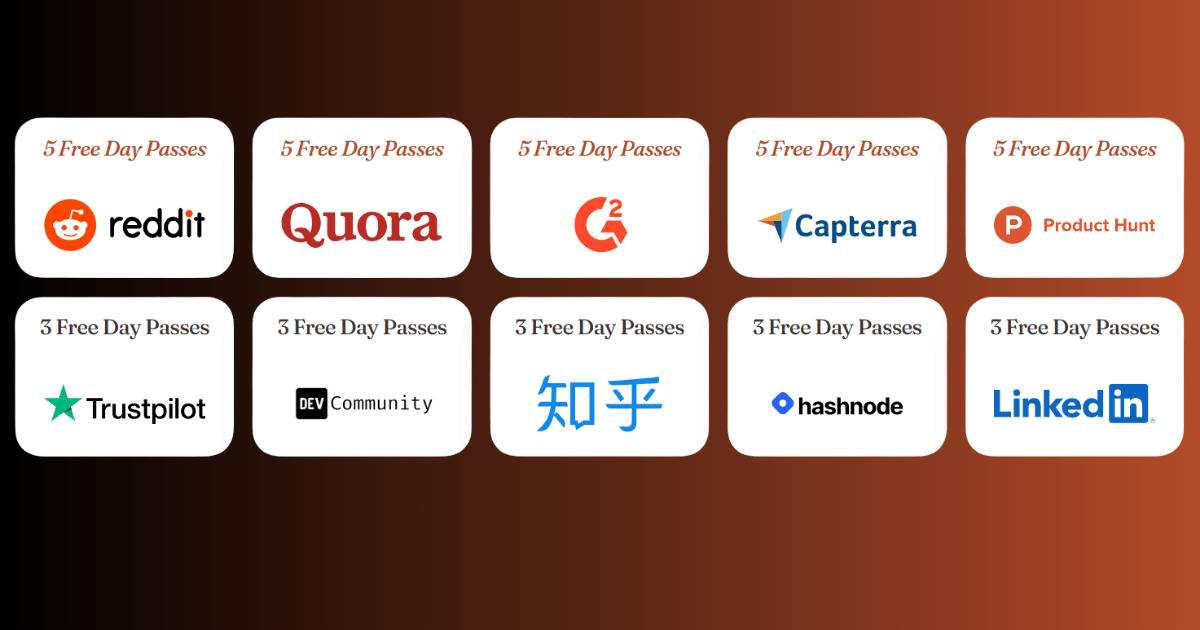
Get between 3 and 5 free Day Passes and check as many emails as you want. It’s literally unlimited.
The goal of this program is to allow you to test the TrustSender.io tool before purchasing Day Passes.
But it’s not free forever: You can make a maximum of 10 requests.
Each Day Pass allows you to check an unlimited number of emails within a 24-hour period.
If you have 5 Day Passes and use 1 per week, you will have enough for more than a month of email checks, which should be enough to keep your lists clean and up-to-date.
See details of the Bonus For Review Program at: TrustSender.io Bonus For Review Program
Related validation checks covered in this guide
- Syntax validation for malformed email addresses.
- Domain validation for inactive or mistyped domains.
- MX record validation for mail receiving configuration.
- Disposable email checker signals for temporary inboxes.
- Invalid email checker logic for addresses that should not be sent.
- Email list validation outputs for deliverable, risky and undeliverable contacts.
FAQ
What are free email validation tools?
Free email validation tools are tools that check email addresses without payment upfront. They can help detect malformed, invalid, disposable or risky addresses before sending.
Are free email validation tools accurate?
Accuracy depends on the depth of checks used by the tool. Basic syntax checks are limited. Stronger tools also check domain signals, MX records, disposable domains and risk categories.
Can I validate a large list for free?
Sometimes, but free plans usually have limits. Large files often require a workflow designed for bulk validation, exportable results and clear segmentation.
Do free validation tools guarantee deliverability?
No. They can reduce avoidable bounce risk, but deliverability also depends on authentication, sender reputation, consent, message quality, complaints and sending behavior.
What should I do with risky emails?
Risky emails should be separated from the main campaign list and reviewed. Some may be usable in controlled segments, while others should be excluded depending on your campaign risk tolerance.