











An email bounce checker helps you find addresses that are likely to fail before you send a campaign. Instead of discovering invalid contacts through real bounces, you can check your list first, separate risky records, and avoid sending to addresses that may hurt deliverability.
This matters because bounces are not just failed deliveries. They affect your email bounce rate, campaign reporting, sender reputation, and confidence in your list. If a campaign contains too many invalid or inactive contacts, mailbox providers may treat your sending behavior as careless.
The best email bounce checker is not always the tool with the longest feature list. It is the one that helps you make better pre-send decisions: which contacts are safe, which are risky, and which should be removed or suppressed.
Quick answer
An email bounce checker is a tool that reviews email addresses before sending and predicts which ones are likely to bounce. It usually checks syntax, domain validity, MX records, mailbox risk, disposable addresses, catch-all behavior, and other deliverability signals.
Use an email bounce checker before sending to old lists, imported CSV files, cold outreach lists, event leads, reactivation segments, or any audience that has not been validated recently.
Key takeaways
- An email bounce checker helps reduce avoidable bounces before a campaign.
- It should separate deliverable, risky, and undeliverable contacts.
- Syntax checks alone are not enough for serious list cleaning.
- Hard bounce risk should usually lead to suppression or removal.
- Soft bounce risk should be monitored and handled cautiously.
- The best workflow combines email validation, segmentation, and post-send bounce review.
What an email bounce checker does
An email bounce checker reviews addresses before a campaign and looks for signals that a message may fail. It does not send a real marketing email. Instead, it checks the address and domain to estimate risk.
A useful checker should look beyond basic formatting. A correctly formatted email can still be risky if the domain is inactive, the mailbox cannot be confirmed, the address is disposable, or the domain accepts every mailbox as catch-all.
A strong checker helps answer three practical questions:
- Is this address formatted correctly?
- Is the domain able to receive email?
- Should this contact be sent, reviewed, or suppressed?
That last question is the most important. Email validation is valuable because it turns raw list data into operational decisions.
Why bounce checking matters before campaigns
It protects email deliverability
High bounce rates can make your list look poorly maintained. Mailbox providers care about sending behavior. If you repeatedly send to invalid or abandoned addresses, your domain may look less trustworthy.
A cleaner list gives your campaign a better starting point.
It improves campaign reporting
If too many emails never reach real inboxes, campaign metrics become less useful. Open rate, click rate, conversion rate, and reply rate are harder to interpret when the list contains invalid addresses.
Removing undeliverable contacts helps you measure real audience response.
It reduces wasted sending volume
Every message sent to a bad address consumes sending capacity and reporting attention. For large CSV files, this waste can become significant.
Pre-send validation helps you avoid paying campaign costs for contacts that should not be sent.
It helps protect sender reputation
Sender reputation is influenced by many factors, including complaints, engagement, authentication, consistency, content, and list quality. Bounce checking focuses on the list-quality part.
It does not solve every deliverability problem, but it reduces a category of risk you can control before sending.
Features to look for in an email bounce checker
Syntax validation
Syntax validation checks whether an address follows a valid format. It catches obvious problems such as missing @, double dots, invalid characters, extra spaces, and incomplete domains.
This is the first layer, not the full solution.
Domain validation
Domain validation checks whether the domain exists and appears usable. For example, name@example.com can look valid, but if the domain does not exist or is expired, the address is not useful for sending.
MX record validation
MX records show whether a domain is configured to receive email. If a domain has no valid mail exchange records, delivery is unlikely.
MX record validation is especially important for business lists, cold outreach files, and imported contacts.
Hard bounce detection
A hard bounce checker helps identify addresses that are likely to fail permanently. These contacts should usually be removed or suppressed before sending.
Common causes include invalid mailboxes, deleted accounts, bad domains, or malformed addresses.
Soft bounce risk signals
Soft bounces are usually temporary, but repeated soft bounces can still become a list-quality problem. A good workflow should not treat every uncertain result as safe.
Risky or unknown results should be separated from clearly deliverable contacts.
Disposable and risky address detection
Disposable addresses, role-based emails, catch-all domains, and unusual patterns can all affect campaign quality.
These addresses are not always invalid, but they should not be treated exactly like normal deliverable contacts.
Clear export files
The tool should make the next step obvious. A useful result is not just a score. It should give you files or categories that support action:
- Send.
- Review.
- Suppress.
- Remove.
- Recheck later.
When to use an email bounce checker
Use a bounce checker before sending when the list has any risk.
Before sending to an old list
Old lists decay. People change jobs, companies close, domains expire, and inboxes are abandoned.
Validate the list before reactivation.
Before importing a CSV file
CSV uploads often contain duplicates, typos, formatting issues, and stale addresses. Clean the file before uploading it into a campaign platform.
Before cold outreach
Cold lists have higher risk because recipients may not know your brand and addresses may come from third-party sources.
Validation does not make cold outreach safe by itself, but it reduces avoidable bounce risk.
Before a high-volume campaign
The larger the send, the more damage a dirty list can cause. Validate high-volume files before launch, not after the bounce report.
After a bounce spike
If a campaign produced an unusually high email bounce rate, validate the remaining list before sending again.
A bounce spike is a warning, not just a report.
How to read bounce checker results
A good checker should not force every address into only “good” or “bad.” Email deliverability has gray areas.
| Result | Meaning | Recommended action |
|---|---|---|
| Deliverable | Address appears safe enough to send | Include in normal campaign segment |
| Undeliverable | Address is likely invalid or cannot receive mail | Remove or suppress |
| Risky | Address may be catch-all, role-based, disposable, or uncertain | Review or send cautiously |
| Unknown | The tool cannot confirm the mailbox confidently | Segment separately |
| Duplicate | Same address appears more than once | Keep one record |
| Malformed | Address has syntax problems | Remove or correct only from a trusted source |
The key is segmentation. Do not mix risky and deliverable contacts in the same campaign without review.
Email bounce checker vs email validation
In practice, the terms overlap. An email bounce checker is usually part of a broader email validation workflow.
The difference is mostly intent.
Email validation is the broader process of checking whether an address is usable and safe for your business workflow. An email bounce checker focuses specifically on reducing bounces before sending.
For TrustSender.io, the useful workflow is:
- Upload or paste your list.
- Validate addresses before the campaign.
- Separate deliverable, risky, and undeliverable results.
- Send only to the safest segment.
- Review risky contacts before deciding what to do.
- Keep undeliverable contacts out of future sends.
Mistakes to avoid
Relying only on your email platform’s bounce report
A bounce report is useful, but it arrives after the damage has already happened. Pre-send validation helps you avoid some of those bounces in the first place.
Sending to every “unknown” result
Unknown does not mean safe. Treat unknown or risky results as a separate segment.
Cleaning only once
List hygiene is not a one-time task. New contacts enter your database, old contacts decay, and risk changes over time.
Ignoring the source of bad addresses
If one signup form, import source, event list, or partner file creates most of the bounces, fix the source. Otherwise, the same problem will return.
Deleting without a suppression record
For hard bounces, suppression is often safer than simple deletion. It helps prevent the same address from being re-imported later.
How TrustSender.io helps
TrustSender.io helps teams check email lists before sending and separate addresses into practical result files.
For bounce prevention, TrustSender.io helps you:
- Identify invalid addresses before they create hard bounces.
- Separate risky contacts from safer contacts.
- Support email list cleaning before campaigns.
- Reduce avoidable email bounce rate risk.
- Prepare cleaner CSV files for email marketing workflows.
- Protect sender reputation with better list hygiene.
TrustSender.io does not guarantee inbox placement. No email checker can do that. Inbox placement also depends on authentication, complaints, engagement, content, sending behavior, and mailbox-provider filtering.
But a cleaner list gives every campaign a better foundation.
Related TrustSender resources
- What Is Email Bounce
- Emails Bounce Back
- Hard Bounce Email
- Soft Bounce vs Hard Bounce Email
- Email Bounce Rate Benchmarks
- Email Validation Checker
How to use TrustSender.io in free mode?
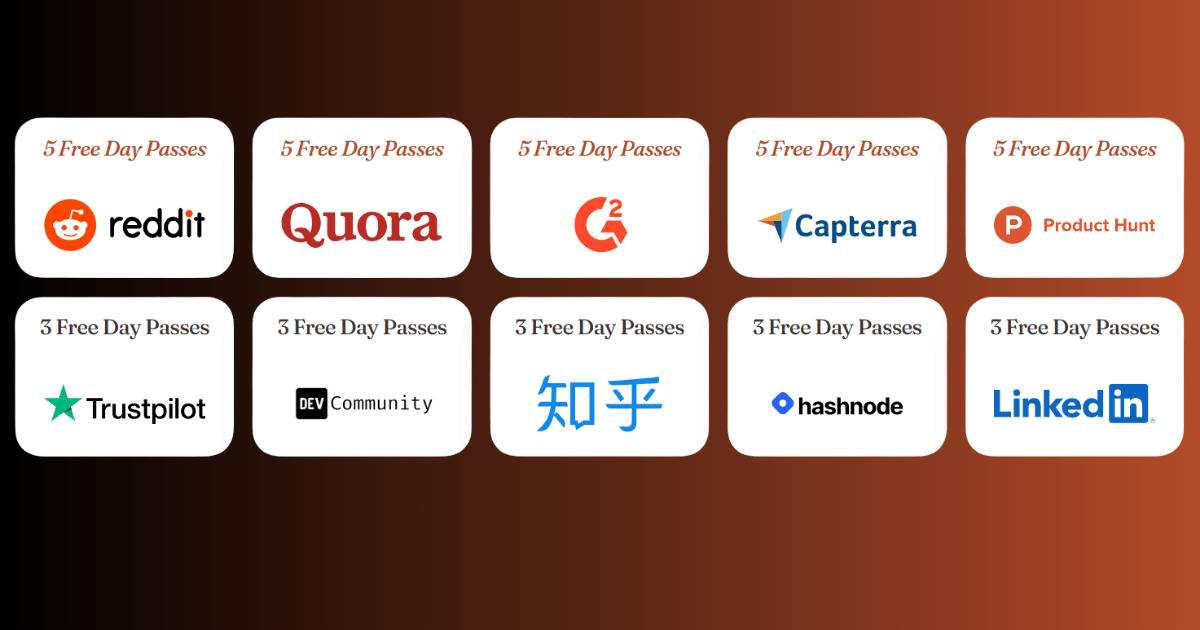
Get between 3 and 5 free Day Passes and check as many emails as you want. It’s literally unlimited.
The goal of this program is to allow you to test the TrustSender.io tool before purchasing Day Passes.
But it’s not free forever: You can make a maximum of 10 requests.
Each Day Pass allows you to check an unlimited number of emails within a 24-hour period.
If you have 5 Day Passes and use 1 per week, you will have enough for more than a month of email checks, which should be enough to keep your lists clean and up-to-date.
See details of the Bonus For Review Program at: TrustSender.io Bonus For Review Program
Related validation checks covered in this guide
- Syntax validation.
- Domain validation.
- MX record validation.
- Invalid email checker.
- Email bounce checker.
- Email bounce detection.
- Hard bounce checker.
- Soft bounce checker.
- Email list cleaning.
- Sender reputation protection.
FAQ
What is an email bounce checker?
An email bounce checker is a tool that checks email addresses before sending and identifies contacts that are likely to bounce, fail, or create deliverability risk.
Is an email bounce checker the same as email validation?
It is closely related. Email validation is the broader process. Bounce checking focuses specifically on reducing bounces before campaigns.
Can a bounce checker guarantee delivery?
No. A bounce checker can reduce avoidable risk, but it cannot guarantee inbox placement. Delivery also depends on sender reputation, authentication, content, complaints, and mailbox-provider filtering.
Should I send to risky results?
Send cautiously. Risky contacts should be reviewed or segmented separately. Do not mix them with your cleanest deliverable segment without a reason.
How often should I check my list?
Check before major campaigns, before sending to old lists, after importing CSV files, after bounce spikes, and regularly for lists that grow over time.
How does TrustSender.io help?
TrustSender.io validates email lists and separates addresses into deliverable, risky, and undeliverable outputs so you can reduce avoidable bounce risk before sending.