











Email list cleaning is the process of removing or separating addresses that should not go into your next campaign. That includes duplicates, malformed addresses, invalid domains, disposable inboxes, outdated contacts, previous bounces, unsubscribed people and risky records that need review.
A list can look healthy in a spreadsheet and still create delivery problems. Old CRM exports, cold prospecting lists, event files and merged marketing databases often contain addresses that are no longer useful or safe to send.
This guide explains how to clean an email list before sending, what to remove, what to validate and how to use the results without treating validation as a guarantee of inbox placement.
Quick answer
Email list cleaning means preparing a list before sending by removing duplicates, invalid addresses, unsubscribed contacts, previous bounces and obvious risk signals. A practical workflow also uses email validation to classify deliverable, risky and undeliverable contacts. Cleaning reduces avoidable bounce risk, but deliverability still depends on authentication, consent, sender reputation and campaign quality.
Key takeaways
- Email list cleaning should happen before campaigns, not only after bounce problems appear.
- Basic cleanup removes duplicates, blank rows, malformed addresses and old suppression records.
- Email validation adds stronger checks such as syntax validation, domain validation and risk classification.
- Risky contacts should be separated from the main campaign segment.
- Hard bounces, complaints and poor list hygiene can damage sender reputation.
- A clean email list supports email deliverability, but it does not guarantee inbox placement.
Why email list cleaning matters before campaigns
Email campaigns do not fail only because of weak copy or poor timing. They can also fail because the list itself is unhealthy. Invalid addresses create bounces. Unengaged contacts lower response signals. People who did not expect your message may complain. Disposable addresses and role-based inboxes can reduce the quality of your audience.
Mailbox providers also evaluate sender behavior over time. Gmail’s sender guidelines include requirements around authentication, DNS, TLS, spam rates, unsubscribe handling and sending volume. See: Gmail sender guidelines.
That is why email list cleaning should be part of campaign preparation. The goal is not to create a perfect list. The goal is to remove avoidable risk before your sending platform sees the file.
What to remove during email list cleaning
A useful cleanup process starts with records that clearly should not be sent. These are usually easy to identify and should be removed before deeper email verification.
| List issue | Why it matters | Recommended action |
|---|---|---|
| Duplicates | They distort list size and reporting. | Keep one version of each address. |
| Blank or broken rows | They create import noise and processing errors. | Remove before validation. |
| Malformed addresses | They are unlikely to be usable for sending. | Correct obvious typos or remove. |
| Previous hard bounces | Repeated attempts can damage reputation. | Suppress or remove from future sends. |
| Unsubscribed contacts | Sending again can create complaints and compliance risk. | Keep suppressed permanently unless consent changes. |
| Disposable emails | Temporary inboxes usually provide low-quality engagement. | Exclude from serious campaign lists. |
Email list cleaning vs email validation
Email list cleaning is the broader preparation process. It includes deduplication, formatting, suppression management, consent review and segmentation. Email validation is a technical layer inside that process.
Email validation checks whether an address is likely to be usable, risky or undeliverable. It can include syntax validation, domain validation, MX record checks, disposable email detection and other signals that help classify addresses before sending.
The two processes work best together. Manual cleanup removes obvious problems. Validation helps detect risk that is not visible in a spreadsheet.
A practical email list cleaning workflow
1. Start with one source file
Export one clean file before making changes. Keep one email address per row and one email column. If the list came from multiple tools, create a backup before merging and cleaning.
2. Remove duplicates and obvious formatting issues
Remove repeated addresses, blank rows, spaces inside addresses and broken exports. This first pass reduces noise before any email checker processes the file.
3. Apply suppression rules
Remove unsubscribed contacts, previous complaints and known hard bounces. AWS SES documentation explains that hard bounces are persistent delivery failures and recommends not making repeated delivery attempts to hard-bouncing addresses. See: AWS SES guidance on hard bounces.
4. Validate the cleaned list
Run email validation after basic cleanup. This helps detect syntax problems, invalid domains, missing mail records, disposable addresses and other risk signals that manual cleanup may miss.
5. Segment the output
Do not send every validated address the same way. Separate deliverable, risky and undeliverable contacts. Use the clean segment for normal campaign planning and review risky contacts separately.
6. Track what happens after sending
List cleaning should improve future decisions. Track bounces, complaints, unsubscribes and engagement after each campaign. Those signals become part of the next cleanup cycle.
How often should you clean an email list?
Clean the list before every important campaign when the source or age of the data is uncertain. You should also clean before reactivating an old audience, importing a CRM export, sending a cold outreach campaign or using a list collected from multiple systems.
For active outbound teams, email hygiene should be ongoing. Lists decay as people change jobs, domains expire, inboxes are abandoned and companies change their email infrastructure.
If a campaign produces unexpected bounces or complaints, clean the list again before the next send. Do not keep sending to the same segment until you understand what went wrong.
How to handle risky contacts
Risky does not always mean useless. A risky address may belong to a catch-all domain, a role-based inbox or a domain that cannot be fully confirmed. Some risky contacts may still be valuable, but they should not be mixed blindly with cleaner addresses.
For safer campaign planning, keep risky contacts in a separate segment. Review them manually, test smaller batches or exclude them when sender reputation is more important than maximum reach.
Common email list cleaning mistakes
- Cleaning only after a campaign has already bounced heavily.
- Deleting duplicates but ignoring previous bounce and complaint history.
- Assuming that a valid-looking address is safe to email.
- Mixing risky contacts into the main campaign segment.
- Using validation as a substitute for consent.
- Sending to a large old list without testing or segmentation.
How TrustSender.io helps
TrustSender.io helps teams clean and validate large email lists before outreach by separating results into deliverable, risky and undeliverable outputs. This gives users a clearer way to decide which contacts should be sent, reviewed or excluded.
The Day Pass model is designed for users who need a practical validation window instead of a monthly subscription or per-email credit pack. During an active 24-hour period, users can check unlimited emails in the supported workflow.
TrustSender.io does not send campaigns and does not guarantee inbox placement. It focuses on email validation and list-cleaning decisions before a file is used in a sending platform.
Related TrustSender resources
- Free Email Validation Tools: How to Choose Before You Send
- Bulk Email Verifier Free: How to Clean a List Before Sending
- Free Bulk Email Validation: How to Clean Large Lists Before Sending
- Validate List of Email Addresses: The Right Way Before You Send
How to use TrustSender.io in free mode?
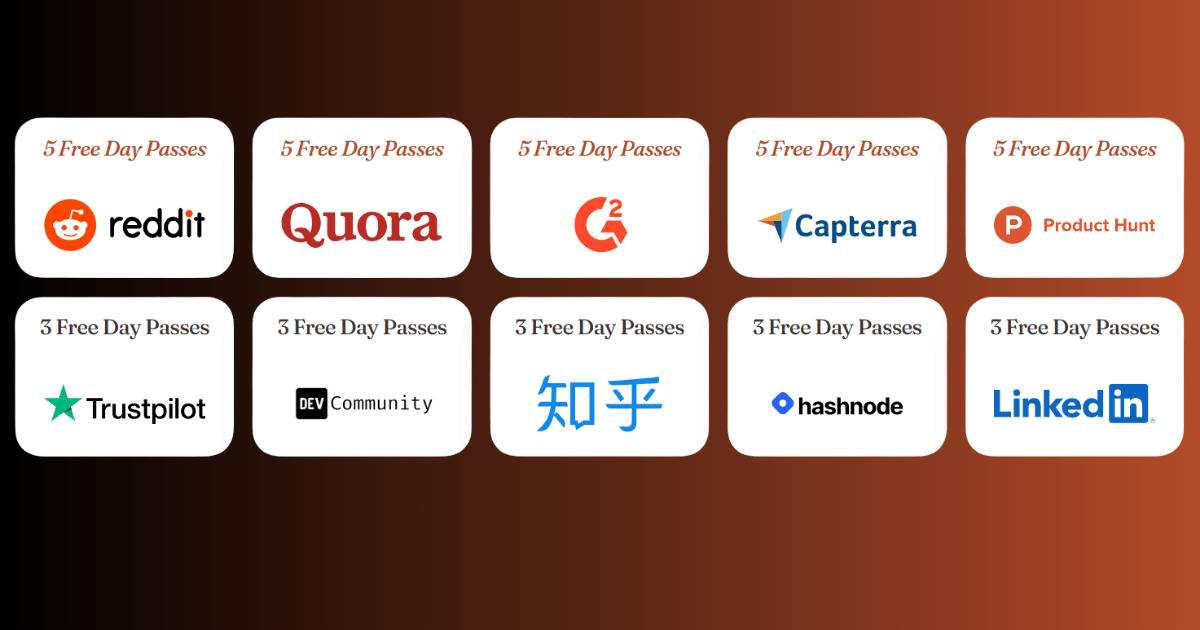
Get between 3 and 5 free Day Passes and check as many emails as you want. It’s literally unlimited.
The goal of this program is to allow you to test the TrustSender.io tool before purchasing Day Passes.
But it’s not free forever: You can make a maximum of 10 requests.
Each Day Pass allows you to check an unlimited number of emails within a 24-hour period.
If you have 5 Day Passes and use 1 per week, you will have enough for more than a month of email checks, which should be enough to keep your lists clean and up-to-date.
See details of the Bonus For Review Program at: TrustSender.io Bonus For Review Program
Related validation checks covered in this guide
- Syntax validation for malformed email addresses.
- Domain validation for inactive or mistyped domains.
- Disposable email checker signals for temporary inboxes.
- Invalid email checker logic for contacts that should not be sent.
- Suppression handling for hard bounces, complaints and unsubscribes.
- Email list validation outputs for deliverable, risky and undeliverable contacts.
FAQ
What is email list cleaning?
Email list cleaning is the process of removing or separating contacts that should not be included in a campaign. This includes duplicates, invalid addresses, unsubscribed people, previous bounces and risky records.
Is email list cleaning the same as email validation?
No. Email list cleaning is the broader preparation process. Email validation is a technical step that helps classify addresses as deliverable, risky or undeliverable.
How often should I clean my email list?
Clean your list before important campaigns, before reactivating old contacts and after unexpected bounce or complaint spikes. Active outbound teams should treat cleaning as an ongoing workflow.
Does a clean email list guarantee deliverability?
No. A clean list reduces avoidable risk, but deliverability also depends on authentication, sender reputation, consent, message quality, complaints, engagement and sending behavior.
Should risky emails be deleted?
Not always. Risky emails should usually be separated and reviewed. Some may be usable in a controlled segment, while others should be excluded depending on campaign risk tolerance.