











Email sender reputation is the trust mailbox providers attach to your sending domain, IP, and sending behavior over time. It affects whether your messages reach the inbox, land in spam, get throttled, or fail before recipients ever see them.
For most teams, reputation problems do not start with one bad campaign. They build slowly through weak list hygiene, high bounce rates, spam complaints, low engagement, poor segmentation, inconsistent sending volume, and technical trust gaps.
The safest way to protect email sender reputation is to improve the quality of what you send before you send it. That means validating lists, suppressing risky contacts, separating high-risk segments, authenticating your domain, and monitoring the signals that mailbox providers care about.
Quick answer
Email sender reputation is a trust signal based on how your domain and sending infrastructure behave over time. Mailbox providers look at bounces, complaints, engagement, authentication, sending consistency, and list quality.
To protect it, clean your list before campaigns, remove invalid addresses, keep bounce rates low, avoid complaint-prone segments, authenticate your domain, warm up volume gradually, and monitor provider feedback after each send.
Key takeaways
- Email sender reputation is built through repeated sending behavior.
- List quality directly affects reputation because invalid addresses create bounces and weak engagement.
- Authentication is required, but it does not fix bad data or poor targeting.
- Large sends to old or unvalidated lists can damage trust quickly.
- Reputation recovery is slower than reputation damage.
- TrustSender.io helps reduce avoidable list-quality risks before campaigns.
What is email sender reputation?
Email sender reputation is the level of trust mailbox providers assign to a sender. It is not a single universal score. It is a collection of signals tied to your domain, IP address, sending patterns, authentication, recipient reactions, and list quality.
Mailbox providers are trying to answer a simple question: should this sender be trusted with inbox placement?
If the answer is yes, your messages have a better chance of reaching the inbox. If the answer is no, your messages may be filtered, delayed, sent to spam, or blocked.
Sender reputation is usually influenced by:
- Hard bounces.
- Soft bounce patterns.
- Spam complaints.
- Engagement signals.
- List source quality.
- Authentication status.
- Sending volume changes.
- Domain and IP history.
- Message relevance.
- Unsubscribe behavior.
The important point is that reputation is cumulative. One clean send does not erase months of poor list hygiene. A healthy sending program needs repeated evidence of control.
Why email sender reputation matters
Email teams often focus on copy, subject lines, timing, or design. Those details matter, but they do not help much if mailbox providers already distrust the sender.
A poor reputation can affect:
- Inbox placement.
- Open rates.
- Click rates.
- Reply rates.
- Campaign revenue.
- Product notifications.
- Password reset reliability.
- Cold outreach performance.
- Newsletter growth.
- Sender domain health.
This is why email deliverability is not only a marketing problem. It is an operational asset. If your domain becomes less trusted, every future campaign works harder.
The list-quality signals that hurt reputation
High hard bounce rates
Hard bounces tell providers that you are sending to addresses that should not have been mailed. This can happen when lists are old, scraped, purchased, imported without review, or collected from low-quality forms.
A high hard bounce rate is one of the clearest signs of weak email hygiene.
Repeated soft bounces
A soft bounce is usually temporary, but repeated soft bounces can still signal trouble. A mailbox may be full, a server may be deferring your traffic, or a provider may be cautious about your sending behavior.
Repeated soft bounce patterns should be segmented and reviewed.
Invalid and stale addresses
Invalid addresses waste sending volume and make campaigns look careless. Stale addresses are also risky because people change jobs, companies close, domains expire, and abandoned inboxes stop engaging.
Email validation helps identify many of these contacts before sending.
Low engagement
Mailbox providers care whether recipients interact with your mail. If a large segment never opens, clicks, replies, or engages, future sends may look less wanted.
Old non-engagers should not receive the same volume and cadence as recent active users.
Spam complaints
A spam complaint is a direct negative signal. It tells the mailbox provider that the recipient did not want the message.
Complaints often come from poor targeting, unclear consent, misleading subject lines, excessive frequency, weak unsubscribe handling, or sending to people who forgot who you are.
Authentication helps, but it is not enough
SPF, DKIM, and DMARC help prove that your domain is allowed to send the message and that the message has not been altered in transit. These records are now baseline requirements for serious senders.
But authentication does not guarantee inbox placement.
A fully authenticated sender can still have poor reputation if the list contains invalid addresses, complaints are high, engagement is weak, or volume changes look suspicious.
Think of authentication as identity. Think of sender reputation as behavior.
You need both.
How to protect email sender reputation before a campaign
1. Validate the list before sending
Do not let unverified contacts go directly into a campaign. This is especially important for:
- Old lists.
- Imported CSV files.
- Event leads.
- Cold outreach lists.
- Partner-supplied data.
- Reactivation segments.
- Free trial contacts with low intent.
Run validation first, then separate deliverable, risky, and undeliverable contacts.
2. Remove or suppress invalid contacts
Undeliverable addresses should not stay in active sending. Hard bounces, malformed addresses, invalid domains, and known bad contacts belong in suppression or removal workflows.
Suppression is often better than deletion because it prevents the same address from being re-imported later.
3. Segment risky contacts
Risky does not always mean useless. It means uncertain.
Catch-all addresses, role-based addresses, disposable addresses, and unknown results should not be mixed with the cleanest campaign segment. Put them in a separate file or workflow.
Send to risky contacts only when the context justifies the risk.
4. Start with engaged contacts
When launching a campaign, testing a new domain, or recovering reputation, send first to the safest audience.
Recent engagers usually provide stronger signals than cold, old, or uncertain records. This helps mailbox providers see positive behavior before you expand.
5. Avoid sudden volume spikes
Large, unexpected changes can look suspicious. If you normally send a small volume, do not suddenly send a large campaign to an untested list.
Increase volume gradually, monitor bounces and complaints, and pause when negative signals rise.
6. Keep unsubscribe easy
A difficult unsubscribe process often turns into spam complaints. Make opt-out clear, fast, and reliable.
When recipients can leave easily, they are less likely to punish your sender reputation through the spam button.
7. Separate high-risk streams
Transactional emails, lifecycle campaigns, newsletters, and cold outreach should not all carry the same risk.
If cold outreach creates complaints, password resets and receipts should not absorb the damage. Separate domains, subdomains, platforms, or sending pools when scale and risk justify it.
A practical sender reputation checklist
Use this checklist before important sends:
| Check | Why it matters | Action |
|---|---|---|
| List validated | Reduces invalid contacts | Run email validation before upload |
| Hard bounces suppressed | Prevents repeated failures | Remove from active sends |
| Risky contacts isolated | Protects clean segments | Export risky records separately |
| Authentication reviewed | Confirms sender identity | Check SPF, DKIM, DMARC |
| Volume controlled | Avoids suspicious spikes | Ramp gradually |
| Unsubscribe tested | Reduces complaints | Confirm opt-out works |
| Recent engagement prioritized | Improves early signals | Send to active users first |
| Bounce rate monitored | Reveals data issues | Review after each campaign |
| Complaint spikes reviewed | Protects reputation | Pause weak segments |
| Source quality tracked | Finds bad inputs | Label lists by origin |
This is not a one-time checklist. It should become part of campaign operations.
How to monitor reputation after sending
Reputation protection continues after the campaign.
Watch:
- Bounce rate by list source.
- Hard bounce count.
- Soft bounce patterns.
- Spam complaint rate.
- Unsubscribe rate.
- Engagement by segment.
- Provider-specific issues.
- Authentication failures.
- Delivery errors.
- Sudden performance changes.
Do not look only at aggregate campaign metrics. A campaign may look acceptable overall while one domain, provider, country, list source, or lead vendor creates most of the risk.
Good monitoring asks: where did the bad signals come from?
How TrustSender.io helps
TrustSender.io helps teams protect sender reputation by improving email list quality before campaigns.
Instead of sending to every contact and waiting for bounces, you can validate the list first and separate results into practical outputs.
TrustSender.io helps you:
- Identify invalid contacts before they create hard bounces.
- Separate risky records from safer contacts.
- Support email list cleaning before large campaigns.
- Reduce avoidable email bounce rate pressure.
- Prepare cleaner CSV files for email platforms.
- Improve email hygiene before sending.
- Protect sender reputation with better list control.
TrustSender.io does not guarantee inbox placement. No email checker can guarantee that. Inbox placement also depends on authentication, complaint rates, content, engagement, sending volume, mailbox-provider filtering, and domain history.
But cleaner list data gives your reputation a safer foundation.
Related TrustSender resources
- Yahoo Email Restrictions
- Email Bounce Rate Benchmarks
- Emails Bounce Back
- Email Bounce Checker
- Hard Bounce Email
- Email Validation Checker
How to use TrustSender.io in free mode?
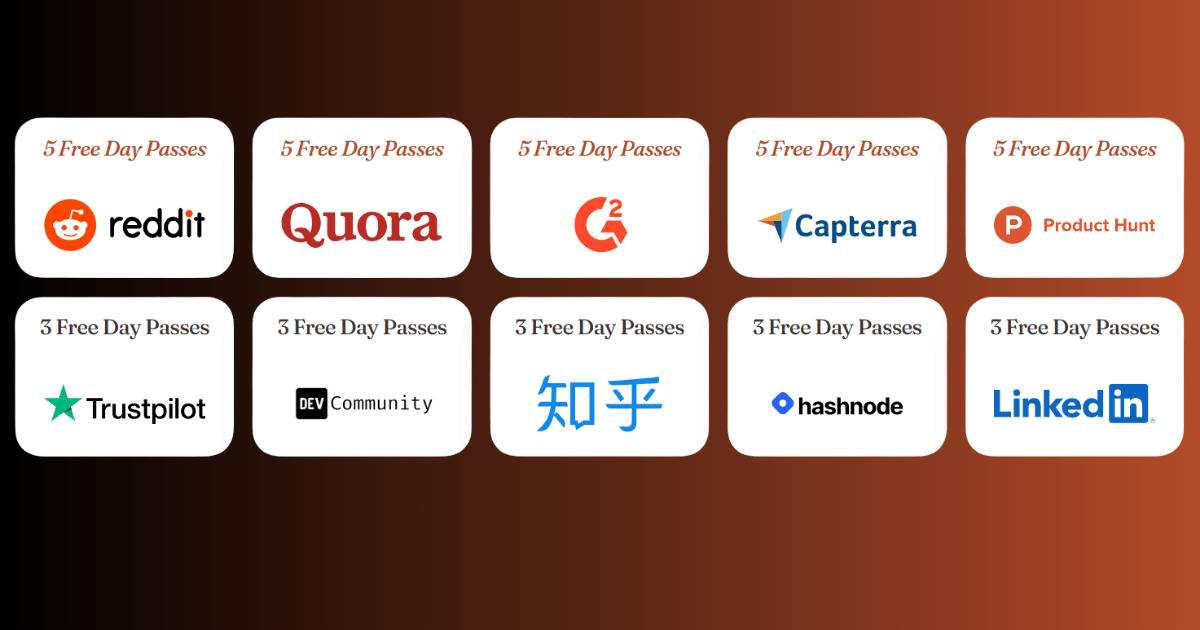
Get between 3 and 5 free Day Passes and check as many emails as you want. It’s literally unlimited.
The goal of this program is to allow you to test the TrustSender.io tool before purchasing Day Passes.
But it’s not free forever: You can make a maximum of 10 requests.
Each Day Pass allows you to check an unlimited number of emails within a 24-hour period.
If you have 5 Day Passes and use 1 per week, you will have enough for more than a month of email checks, which should be enough to keep your lists clean and up-to-date.
See details of the Bonus For Review Program at: TrustSender.io Bonus For Review Program
Related validation checks covered in this guide
- Email list validation.
- Email list cleaning.
- Syntax validation.
- Domain validation.
- MX record validation.
- Invalid email checker.
- Email bounce checker.
- Email bounce detection.
- Risky email classification.
- Sender reputation protection.
FAQ
What is email sender reputation?
Email sender reputation is the trust mailbox providers assign to your domain, IP, and sending behavior. It affects whether emails reach the inbox, spam folder, or get blocked.
What hurts email sender reputation?
High bounce rates, spam complaints, low engagement, invalid contacts, poor authentication, sudden volume spikes, and weak list hygiene can all hurt sender reputation.
Can email validation improve sender reputation?
Email validation can help protect sender reputation by reducing avoidable bounces and separating risky contacts before sending. It does not guarantee inbox placement.
How often should I clean my list?
Clean lists before major campaigns, before sending to old contacts, after importing CSV files, after bounce spikes, and regularly for growing databases.
Should I send to risky contacts?
Risky contacts should be separated from the main campaign. Review them, test cautiously, or suppress them depending on the source, context, and campaign risk.
How does TrustSender.io help protect reputation?
TrustSender.io validates email lists and separates deliverable, risky, and undeliverable contacts so you can reduce avoidable bounce risk and maintain better list hygiene.