











Yahoo email restrictions are not just a technical problem. They are a signal that mailbox providers now expect senders to prove three things: who they are, whether people want their messages, and whether their lists are clean enough to send at scale.
For marketing teams, SaaS operators, cold email teams, and newsletter senders, this changes the preparation process. You cannot rely only on a good subject line or a well-written offer. Your domain authentication, complaint rate, unsubscribe handling, sending pace, and email list cleaning process all affect whether your messages have a chance to reach the inbox.
Yahoo is not the only provider moving in this direction. Gmail sender requirements have also pushed senders toward stricter authentication, one-click unsubscribe, lower spam complaints, and better list quality. The practical lesson is clear: if you want stable email deliverability, your sending operation needs to be cleaner before the campaign begins.
Quick answer
Yahoo email restrictions are sender-side rules and filtering expectations that can affect whether your messages are accepted, throttled, bounced, or sent to spam.
To reduce risk, authenticate your domain, keep complaints low, make unsubscribe easy, avoid sudden volume spikes, remove invalid addresses, and validate risky lists before sending. A clean list will not guarantee inbox placement, but it reduces avoidable signals that can damage sender reputation.
Key takeaways
- Yahoo restrictions are part of a broader shift toward stricter mailbox-provider enforcement.
- Authentication matters, but it does not solve list quality or complaint problems on its own.
- Senders should treat Yahoo, Gmail, and similar mailbox providers as reputation systems, not simple delivery endpoints.
- Email list cleaning helps reduce bounces, stale contacts, risky addresses, and avoidable complaint pressure.
- One-click unsubscribe and fast opt-out handling are now operational requirements for serious senders.
- A validation workflow helps separate deliverable, risky, and undeliverable contacts before campaigns.
What Yahoo email restrictions mean for senders
Yahoo email restrictions refer to the rules, filtering signals, and sender expectations that affect messages sent to Yahoo Mail and related mailbox environments. Some restrictions are technical, such as authentication checks. Others are behavioral, such as spam complaints, sending volume, bounce patterns, and engagement quality.
The important point is that Yahoo does not judge a campaign in isolation. It evaluates the sending domain, the sending infrastructure, recipient feedback, list quality, message behavior, and sending consistency.
This means a campaign can fail even when the email content looks good. If your domain is not authenticated, your list is stale, your unsubscribe process is weak, or your Yahoo segment produces too many bounces, the message may be blocked, deferred, or filtered.
Why Yahoo and Gmail rules changed how email teams work
Mailbox providers are under pressure to reduce spam, phishing, spoofing, and unwanted bulk email. That is why sender identity, recipient consent, and reputation signals are now more important.
For senders, this creates a new baseline. It is no longer enough to say, “We are using a known email platform.” You need to make sure your own domain and list practices are aligned with current expectations.
A modern sending checklist should include:
- SPF, DKIM, and DMARC review.
- Domain and DNS hygiene.
- List validation before large sends.
- Clear unsubscribe handling.
- Spam complaint monitoring.
- Bounce monitoring by mailbox provider.
- Controlled sending volume.
- Suppression of invalid, risky, and inactive contacts.
Yahoo restrictions are therefore not just “Yahoo problems.” They are a reminder that inbox providers are becoming less tolerant of weak sending operations.
The main Yahoo email restrictions to prepare for
1. Sender authentication
Authentication proves that the message is allowed to come from your domain or sending system. The key records are SPF, DKIM, and DMARC.
SPF helps receiving servers check whether a sending server is allowed to send on behalf of a domain. DKIM adds a cryptographic signature to help verify that the message was authorized and not changed in transit. DMARC tells receiving servers how to evaluate alignment and what to do when authentication fails.
If authentication is incomplete or inconsistent across tools, Yahoo may see the message as suspicious. This is especially common when a business uses multiple systems for newsletters, product notifications, CRM messages, billing, support, and cold outreach.
2. Spam complaint control
A low complaint rate is one of the most important deliverability signals. If too many recipients mark your messages as spam, mailbox providers can reduce trust in your domain.
This is why relevance and consent matter. Sending to people who did not expect your email increases complaint risk, even if the address itself is technically valid.
3. Easy unsubscribe
Recipients should not have to search for a way to opt out. If leaving your list is difficult, some people will use the spam button instead.
For marketing and subscribed messages, one-click unsubscribe is now part of the expected sender workflow. You should also process opt-outs quickly and keep suppression lists accurate.
4. Stable sending volume
Sudden spikes can look risky. If a domain normally sends a small volume and suddenly sends a large campaign, mailbox providers may throttle, defer, or filter the traffic until the pattern looks safer.
A better approach is to ramp gradually, monitor results, and increase volume only when bounce and complaint signals remain healthy.
5. List quality and bounce control
A dirty list can trigger multiple problems at once: hard bounces, soft bounces, inactive recipients, complaints, and low engagement.
Email validation and email list cleaning help reduce this risk before sending. The goal is not only to remove invalid addresses. The goal is to separate safe contacts from risky ones so you do not send every address with the same confidence.
Why list quality matters for Yahoo deliverability
Yahoo restrictions are often discussed as authentication requirements, but list quality is just as important.
A fully authenticated email can still perform badly if the list contains outdated Yahoo addresses, inactive contacts, invalid addresses, fake signups, or recipients who never asked to hear from you.
List quality affects:
- Email bounce rate.
- Complaint risk.
- Sender reputation.
- Engagement signals.
- Suppression decisions.
- Campaign reporting accuracy.
If your Yahoo segment performs worse than other providers, do not assume the message copy is the only problem. Segment by mailbox provider and review bounce patterns, complaints, inactivity, and age of contact.
A Yahoo deliverability checklist before sending
Use this checklist before sending a large campaign.
Check authentication
Confirm that every sending source is authenticated. Do not only check the main domain. Review every platform that sends email for your brand.
That includes:
- Marketing automation.
- Newsletter platform.
- Sales outreach tool.
- CRM.
- Support desk.
- Product notifications.
- Billing and receipts.
- Affiliate or partner systems, if used.
One forgotten sending source can create intermittent failures.
Validate the list
Before sending to an old, cold, imported, or high-volume list, run email validation. Separate contacts into practical groups:
- Deliverable contacts.
- Risky contacts.
- Undeliverable contacts.
Do not send risky and clearly deliverable addresses in the same way. Risky contacts deserve slower testing, review, or suppression depending on the campaign.
Remove obvious problems
Suppress addresses that already bounced, unsubscribed, complained, or should not receive email. Remove malformed records, duplicates, and known invalid addresses.
This protects both campaign performance and sender reputation.
Watch Yahoo-specific bounces
A campaign-wide bounce rate can hide provider-specific problems. A list may look acceptable overall while the Yahoo segment is producing a high number of bounces or deferrals.
Track Yahoo separately when possible.
Make unsubscribe clear
Include a visible unsubscribe link in the body of marketing emails. Also support the technical unsubscribe mechanisms required by your sending platform and mailbox-provider expectations.
A clear unsubscribe path reduces the chance that frustrated recipients will report your message as spam.
Avoid aggressive retries
If Yahoo defers or throttles messages, do not keep retrying aggressively. Reduce volume, inspect the cause, and resume carefully.
Repeated retries can turn a temporary issue into a stronger negative signal.
What to do when Yahoo emails bounce or get blocked
Start with diagnosis before changing everything.
If you see authentication errors
Pause sending from the affected stream and review SPF, DKIM, and DMARC. Check the exact platform that generated the error, not just the domain’s general DNS records.
A domain can have records published and still fail alignment in a real message.
If you see repeated soft bounces
Separate those contacts temporarily. Do not retry them in every campaign. Track whether the issue repeats and whether it is concentrated in older Yahoo contacts.
Repeated soft bounces can still hurt campaign quality.
If you see hard bounces
Suppress those addresses from normal sending. Hard bounces usually indicate permanent failure, such as a non-existent mailbox or invalid domain.
If complaints increase
Reduce send volume and review list source, consent, targeting, frequency, content relevance, and unsubscribe friction.
A complaint problem is rarely solved only by changing DNS records.
If engagement collapses
Check whether the list segment is stale. Old Yahoo contacts with no recent interaction may be dragging down performance.
Reactivation should start with validation and segmentation, not a full-list blast.
How TrustSender.io helps
TrustSender.io helps teams prepare cleaner email lists before they send. Instead of uploading every contact into a campaign platform and waiting for bounces, you can validate the list first and separate results into practical categories.
For Yahoo deliverability preparation, TrustSender.io helps you:
- Identify undeliverable contacts before they become campaign bounces.
- Separate risky contacts from safer contacts.
- Reduce avoidable email bounce rate pressure.
- Prepare cleaner CSV files for campaign platforms.
- Improve list hygiene before major sends.
- Support sender reputation protection with better data.
TrustSender.io does not replace SPF, DKIM, DMARC, one-click unsubscribe, or good sending behavior. It also does not guarantee inbox placement. No email checker can promise that.
Its role is specific and practical: help you avoid sending to addresses that should be removed, reviewed, or treated as risky before the campaign begins.
Related TrustSender resources
- Email Bounce Rate Benchmarks
- What Is Email Bounce
- Bounced Email
- Hard Bounce Email
- Email Validation Checker
- Free Email List Validation
How to use TrustSender.io in free mode?
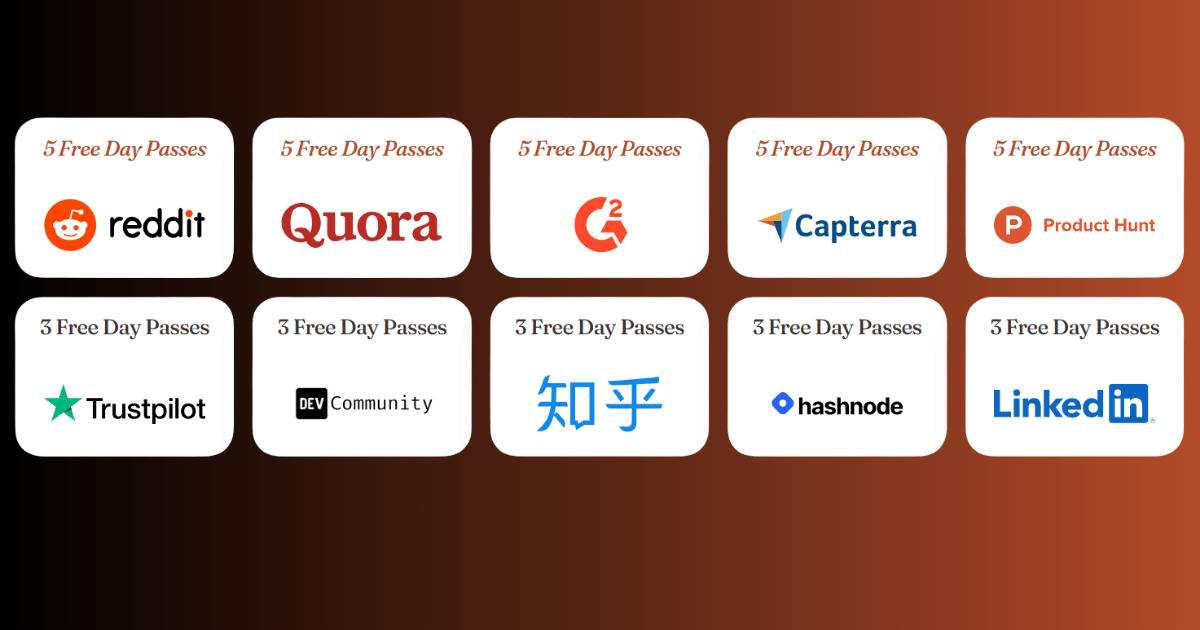
Get between 3 and 5 free Day Passes and check as many emails as you want. It’s literally unlimited.
The goal of this program is to allow you to test the TrustSender.io tool before purchasing Day Passes.
But it’s not free forever: You can make a maximum of 10 requests.
Each Day Pass allows you to check an unlimited number of emails within a 24-hour period.
If you have 5 Day Passes and use 1 per week, you will have enough for more than a month of email checks, which should be enough to keep your lists clean and up-to-date.
See details of the Bonus For Review Program at: TrustSender.io Bonus For Review Program
Related validation checks covered in this guide
- Email list validation.
- Email list cleaning.
- Syntax validation.
- Domain validation.
- MX record validation.
- Invalid email checker.
- Email bounce checker.
- Email bounce detection.
- Sender reputation protection.
- Risky email classification.
FAQ
What are Yahoo email restrictions?
Yahoo email restrictions are sender requirements and filtering expectations that affect whether messages to Yahoo users are accepted, throttled, bounced, or filtered. They include authentication, complaint control, unsubscribe handling, sending behavior, and list quality.
Do Yahoo email restrictions only apply to bulk senders?
They matter most for bulk or commercial senders, but smaller senders can still be affected by poor authentication, high complaints, invalid lists, or sudden volume changes.
Can email validation fix Yahoo deliverability?
Email validation cannot fix every deliverability problem. It helps reduce avoidable list-quality risk by identifying invalid, risky, and undeliverable contacts before sending.
Why are Yahoo addresses bouncing more than others?
Possible causes include stale Yahoo contacts, full or inactive mailboxes, invalid addresses, authentication failures, policy blocks, throttling, or complaint pressure. Segment Yahoo results separately to diagnose the problem.
Should I remove all Yahoo soft bounces?
Not immediately. A soft bounce can be temporary. Suppress repeated soft bounces, monitor them, and avoid aggressive retries. Hard bounces should usually be removed or suppressed from active sending.
What is the safest way to send to Yahoo contacts?
Authenticate your domain, validate your list, suppress invalid and risky addresses, keep unsubscribe easy, avoid sudden volume spikes, monitor bounces by provider, and send first to your most engaged contacts.