










When emails bounce back, your message never reaches the recipient’s inbox. Instead, the receiving server rejects the message or cannot accept it, and your sending system receives a bounce notice.
For one email, this may be a small inconvenience. For a campaign, it is a list-quality warning. Too many bounced emails can raise your email bounce rate, waste sending volume, distort reporting, and weaken sender reputation.
The fix starts before the campaign. You need to understand why the email bounced, separate temporary problems from permanent failures, and validate your list before you send again.
Quick answer
Emails bounce back when the recipient’s server cannot or will not accept the message. The most common reasons are invalid addresses, typos, inactive mailboxes, full inboxes, unavailable servers, failed authentication, spam filtering, or sender reputation problems.
Hard bounces usually mean a permanent failure and should be removed or suppressed. Soft bounces are temporary and can be retried carefully. The safest workflow is to clean and validate your email list before sending, then monitor bounce reasons after each campaign.
Key takeaways
- Emails bounce back when delivery fails before the message reaches the inbox.
- Hard bounces usually point to invalid, closed, or unreachable addresses.
- Soft bounces usually point to temporary issues, such as full inboxes or server problems.
- Repeated bounces can damage email deliverability and sender reputation.
- Bounce reasons should guide the next action: retry, review, suppress, or remove.
- Email validation helps identify risky and undeliverable contacts before a campaign creates bounce data.
Why emails bounce back
Emails bounce back because the receiving side rejects the message or cannot deliver it to the intended mailbox. The issue can be with the address, the domain, the mailbox, the receiving server, or the sender.
A bounce is not always proof that your whole campaign is broken. But it is always a signal worth reading.
Common causes include:
- The address does not exist.
- The address has a typo.
- The domain is invalid or expired.
- The mailbox is full.
- The recipient server is temporarily unavailable.
- The message is too large.
- The recipient server blocked the message.
- Authentication failed.
- Your sender reputation is weak.
- The recipient’s security filter rejected the content.
The right fix depends on which of these happened.
Hard bounces vs soft bounces
Not all bounces deserve the same response.
| Bounce type | What it means | Typical cause | Recommended action |
|---|---|---|---|
| Hard bounce | Usually permanent failure | Invalid email, deleted mailbox, non-existent domain | Remove or suppress |
| Soft bounce | Usually temporary failure | Full inbox, server unavailable, temporary filtering | Retry carefully |
| Policy bounce | Message blocked by server rules | Authentication, content, reputation, security policy | Diagnose before resending |
| Unknown bounce | Reason is unclear | Vague server response or limited reporting | Review and treat cautiously |
Hard bounces are the most urgent. If you keep sending to addresses that do not exist, mailbox providers may see your list as poorly maintained.
Soft bounces are less severe, but they should not be ignored forever. A contact that soft bounces once may be fine later. A contact that soft bounces repeatedly may be inactive, abandoned, or no longer useful for normal campaigns.
The most common reasons emails bounce back
1. The email address is invalid
This is the classic hard bounce. The mailbox does not exist, was deleted, or was never real.
Invalid addresses often come from fake signups, manual typing mistakes, purchased lists, scraped lists, or old contacts that have gone stale.
2. There is a typo in the address
Small errors can make an address undeliverable. Examples include gmal.com, missing characters, double dots, spaces, or incomplete domains.
Syntax validation helps catch some of these issues before sending.
3. The domain cannot receive email
An address can look normal but still fail if the domain is expired, misspelled, parked, or not configured to receive mail.
Domain validation and MX record checks are useful here. They help identify addresses that are formatted correctly but unlikely to receive email.
4. The mailbox is full
A full mailbox is usually a soft bounce. The address may be valid, but the recipient cannot accept new messages at that moment.
If the same address keeps bouncing because the mailbox remains full, it may be inactive or abandoned.
5. The receiving server is unavailable
Sometimes the recipient’s mail server is overloaded, offline, or temporarily rejecting traffic. This can create a soft bounce or deferral.
A single temporary server issue may not require action. A repeated pattern by provider or domain should be investigated.
6. The message was blocked by a filter
Security filters can reject messages because of content, links, attachments, authentication, sending IP, domain reputation, or policy rules.
This can happen even when the recipient address is real. That is why bounce reason details matter.
7. Sender reputation is weak
If your sending domain has a history of high bounce rates, spam complaints, low engagement, or inconsistent sending behavior, mailbox providers may reject more messages.
Sender reputation is not controlled by one factor. List quality is one of the factors you can improve before sending.
How bounce codes help you understand the problem
Bounce notifications often include SMTP or enhanced status codes. You do not need to memorize every code, but the first digit is useful.
4xxcodes usually indicate temporary problems.5xxcodes usually indicate permanent failures.
Examples:
| Code | Common meaning | Typical action |
|---|---|---|
| 421 | Service unavailable or temporary deferral | Retry later and monitor |
| 450 | Mailbox temporarily unavailable | Retry carefully |
| 452 | Mailbox full or storage problem | Retry, then suppress if repeated |
| 550 | Mailbox not found or user unknown | Suppress or remove |
| 553 | Invalid mailbox name or syntax issue | Review address format |
| 554 | Transaction failed or policy block | Investigate reputation, content, or authentication |
Codes are not perfect. Different providers describe failures differently. But bounce details are still better than guessing.
How to fix emails that bounce back
Step 1: Separate hard and soft bounces
Do not treat all bounces as the same. Hard bounces should move out of normal sending. Soft bounces can be retried, but repeated soft bounces should be reviewed.
Step 2: Suppress clear hard bounces
If the response says the user is unknown, the mailbox does not exist, or the address is invalid, suppress that contact from future campaigns.
Suppression is safer than deletion when you want to keep a record of why the address should not receive email again.
Step 3: Review repeated soft bounces
A soft bounce does not always require immediate removal. But if the same address soft bounces again and again, treat it as a risk signal.
Repeated soft bounces often point to abandoned inboxes, long-term storage issues, or servers that are not accepting your messages.
Step 4: Check authentication and sending setup
If bounces mention policy, authentication, SPF, DKIM, DMARC, or security rules, the problem may not be the recipient address.
Review the sending domain, DNS records, email platform configuration, and sender alignment before resending.
Step 5: Validate the list before the next campaign
If a campaign produced a noticeable bounce spike, clean the list before sending again.
Email validation helps identify invalid, risky, and undeliverable addresses before they create more bounce signals.
How to prevent emails from bouncing back
Clean old lists before sending
Old lists are one of the most common sources of bounces. People change jobs, companies close, domains expire, and personal inboxes are abandoned.
Before reactivating an old segment, validate it first.
Use email validation on imported files
Imported CSV files often contain duplicates, typos, outdated contacts, role-based addresses, and invalid domains.
Running validation before upload helps you avoid sending the same campaign to every address with equal confidence.
Watch list source quality
Track where your bounced contacts came from. If one form, partner, event, lead source, or import produces more bounces than others, fix the source.
List cleaning should not only happen after a campaign. It should improve how contacts enter your database.
Avoid sending to suppressed contacts
Hard bounces, unsubscribes, and spam complaints should stay out of future campaigns.
A suppression list protects your sender reputation and prevents repeated mistakes.
Start with engaged contacts
When warming up a domain, testing a reactivation campaign, or sending to a cleaned list, start with the safest segment first.
Engaged contacts give mailbox providers better early signals than old or uncertain contacts.
How TrustSender.io helps
TrustSender.io helps teams validate and clean email lists before sending. Instead of discovering invalid addresses through campaign bounces, you can identify many risky records earlier.
TrustSender.io separates results into practical outputs so you can decide what to send, review, or suppress.
For bounce prevention, TrustSender.io helps you:
- Identify invalid addresses before they create hard bounces.
- Separate risky contacts from safer contacts.
- Support email list cleaning before major campaigns.
- Reduce avoidable email bounce rate risk.
- Prepare cleaner CSV files for email marketing platforms.
- Protect sender reputation with better list hygiene.
TrustSender.io does not guarantee inbox placement. No email checker can guarantee that. Inbox placement also depends on authentication, sender reputation, content, complaints, engagement, and mailbox-provider filtering.
But a cleaner list gives every campaign a safer starting point.
Related TrustSender resources
- What Is Email Bounce
- Bounced Email
- Hard Bounce Email
- Soft Bounce vs Hard Bounce Email
- Email Bounce Rate Benchmarks
- Email Validation Checker
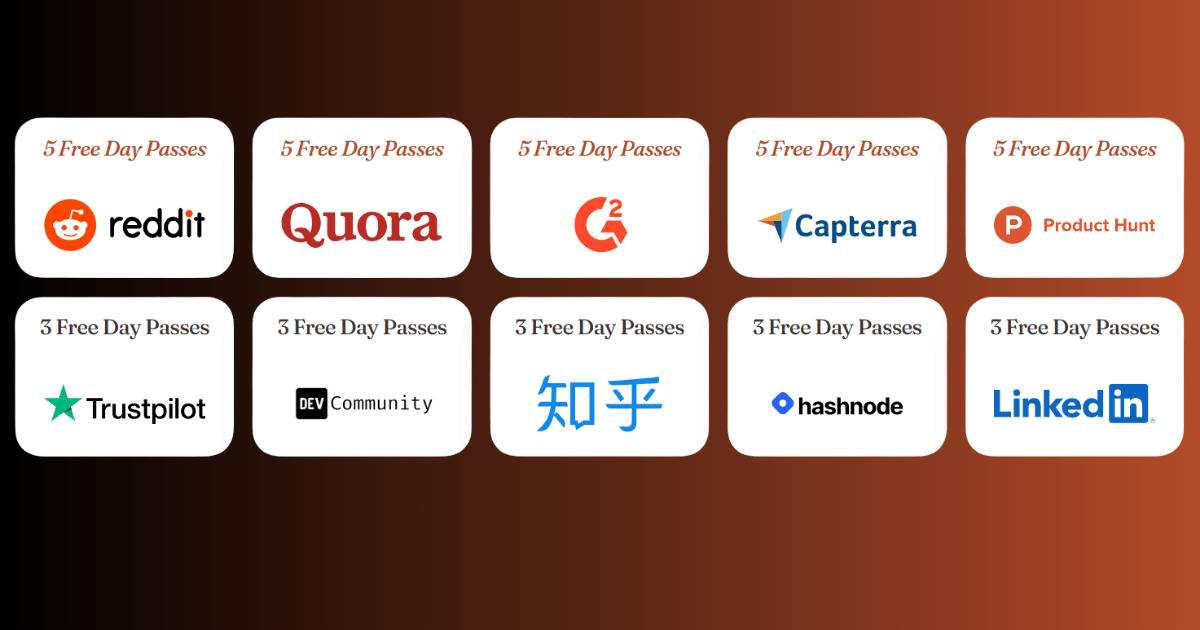
How to use TrustSender.io in free mode?
Get between 3 and 5 free Day Passes and check as many emails as you want. It’s literally unlimited.
The goal of this program is to allow you to test the TrustSender.io tool before purchasing Day Passes.
But it’s not free forever: You can make a maximum of 10 requests.
Each Day Pass allows you to check an unlimited number of emails within a 24-hour period.
If you have 5 Day Passes and use 1 per week, you will have enough for more than a month of email checks, which should be enough to keep your lists clean and up-to-date.
See details of the Bonus For Review Program at: TrustSender.io Bonus For Review Program
Related validation checks covered in this guide
- Syntax validation.
- Domain validation.
- MX record validation.
- Invalid email checker.
- Email bounce checker.
- Email bounce detection.
- Hard bounce checker.
- Soft bounce checker.
- Email list cleaning.
- Sender reputation protection.
FAQ
Why do emails bounce back?
Emails bounce back when the receiving server cannot or will not accept the message. Common causes include invalid addresses, full mailboxes, temporary server problems, authentication failures, spam filtering, and sender reputation issues.
What is the difference between a hard bounce and a soft bounce?
A hard bounce is usually a permanent failure, such as an invalid or deleted mailbox. A soft bounce is usually temporary, such as a full inbox or unavailable server.
Should I resend to bounced emails?
Do not resend blindly. Hard bounces should usually be suppressed. Soft bounces can be retried carefully, but repeated soft bounces should be reviewed or suppressed.
Can valid emails bounce back?
Yes. A valid address can bounce because of security filters, authentication issues, mailbox storage, server problems, or policy rules.
How can I reduce email bounce rate?
Validate your list before sending, remove invalid contacts, suppress previous bounces, clean old lists, avoid purchased or scraped contacts, and monitor bounce reasons after each campaign.
How does TrustSender.io help with bounced emails?
TrustSender.io helps identify invalid, risky, and undeliverable contacts before campaigns so you can reduce avoidable bounces and protect sender reputation.