











If you want to check spam score before sending a campaign, do not treat it as a last-minute checkbox. Instead, use it as an early warning signal. The result shows whether your message, sender setup, links, formatting, authentication, and list quality may look risky to spam filters.
A good score does not guarantee inbox placement. However, a poor score can warn you that something needs attention before the campaign reaches real recipients.
Therefore, the best approach is to test the message, fix technical issues, clean the list, segment risky addresses, and send first to a trusted audience. That way, spam-score testing becomes part of a safer email deliverability workflow, not a panic step after open rates drop.
Quick answer
To check spam score, send your final email draft to a spam-testing tool. Then review the report and fix the highest-impact issues first: failed SPF, DKIM, or DMARC, blocklist warnings, suspicious links, poor image-to-text balance, spammy wording, broken headers, and risky list-quality signals.
Spam score tools help with technical and content diagnostics. However, they do not replace email validation. For example, a message can pass a spam score test and still perform poorly if the list contains invalid, stale, disposable, catch-all, or unengaged contacts.
Key takeaways
- Spam score gives you a diagnostic signal, not a delivery guarantee.
- Different filters may score the same email differently.
- Authentication, content, links, sender reputation, and list quality all matter.
- In addition, a clean email list reduces avoidable bounce and reputation risk.
- Risky email addresses should not be mixed with your best audience.
- TrustSender.io helps with the list-quality side of deliverability before you send.
What is an email spam score?
An email spam score is a risk rating that estimates how likely a message is to trigger spam filters. Because each tool uses its own scoring model, results can vary. Some tools show a simple number, while others provide a checklist of technical, content, reputation, and formatting issues.
For example, a spam score may consider:
- SPF, DKIM, and DMARC authentication.
- Sender domain and IP reputation.
- Blocklist status.
- Message headers.
- Subject line and body copy.
- Link quality.
- URL shorteners.
- Image-to-text balance.
- HTML structure.
- Attachments.
- Unsubscribe signals.
- List quality and engagement signals.
No single score can represent every mailbox provider. Gmail, Outlook, Yahoo, corporate gateways, and private filtering systems can all make different decisions. Still, checking your spam score before sending helps catch obvious problems early.
Why checking spam score matters
It finds technical problems before the campaign
First, failed authentication, broken headers, missing DNS alignment, suspicious redirects, and blocklist warnings can hurt a campaign before anyone reads the content.
As a result, a spam score test gives you a chance to fix these problems before sending to your real list.
It improves content quality
Spam filters do not only look at infrastructure. They also review the email itself.
For instance, aggressive urgency, misleading subject lines, excessive punctuation, hidden text, image-only design, and shortened links can all make a message look suspicious.
It protects sender reputation
Sender reputation develops over time. If your campaigns create bounces, spam complaints, low engagement, or blocklist issues, future sends may have a harder path to the inbox.
Therefore, spam score checks help you reduce preventable risks before they become reputation problems.
It supports better campaign decisions
If a draft scores poorly, do not send it to the whole list. Instead, fix the issue, retest, and start with a smaller engaged segment.
In practice, a spam score report should guide decisions, not just produce a number.
Spam score is not the same as deliverability
A good spam score does not guarantee inbox placement.
Spam score tools often test the message and technical setup. However, mailbox providers also evaluate recipient behavior, historical engagement, complaint rates, bounce patterns, sender reputation, sending volume, and whether the recipient expected the message.
For example:
- A technically clean email can still go to spam if the audience is unengaged.
- A well-written campaign can still fail if authentication is broken.
- A perfect-looking template can still create problems if the list contains invalid contacts.
- A clean sender can still be filtered if volume spikes too quickly.
For that reason, spam-score testing should be combined with email validation, segmentation, suppression, authentication, and engagement monitoring.
How to check spam score before sending
Step 1: Test the final version
First, do not test an early draft and assume the final campaign is safe.
Run the test after the subject line, sender name, reply-to address, links, images, HTML, plain-text version, and footer are ready. After all, small final changes can affect the score.
Step 2: Review authentication
Next, check SPF, DKIM, and DMARC. Make sure the sending platform is authorized to send for your domain and that the visible From domain aligns with authenticated domains.
Authentication does not guarantee inbox placement. However, missing authentication can make a legitimate message look suspicious.
Step 3: Check links and domains
In addition, spam filters review where your email sends people.
Before sending, check:
- Broken links.
- URL shorteners.
- Suspicious redirects.
- Tracking domain reputation.
- Links to unrelated domains.
- Unsafe or blacklisted destinations.
- Inconsistent brand domains.
Whenever possible, use full, trusted, brand-aligned links.
Step 4: Review content and formatting
Then look for content that may increase filter risk:
- All-caps subject lines.
- Excessive punctuation.
- Misleading urgency.
- Fake reply-style subject lines.
- Too many images and too little text.
- Hidden or tiny text.
- Poor HTML copied from document editors.
- Overly aggressive sales claims.
- Attachments that are not necessary.
In most cases, clear content is safer than clever content.
Step 5: Validate the list
This is the step many teams miss.
A spam score test may tell you that the message looks acceptable. However, it does not prove that the recipients are safe to contact.
Therefore, before sending, validate the list and separate:
- Deliverable contacts.
- Invalid contacts.
- Risky email addresses.
- Disposable emails.
- Catch-all results.
- Unknown results.
- Old non-engagers.
- Previous hard bounces.
Even the best message can still perform poorly if the list is weak.
Step 6: Segment risky contacts
Also, do not send risky contacts with your cleanest audience.
Review, segment, suppress, or test risky results separately. Also, do not use them for warm-up, reputation recovery, or your most important campaign launch.
Step 7: Send a pilot campaign
Before a large send, test with a small group of recent, engaged contacts.
Then monitor:
- Bounces.
- Spam complaints.
- Opens and clicks.
- Replies.
- Blocks.
- Deferrals.
- Unsubscribes.
- Provider-specific issues.
If the pilot performs poorly, pause before sending to the full list.
How to interpret a spam score report
Authentication failures
Authentication failures are usually high priority. If SPF, DKIM, or DMARC fails, fix authentication before sending.
Blocklist warnings
If the report shows a listed IP, domain, or link, investigate the source first. Do not request delisting until you understand why the listing happened.
Content warnings
Content warnings often point to fixable issues: wording, formatting, links, image ratio, or HTML quality. Start with the items that are easiest to correct and most likely to affect trust.
Header or format warnings
Similarly, broken headers, missing plain-text versions, invalid message IDs, or malformed HTML can make the campaign look less legitimate.
List-quality warnings
Some tools may flag risk signals related to sender reputation or list behavior. Treat those warnings seriously. Although the message test may pass, list quality can still damage email deliverability.
Spam score checklist before a campaign
| Check | Why it matters | Action |
|---|---|---|
| SPF/DKIM/DMARC pass | Confirms sender identity | Fix missing or misaligned records |
| Links reviewed | Reduces suspicious-link risk | Avoid shorteners and broken redirects |
| Content checked | Reduces filter triggers | Use clear, relevant language |
| HTML reviewed | Prevents formatting problems | Remove messy or hidden code |
| List validated | Reduces invalid contacts | Validate before sending |
| Risky contacts segmented | Protects clean audiences | Separate catch-all, disposable, and unknown results |
| Bounces suppressed | Prevents repeat failures | Keep hard bounces out |
| Sender reputation reviewed | Finds trust problems | Monitor domain and IP signals |
| Pilot send completed | Tests real audience reaction | Start with engaged contacts |
| Unsubscribe tested | Reduces spam complaints | Make opt-out visible and reliable |
Use this checklist before product launches, newsletters, cold outreach, old-list reactivation, imported CSV campaigns, and high-volume sends. In addition, repeat it whenever you change templates, domains, sending platforms, or list sources.
Common mistakes to avoid
Treating a perfect score as a guarantee
A strong spam score is helpful, but it is not a promise. Recipient engagement, complaints, list quality, sender reputation, and mailbox-provider filtering still matter.
Testing the wrong version
If you test one version and send another, the result may not apply. Therefore, test the final campaign, not an early draft.
Ignoring list quality
Even a clean-looking email can create bounces, complaints, and reputation damage when you send it to a bad list.
Fixing content while authentication is broken
Fix technical failures first. If authentication is broken, rewriting a few words may not solve the real problem.
Sending to everyone after one clean test
A spam score test is not permission to send to the whole database. Instead, start with engaged contacts, then scale gradually.
How TrustSender.io helps
TrustSender.io helps with the list-quality side of spam risk and email deliverability.
TrustSender.io helps you:
- Identify invalid contacts before they create hard bounces.
- Separate risky email addresses from safer contacts.
- Support email list cleaning before campaigns.
- Reduce avoidable email bounce rate pressure.
- Prepare cleaner CSV files for email platforms.
- Improve email hygiene before sending.
- Protect sender reputation with better list control.
However, TrustSender.io does not check your message content spam score, configure SPF/DKIM/DMARC for you, or guarantee inbox placement. No email checker can guarantee that.
Still, cleaner list data gives your spam-score and deliverability work a safer foundation.
Related TrustSender resources
- Improve Email Deliverability
- Emails Going to Spam
- Email Sender Reputation
- Email Blacklist Check
- Spam Trap Checker
- Email Bounce Checker
How to use TrustSender.io in free mode?
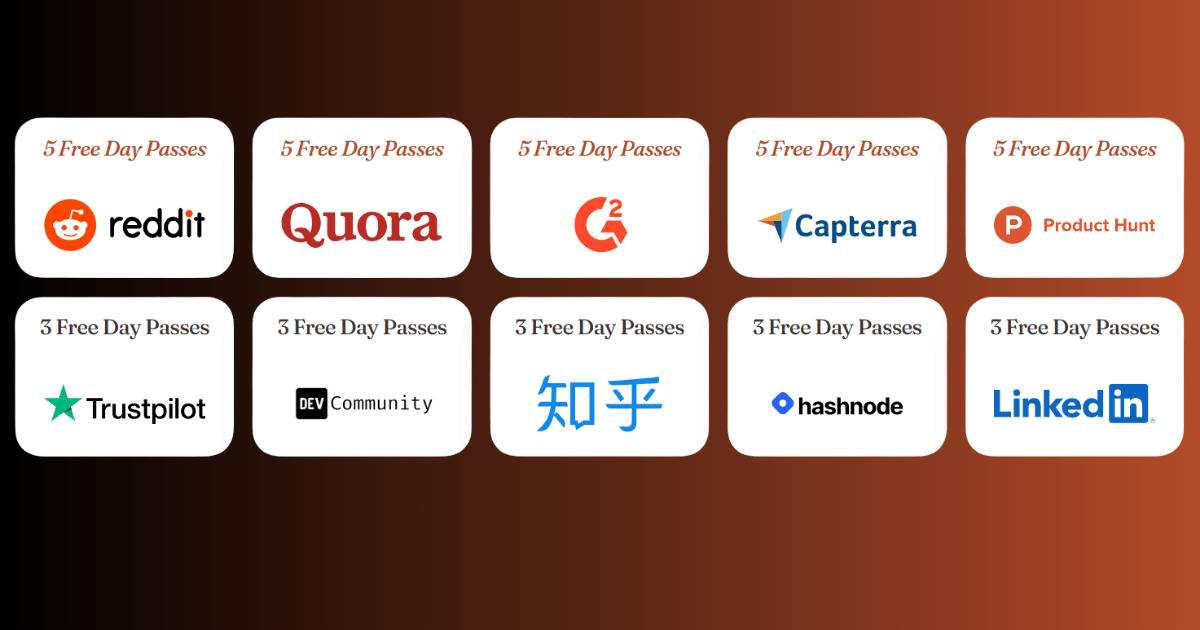
Get between 3 and 5 free Day Passes and check as many emails as you want. It’s literally unlimited.
The goal of this program is to allow you to test the TrustSender.io tool before purchasing Day Passes.
But it’s not free forever: You can make a maximum of 10 requests.
Each Day Pass allows you to check an unlimited number of emails within a 24-hour period.
If you have 5 Day Passes and use 1 per week, you will have enough for more than a month of email checks, which should be enough to keep your lists clean and up-to-date.
See details of the Bonus For Review Program at: TrustSender.io Bonus For Review Program
Related validation checks covered in this guide
- Email validation.
- Email verification.
- Email list cleaning.
- Email list validation.
- Invalid email checker.
- Email bounce detection.
- Risky email classification.
- Disposable email detection.
- Catch-all classification.
- Sender reputation protection.
FAQ
What does it mean to check spam score?
Checking spam score means testing your email draft and sender setup to identify issues that may trigger spam filters before you send the campaign.
Is a low spam score enough to guarantee inbox placement?
No. A good spam score helps, but inbox placement also depends on list quality, sender reputation, recipient engagement, complaints, authentication, and mailbox-provider filtering.
What should I fix first in a spam score report?
First, fix authentication failures, blocklist issues, broken links, malformed headers, and major content problems before sending.
Can a bad email list increase spam risk?
Yes. Invalid, stale, disposable, catch-all, and unengaged contacts can create bounces, complaints, and weak engagement signals that hurt sender reputation.
How often should I check spam score?
Check before major campaigns, new templates, provider changes, domain or IP changes, old-list reactivation, and high-volume sends.
How does TrustSender.io help?
TrustSender.io validates email lists and separates deliverable, risky, and undeliverable contacts so teams can reduce avoidable bounce and list-quality risks before sending.