










A domain spam score helps you understand whether your sending domain looks risky to mailbox providers, spam filters, and reputation systems. However, it is not a single universal number. Instead, the score reflects a mix of signals: authentication, blacklist status, sending history, bounce rate, complaints, engagement, content quality, and list hygiene.
When your domain looks risky, your emails may land in spam, get blocked, get deferred, or receive lower engagement. Therefore, the fix is rarely just rewriting the subject line. You also need to review the domain, the infrastructure, the list, and the behavior behind each campaign.
The safest approach is to check your domain spam score before major sends, clean your list, authenticate your domain, suppress risky contacts, and monitor reputation over time. As a result, you reduce avoidable damage before your next campaign reaches real recipients.
Quick answer
A domain spam score is a reputation signal that estimates how risky your domain looks to spam filters and mailbox providers. For example, authentication, blacklists, bounce rates, spam complaints, sending volume, content quality, link behavior, and list quality may influence it.
To check and improve it, review blacklist status, SPF, DKIM, DMARC, reverse DNS, bounce patterns, complaint rates, sending volume, and audience quality. Then validate your email list, remove invalid contacts, segment risky addresses, and rebuild gradually with engaged recipients.
Key takeaways
- Domain spam score is a diagnostic signal, not a delivery guarantee.
- However, a clean domain check does not guarantee inbox placement.
- In addition, SPF, DKIM, DMARC, and DNS alignment are basic trust signals.
- Meanwhile, high bounce rates and spam complaints can damage domain reputation.
- Also, old, purchased, scraped, or unvalidated lists increase risk.
- Therefore, email validation helps reduce avoidable list-quality problems before sending.
- TrustSender.io helps clean lists before campaigns, but it does not configure DNS or guarantee inbox placement.
What is a domain spam score?
A domain spam score is an estimate of how suspicious or trustworthy your sending domain appears. Because different tools use different methods, mailbox providers do not all follow the same scoring model.
For example, a domain spam score may consider:
- Blacklist or blocklist status.
- SPF, DKIM, and DMARC configuration.
- Domain age and sending history.
- Sender reputation.
- Bounce rate.
- Spam complaints.
- Spam trap risk.
- Sudden volume changes.
- Content and link patterns.
- Engagement signals.
- List quality.
- Related sending IP reputation.
As a result, you should treat a domain spam score as a starting point for diagnosis. In other words, it tells you where to investigate, not exactly where every email will land.
Why domain spam score matters
It affects inbox trust
Mailbox providers need to decide whether your domain is trustworthy. If your domain has weak authentication, poor list quality, high complaints, or suspicious sending behavior, future messages may face more filtering.
It can explain deliverability drops
A sudden drop in opens, more spam-folder placement, blocked messages, or bounce spikes may point to domain reputation problems. In that case, a domain spam score check can help you confirm whether the issue is technical, behavioral, or list-related.
It helps prioritize fixes
If the problem is authentication, fix DNS first. When bounce rate is the problem, clean the list. If complaints caused the issue, review consent, targeting, unsubscribe handling, and sending frequency.
It reduces future damage
Domain reputation recovery is slower than prevention. Therefore, checking early is safer than reacting after a campaign fails.
Domain spam score is not the same as deliverability
A good domain spam score does not guarantee inbox placement.
After all, email deliverability also depends on recipient behavior, mailbox-provider filtering, sending infrastructure, IP reputation, content, engagement, complaints, volume, and whether people expected your message.
For example:
- A technically healthy domain can still perform poorly with an old list.
- A clean blacklist report can still fail if recipients complain.
- A good template can still go to spam if authentication is broken.
- A strong domain can lose trust after sudden high-volume sending.
- A valid address can still be risky if it is disposable, catch-all, or unengaged.
Therefore, domain spam score checks should be combined with list validation, sender reputation review, authentication checks, and campaign monitoring.
How to check domain spam score
Step 1: Check blacklist status
First, check whether your domain, sending IP, or tracking links appear on public blocklists.
If a listing appears, save the details before making changes:
- The listed domain or IP.
- The blacklist name.
- The listed reason, if available.
- The affected campaigns.
- The bounce-back message.
- The first time the issue appeared.
- The list source used for the campaign.
However, do not request delisting before you understand and fix the root cause.
Step 2: Review SPF, DKIM, and DMARC
Next, review email authentication because it proves that your domain is allowed to send the message.
Check whether:
- SPF includes your sending platform.
- DKIM is enabled and passing.
- DMARC exists for the sending domain.
- DMARC alignment works with the visible From domain.
- Your records do not contain syntax errors.
- Your third-party email tools are authorized correctly.
Authentication does not guarantee inbox placement. However, failed authentication can make legitimate messages look suspicious.
Step 3: Check DNS and infrastructure alignment
Domain reputation is also connected to infrastructure.
For example, review:
- Reverse DNS, when you manage sending infrastructure.
- Forward DNS alignment.
- Sending IP reputation.
- Tracking domain reputation.
- Consistency between From domain, return-path domain, and DKIM signing domain.
- Whether shared infrastructure may affect your results.
If you send through a third-party provider, confirm that the provider authenticates your domain correctly and follows sender requirements.
Step 4: Review bounce and complaint patterns
In many cases, a domain spam score reflects recent behavior.
Ask:
- Did hard bounces increase?
- Did complaints increase?
- Did spam-folder placement increase?
- Did deferrals or blocks appear?
- Did you send to an older segment?
- Did you import a new CSV file?
- Did sending volume increase suddenly?
- Did a new lead source perform worse than others?
If the list caused the issue, DNS fixes alone will not solve it.
Step 5: Validate the list before sending again
Before your next campaign, validate the list and separate contacts by risk.
Then separate:
- Deliverable contacts.
- Invalid contacts.
- Risky email addresses.
- Disposable emails.
- Catch-all results.
- Unknown results.
- Previous hard bounces.
- Old non-engagers.
As a result, this helps reduce avoidable bounces and weak engagement signals that can damage domain reputation.
Step 6: Send first to engaged contacts
When you are trying to protect or recover domain reputation, start with the safest audience.
For example, good early segments include:
- Recent subscribers.
- Recent buyers.
- Active customers.
- Contacts who clicked recently.
- Contacts who replied recently.
- Confirmed opt-in contacts.
- Directly collected contacts from trusted forms.
In contrast, avoid starting with old exports, cold files, purchased contacts, scraped addresses, and unvalidated imports.
What causes a bad domain spam score?
Invalid and stale email addresses
Invalid addresses create hard bounces. As a result, a high hard-bounce pattern tells mailbox providers that your list may be old, purchased, mistyped, scraped, or poorly maintained.
Spam complaints
Spam complaints are direct negative signals. Usually, they happen when recipients do not recognize the sender, did not opt in, receive too many messages, or cannot unsubscribe easily.
Weak authentication
Missing or misconfigured SPF, DKIM, or DMARC can make your messages look suspicious. In addition, authentication failures can increase rejection and spam-folder risk.
Blacklist listings
A domain or IP may appear on a blacklist because of spam complaints, spam trap hits, compromised infrastructure, poor list hygiene, or abusive shared infrastructure.
Sudden volume spikes
Large unexpected sending increases can look risky, especially from a new domain, recently inactive domain, new platform, or untested list.
Suspicious links or tracking domains
Spam filters also review links and redirects. Therefore, broken links, unrelated domains, shorteners, unsafe destinations, and inconsistent tracking domains can increase risk.
Poor engagement
If recipients ignore, delete, or complain about your emails, your domain may lose trust over time. Although engagement is not the only signal, it still matters.
Domain spam score recovery plan
1. Pause risky sending
Do not keep sending high-volume campaigns while your domain looks risky. Instead, pause old lists, cold segments, risky imports, and automated follow-ups until you understand the issue.
2. Identify the trigger
Next, look for the recent change that caused the problem.
Common triggers include:
- New email platform.
- New sending domain.
- New tracking domain.
- New list import.
- Old-list reactivation.
- High hard-bounce rate.
- More spam complaints.
- Weak authentication.
- Sudden volume increase.
- Compromised account or form abuse.
3. Clean and validate the list
Use email validation before sending again. Then remove or suppress invalid contacts, and keep risky contacts away from your best audience.
As a result, this reduces avoidable bounce pressure and protects sender reputation.
4. Fix authentication and DNS
Review SPF, DKIM, DMARC, DNS alignment, and reverse DNS where relevant. Also, if you recently changed email platforms, confirm that every new sender is included correctly.
5. Suppress previous failures
Keep hard bounces, complaints, unsubscribes, and known bad contacts out of active campaigns.
In many cases, suppression is safer than deletion because it prevents the same bad address from returning through a later import.
6. Rebuild gradually
After remediation, send to a smaller engaged segment first. Then monitor bounces, complaints, blocks, spam placement, opens, clicks, and provider-specific issues.
Finally, increase volume only when the signals stay stable.
Domain spam score prevention checklist
| Check | Why it matters | Action |
|---|---|---|
| SPF/DKIM/DMARC checked | Confirms sender identity | Fix missing or misaligned records |
| Blacklists reviewed | Finds visible reputation issues | Check domain, IP, and links |
| List validated | Reduces invalid contacts | Validate before major sends |
| Hard bounces suppressed | Prevents repeated failures | Keep failed contacts out |
| Risky contacts segmented | Protects clean audiences | Separate catch-all, disposable, and unknown results |
| Complaints monitored | Protects sender reputation | Review weak segments and targeting |
| Volume controlled | Avoids suspicious spikes | Increase gradually |
| Links reviewed | Reduces suspicious-link risk | Avoid shorteners and broken redirects |
| Unsubscribe tested | Reduces spam complaints | Make opt-out visible and reliable |
| Source quality tracked | Finds bad imports | Label every CSV and lead source |
Use this checklist before product launches, newsletters, cold outreach, old-list reactivation, imported CSV campaigns, and high-volume sends. In addition, repeat it whenever you change domains, sending platforms, templates, or list sources.
What not to do
Do not trust one score as the full answer
A single score cannot represent every mailbox provider, corporate gateway, filter, and recipient behavior pattern. Therefore, use multiple signals.
Do not delist before fixing the cause
If a blacklist issue exists, fix the behavior first. Otherwise, the listing can return quickly.
Do not send to the full database after a clean check
A clean domain check is not permission to send to every contact. Instead, start with engaged contacts and scale carefully.
Do not ignore list quality
A good domain setup can still fail with a weak list. For example, invalid, stale, disposable, catch-all, and unengaged contacts can damage reputation.
Do not use a new domain as a shortcut
A new domain does not solve poor consent, bad lists, spam complaints, or unsafe sending patterns. Instead, it needs authentication, warm-up, and clean data.
How TrustSender.io helps
TrustSender.io helps with the list-quality side of domain spam score and email deliverability.
TrustSender.io helps you:
- Identify invalid contacts before they create hard bounces.
- Separate risky email addresses from safer contacts.
- Support email list cleaning before major sends.
- Reduce avoidable email bounce rate pressure.
- Prepare cleaner CSV files for email platforms.
- Improve email hygiene before sending.
- Protect sender reputation with better list control.
However, TrustSender.io does not check your DNS records, configure SPF/DKIM/DMARC, remove blacklist listings, or guarantee inbox placement. No email checker can guarantee that.
Still, cleaner list data gives every domain reputation plan a safer foundation.
Related TrustSender resources
- IP Reputation Lookup
- Check Spam Score
- Improve Email Deliverability
- Email Blacklist Check
- Why Was My Email Blocked
- Email Sender Reputation
How to use TrustSender.io in free mode?
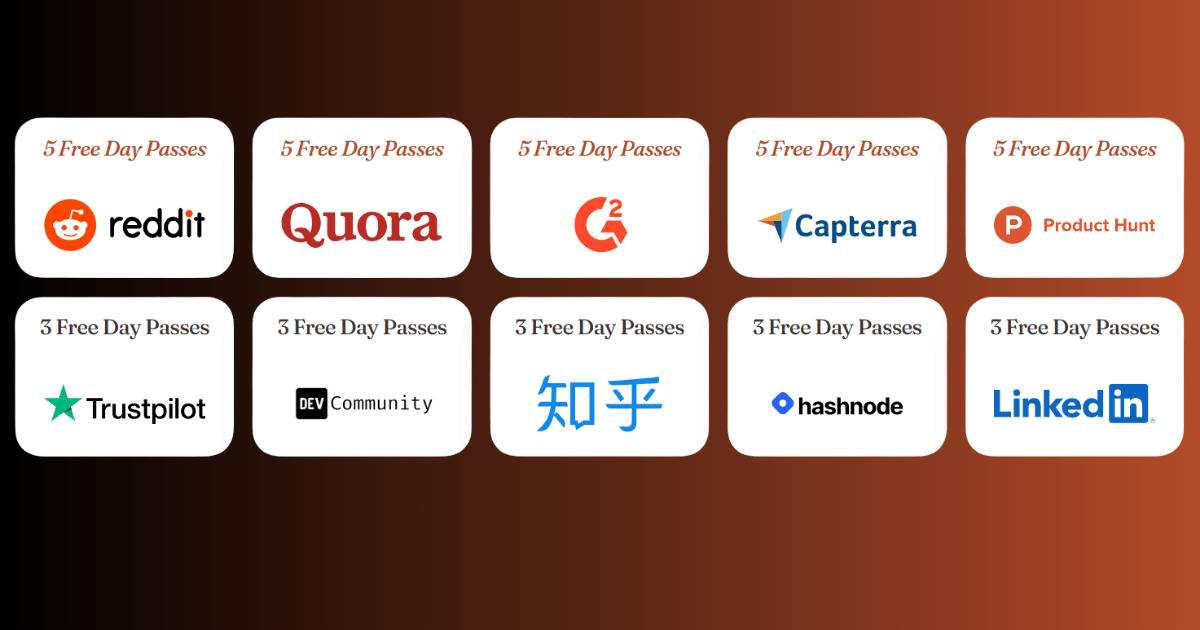
Get between 3 and 5 free Day Passes and check as many emails as you want. It’s literally unlimited.
The goal of this program is to allow you to test the TrustSender.io tool before purchasing Day Passes.
But it’s not free forever: You can make a maximum of 10 requests.
Each Day Pass allows you to check an unlimited number of emails within a 24-hour period.
If you have 5 Day Passes and use 1 per week, you will have enough for more than a month of email checks, which should be enough to keep your lists clean and up-to-date.
See details of the Bonus For Review Program at: TrustSender.io Bonus For Review Program
Related validation checks covered in this guide
- Email validation.
- Email verification.
- Email list cleaning.
- Email list validation.
- Invalid email checker.
- Domain validation.
- Email bounce detection.
- Risky email classification.
- Disposable email detection.
- Catch-all classification.
- Sender reputation protection.
FAQ
What is a domain spam score?
A domain spam score is a diagnostic signal that estimates how risky your sending domain appears based on authentication, reputation, blacklists, complaints, bounces, content, and list quality.
How do I check domain spam score?
Check blacklist status, SPF, DKIM, DMARC, DNS alignment, sending IP reputation, bounce rate, complaint rate, and campaign engagement. Then validate the list before sending again.
Does a good domain spam score guarantee inbox placement?
No. A good score helps, but inbox placement also depends on list quality, engagement, recipient behavior, content, sending volume, IP reputation, and mailbox-provider filtering.
Can a bad email list hurt my domain spam score?
Yes. Invalid, stale, disposable, catch-all, and unengaged contacts can create bounces, complaints, and weak engagement signals that damage sender reputation.
How long does domain reputation recovery take?
It depends on the cause and severity. For example, a blacklist delisting may be faster than full reputation recovery, which often requires consistent clean sending over time.
How does TrustSender.io help?
TrustSender.io validates email lists and separates deliverable, risky, and undeliverable contacts so teams can reduce avoidable bounce and list-quality risks before sending.