

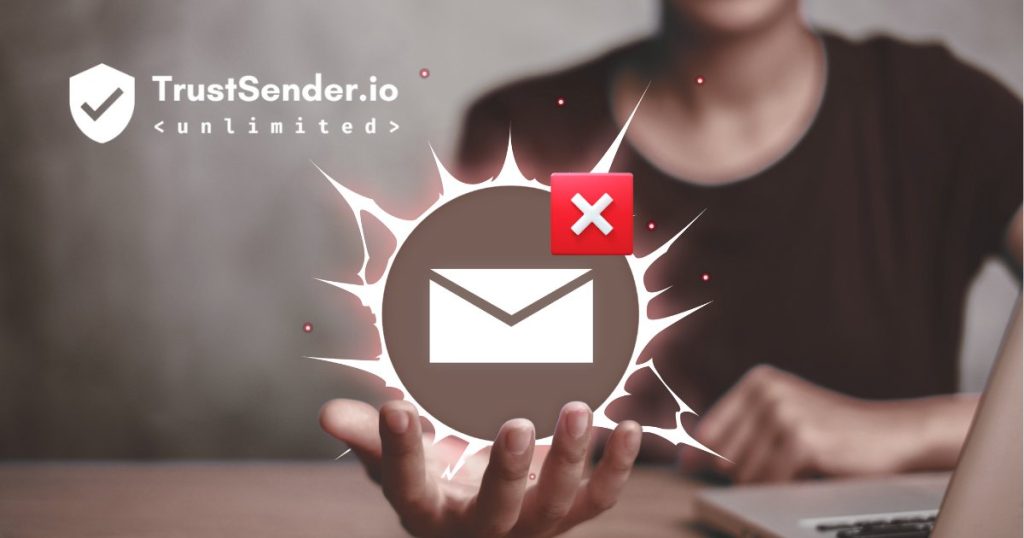







When a receiving server blocks an email, it rejects the message before it reaches the inbox. This is different from an email going to spam. For example, a spam-folder placement may still reach the recipient’s mailbox, while a blocked email usually fails delivery and may generate a bounce-back message, also called a non-delivery report.
In most cases, the cause is a trust problem. The recipient’s mail system may not trust your domain, IP address, authentication, message content, sending pattern, or list quality. As a result, campaigns that include invalid contacts, old addresses, risky segments, or people who did not expect your message face a higher blocking risk.
Therefore, the safest way to reduce blocking risk is to fix the signals before the next send. Start by validating your list, suppressing bad addresses, segmenting risky contacts, reviewing authentication, controlling sending volume, and monitoring bounce-back messages carefully.
Quick answer
The receiving server blocked your email because it rejected the message. Common causes include failed SPF, DKIM, or DMARC authentication, poor sender reputation, high bounce rates, spam complaints, blocklisted IPs or domains, suspicious message content, sudden sending spikes, or sending to invalid and risky addresses.
To fix it, read the bounce-back message, identify the rejection reason, clean your list, suppress hard bounces, separate risky contacts, authenticate your domain, reduce volume spikes, and monitor sender reputation before sending again.
Key takeaways
- Receiving servers usually reject blocked emails before inbox delivery.
- In many cases, the bounce-back message contains the best clue.
- Blocking can come from authentication, reputation, content, list quality, or recipient-side policy.
- Invalid and stale addresses can increase bounce and blocking risk.
- Email validation helps reduce avoidable list-quality problems before sending.
- TrustSender.io helps teams separate deliverable, risky, and undeliverable contacts before campaigns.
Blocked email vs spam folder
A blocked email and a spam-folder email are different issues.
With a blocked email, the receiving server rejects the message. In many cases, the sender receives a bounce-back message explaining the failure. Therefore, the email may never reach the recipient’s mailbox.
By contrast, the receiving system accepts a spam-folder email but places it away from the inbox. The sender usually does not receive a warning. As a result, teams often need recipient feedback, seed testing, inbox placement tools, or campaign performance signals to detect the issue.
Both problems matter. However, a block is usually more urgent because delivery failed completely.
Common reasons emails get blocked
1. Authentication failed
SPF, DKIM, and DMARC help prove that your domain can send the message legitimately. If these records are missing, misconfigured, or misaligned, the receiving server may reject the email.
Authentication does not guarantee inbox placement. Still, it is a baseline requirement for serious sending.
2. Sender reputation is weak
Sender reputation develops over time. Mailbox providers look at bounces, complaints, engagement, blocklist history, sending consistency, and domain behavior.
If your reputation drops, receiving systems may throttle, defer, reject, or block messages.
3. The list contains invalid addresses
Invalid addresses create hard bounces. A high hard-bounce pattern tells providers that the list may be old, purchased, scraped, or poorly maintained.
This is one of the most avoidable causes of blocking risk.
4. Risky contacts were mixed with safe contacts
Catch-all addresses, disposable emails, role-based contacts, unknown results, and old non-engagers should not be treated the same as clean, engaged subscribers.
When risky contacts are mixed into a main campaign, they can weaken the signal for the entire send.
5. The domain or IP is on a blocklist
A sending IP or domain may appear on a blocklist because of spam complaints, spam trap hits, malware, open relay behavior, abusive customers on shared infrastructure, or previous poor sending.
If your IP or domain appears on a blocklist, the fix depends on the list, the cause, and whether you have resolved the underlying issue.
6. Sending volume changed too quickly
In addition, large unexpected volume changes can look suspicious. If you normally send a small number of emails, a sudden high-volume campaign to an old or unvalidated list can trigger rate limiting or rejection.
Volume should increase gradually, especially after infrastructure changes or reputation issues.
7. Message content looked suspicious
Some blocks happen because the message looks unsafe or deceptive. For instance, misleading subject lines, hidden content, suspicious links, URL shorteners, dangerous attachments, excessive urgency, or inconsistent sender identity can increase risk.
Content alone is rarely the only factor, but it can push a borderline campaign into rejection.
8. The recipient server has a strict policy
Sometimes, however, the issue is mostly on the recipient side. A company may block external senders, reject certain attachments, apply strict filtering, or use a local denylist.
In that case, the bounce-back message is essential for diagnosis.
How to diagnose a blocked email
Read the bounce-back message
First, use the bounce-back message as your main diagnostic tool. Look for:
- SMTP status code.
- Authentication failure.
- Policy rejection.
- Blocklist reference.
- Mailbox not found.
- Rate limit or temporary deferral.
- Message content rejection.
- Domain or IP reputation warning.
Typically, a 5xx code means permanent failure. Meanwhile, a 4xx code usually means temporary deferral, throttling, or a retryable condition.
Check whether it affects one recipient or many
If only one recipient blocks the message, you may be dealing with a local policy or mailbox issue.
However, if many recipients across different domains block the campaign, the problem is probably broader: authentication, sender reputation, list quality, infrastructure, or sending behavior.
Compare blocked and delivered segments
Review what changed:
- New list source.
- New sending domain.
- New IP or email platform.
- New content format.
- Larger send volume.
- Imported CSV file.
- Reactivation of old contacts.
- More risky or unknown contacts.
- Recent spam complaints or bounce spikes.
In practice, delivery problems usually have a trigger.
Review list quality first
Before changing every technical setting, therefore, check the list.
Even when authentication is correct, a campaign sent to invalid, stale, disposable, catch-all, or unengaged contacts can create blocks.
How to fix blocked emails
1. Pause the risky send
Do not keep sending the same campaign to the same risky segment. Otherwise, continued blocks can make reputation worse.
Pause, diagnose, and restart with a cleaner audience.
2. Validate the list
Next, use email validation before sending again. Separate results into deliverable, risky, and undeliverable contacts.
Do not send undeliverable contacts. Review risky contacts before deciding whether to use them.
3. Suppress hard bounces
Keep hard-bounced contacts out of active campaigns. In many cases, suppression is safer than deletion because it prevents the same bad address from being imported again later.
4. Segment risky contacts
Also, keep risky contacts separate from your best audience. Put catch-all, disposable, unknown, role-based, and old non-engaged contacts into a separate workflow.
Send only when the context justifies the risk.
5. Fix authentication
Review SPF, DKIM, and DMARC. Check domain alignment and make sure your email platform is authorized to send for your domain.
Also review forward and reverse DNS if you manage sending infrastructure.
6. Reduce volume and rebuild gradually
After blocks, start with a smaller segment of recent, engaged, directly collected contacts.
Monitor bounces, deferrals, complaints, and engagement before increasing volume.
7. Clean up content risks
For content, use a clear sender name, honest subject line, visible links, normal formatting, and relevant content. Avoid deceptive reply-style subject lines, hidden text, and suspicious redirects.
8. Track list sources
Finally, label every list by source. A bad source can look fine at the aggregate level but still create most of the blocks.
Track bounce rate, complaint rate, engagement, and risky classifications by source.
Blocked email prevention checklist
| Check | Why it matters | Action |
|---|---|---|
| List validated | Reduces invalid addresses | Validate before campaign launch |
| Hard bounces suppressed | Prevents repeated failures | Keep failed contacts out of future sends |
| Risky contacts segmented | Protects clean audience quality | Review catch-all, disposable, and unknown results |
| SPF/DKIM/DMARC checked | Confirms sender identity | Fix missing or misaligned records |
| Sender reputation reviewed | Finds trust problems early | Monitor domain and IP signals |
| Volume controlled | Avoids suspicious spikes | Ramp gradually |
| Bounce-back messages reviewed | Shows rejection reason | Save and classify SMTP errors |
| Content checked | Reduces filter triggers | Use clear, non-deceptive messaging |
| Unsubscribe tested | Reduces complaints | Make opt-out visible and reliable |
| Source quality tracked | Finds bad imports | Label every CSV and lead source |
Use this checklist before high-volume sends, old-list reactivation, imported CSV campaigns, cold outreach, or any campaign after a block spike. In addition, review it whenever you change sending platforms, domains, or list sources.
How TrustSender.io helps
TrustSender.io helps teams reduce avoidable blocking risk by improving list quality before sending.
TrustSender.io helps you:
- Identify invalid contacts before they create bounces.
- Separate risky email addresses from safer contacts.
- Support email list cleaning before campaigns.
- Reduce avoidable email bounce rate pressure.
- Prepare cleaner CSV files for email platforms.
- Improve email hygiene before sending.
- Protect sender reputation with better list control.
However, TrustSender.io does not guarantee inbox placement or promise that a message will never be blocked. No email checker can do that. Blocking also depends on authentication, sender reputation, content, complaints, consent, sending volume, recipient policies, and mailbox-provider filtering.
Still, a cleaner list gives every campaign a safer starting point.
Related TrustSender resources
- Emails Going to Spam
- Email Sender Reputation
- Spam Trap Checker
- Email Bounce Checker
- Invalid Email Addresses
- Catch-All Email
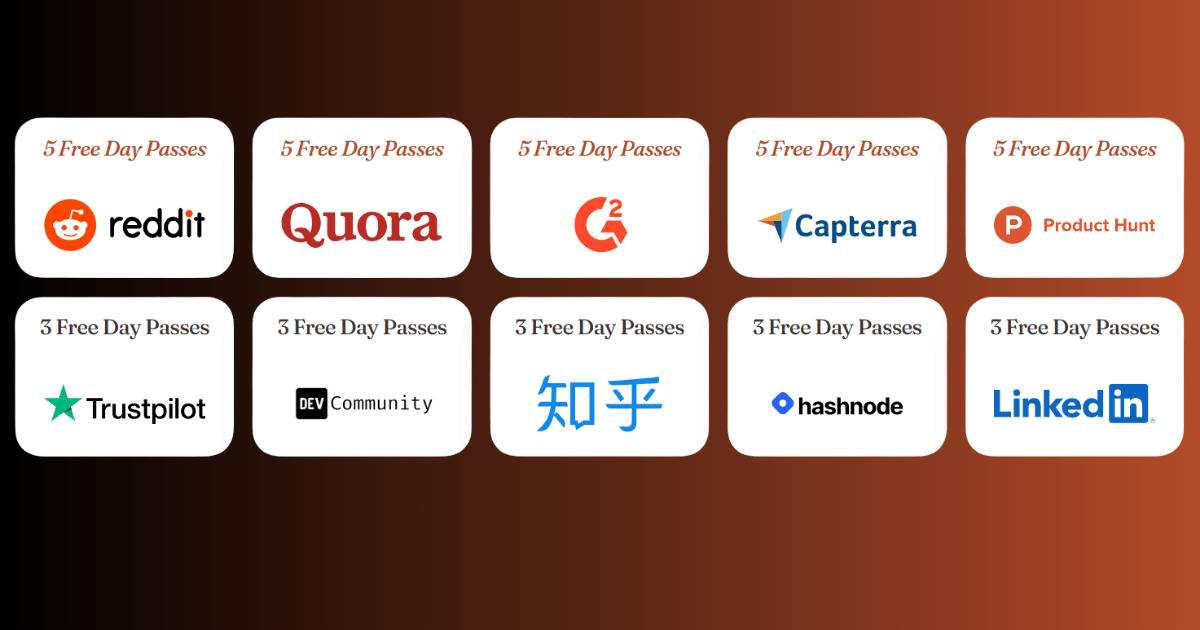
How to use TrustSender.io in free mode?
Get between 3 and 5 free Day Passes and check as many emails as you want. It’s literally unlimited.
The goal of this program is to allow you to test the TrustSender.io tool before purchasing Day Passes.
But it’s not free forever: You can make a maximum of 10 requests.
Each Day Pass allows you to check an unlimited number of emails within a 24-hour period.
If you have 5 Day Passes and use 1 per week, you will have enough for more than a month of email checks, which should be enough to keep your lists clean and up-to-date.
See details of the Bonus For Review Program at: TrustSender.io Bonus For Review Program
Related validation checks covered in this guide
- Email validation.
- Email verification.
- Email list cleaning.
- Email list validation.
- Invalid email checker.
- Email bounce detection.
- Risky email classification.
- Disposable email detection.
- Catch-all classification.
- Sender reputation protection.
FAQ
Why was my email blocked?
The receiving server blocked your email because it rejected the message. Common reasons include failed authentication, poor sender reputation, blocklists, high bounce rates, risky content, or recipient-side filtering.
Is a blocked email the same as spam?
No. Receiving systems usually reject blocked emails before delivery. By contrast, they accept spam-folder emails but place them outside the inbox.
Can email validation prevent every block?
No. Email validation reduces list-quality risk, but it cannot guarantee delivery. In addition, blocking depends on authentication, reputation, content, recipient policy, and sending behavior.
What should I check first?
Read the bounce-back message first. Then review authentication, sender reputation, list quality, blocklists, recent volume changes, and risky contacts.
Should I keep sending after blocks appear?
No. Instead, pause the risky send, diagnose the rejection reason, validate the list, suppress failures, and restart with a smaller, safer segment.
How does TrustSender.io help?
TrustSender.io validates email lists and separates deliverable, risky, and undeliverable contacts so teams can reduce avoidable bounce and list-quality risks before sending.