











Invalid email addresses are contacts that cannot reliably receive your messages. Some are clearly broken, such as addresses with missing symbols or obvious typos. Others look normal but fail because the domain is inactive, the mailbox was deleted, or the address belongs to a risky category.
For email marketing, newsletters, SaaS onboarding, customer communication, and cold outreach, invalid addresses are more than bad data. They can create hard bounces, raise your email bounce rate, weaken sender reputation, and make campaign reporting less reliable.
The best way to handle invalid email addresses is not to wait for your email platform to report a bounce. Validate your list before sending, separate risky contacts, suppress undeliverable records, and fix the sources that keep adding bad addresses to your database.
Quick answer
Invalid email addresses are email addresses that cannot receive mail or should not be treated as safe for normal sending. Common causes include typos, malformed syntax, non-existent domains, deleted mailboxes, abandoned accounts, disposable addresses, and stale business contacts.
To fix the problem, remove or suppress clear failures, correct obvious typos only when you have a trusted source, validate old and imported lists before campaigns, and keep risky addresses separate from your cleanest sending segment.
Key takeaways
- Invalid email addresses can cause hard bounces, poor deliverability, and unreliable campaign metrics.
- Some invalid emails are easy to spot, but many require deeper validation.
- A valid-looking address can still be risky or undeliverable.
- Old lists, imported CSV files, fake signups, and manual entry errors are common sources.
- Email validation helps separate deliverable, risky, and undeliverable contacts before sending.
- TrustSender.io helps teams clean lists before campaigns instead of discovering invalid addresses through bounce reports.
What are invalid email addresses?
Invalid email addresses are addresses that cannot safely receive email or are unlikely to be useful for a campaign. They may fail immediately, bounce later, or create uncertainty because the mailbox cannot be confirmed.
Examples include:
johnexample.comjohn@john@@example.comjohn@gmial.comperson@expired-domain.com- A mailbox that was deleted when an employee left a company.
- A temporary address created only to access a download.
- A stale address that has not engaged for years.
Invalid does not always mean “obviously broken.” Some addresses pass a basic format check but still create risk at the domain or mailbox level. That is why serious email validation looks beyond syntax.
Why invalid email addresses hurt campaigns
They increase hard bounces
Hard bounces are usually permanent delivery failures. If you send to an address that does not exist, the receiving system may reject it immediately.
A small number of bounces is normal. A high number of hard bounces tells mailbox providers that your list may be stale, poorly collected, or not maintained.
They weaken sender reputation
Sender reputation is built from repeated signals. If your campaigns keep hitting invalid addresses, abandoned mailboxes, or bad domains, mailbox providers may trust your future campaigns less.
This can affect inbox placement even for valid recipients.
They distort reporting
If part of your list never had a real chance to receive the campaign, your open rate, click rate, reply rate, and conversion rate become harder to interpret.
Cleaning invalid addresses gives you a clearer view of real audience performance.
They waste sending volume
Sending to invalid contacts consumes campaign volume, platform capacity, and operational attention. For large lists, this waste compounds quickly.
Pre-send validation is usually safer than paying for failed sends.
Common types of invalid email addresses
Syntax errors
Syntax errors are format problems. They are usually easy to detect.
Examples include:
- Missing
@. - Extra spaces.
- Multiple
@symbols. - Double dots.
- Invalid characters.
- Missing domain.
- Incomplete top-level domain.
Syntax validation catches many of these problems before sending.
Domain problems
An address can be formatted correctly and still fail if the domain is wrong.
Examples include:
- Misspelled domains.
- Expired domains.
- Parked domains.
- Domains with no working mail setup.
- Company domains that no longer exist.
Domain validation helps catch these issues before your campaign reaches the sending stage.
Mailbox problems
Mailbox-level problems are harder to see manually. The domain may exist, but the specific mailbox may not.
Common causes include:
- Employee left the company.
- Account was deleted.
- Inbox was abandoned.
- Mailbox has been full for a long time.
- Address was never created.
- Recipient server refuses to confirm mailbox status.
These are the addresses that often require deeper checking or cautious classification.
Disposable email addresses
Disposable addresses are temporary inboxes people use to avoid giving a permanent email. They may work briefly, then disappear.
They are not always technically invalid at the moment of signup, but they are risky for long-term email marketing and retention.
Risky but not clearly invalid addresses
Some contacts are not invalid, but still deserve caution.
Examples include:
- Role-based addresses such as
info@,sales@, orsupport@. - Catch-all domains.
- Unknown validation results.
- Old non-engagers.
- Addresses from low-quality lead sources.
These should not be mixed blindly with your safest contacts.
How to find invalid email addresses
Review bounce reports
Bounce reports show which addresses failed after sending. This is useful, but reactive. By the time you see the bounce, the failed send has already happened.
Use bounce reports to improve suppression rules and source quality, not as your only validation method.
Look for obvious format problems
Before using a validation tool, basic review can catch easy mistakes:
- Trim spaces.
- Remove duplicates.
- Check for missing
@. - Look for common domain typos.
- Normalize inconsistent formatting.
- Remove blank or corrupted rows.
This is helpful, but not enough for serious campaign preparation.
Validate domains
Check whether the domain exists and can plausibly receive email. If the domain is dead, expired, or misspelled, the address should not be sent.
Use email validation before campaigns
Email validation is the safer pre-send workflow. It helps identify invalid, risky, and undeliverable contacts before they produce real campaign bounces.
Use it before:
- Sending to old lists.
- Uploading imported CSV files.
- Running reactivation campaigns.
- Launching high-volume campaigns.
- Sending cold outreach.
- Adding contacts from offline events.
- Using partner or third-party data.
How to fix invalid email addresses
Remove clear failures
Malformed addresses, non-existent domains, and obvious hard-bounce contacts should not remain in active sending.
Remove or suppress them before the next campaign.
Correct only trusted typos
Some typos are obvious, such as gmial.com instead of gmail.com. But do not guess too aggressively. Correct an email address only when you have a trusted source or a clear, low-risk correction.
Bad corrections can create new problems.
Suppress previous hard bounces
A contact that hard bounced should not keep receiving campaigns. Suppression is often better than deletion because it prevents the same address from being re-imported later.
Separate risky contacts
Risky contacts deserve their own workflow. Do not send catch-all, role-based, disposable, unknown, or low-confidence contacts in the same way as your cleanest segment.
Segment them for review, testing, or suppression.
Fix the source
If invalid emails keep appearing, the real problem may be upstream.
Review:
- Signup forms.
- Manual data entry.
- Lead imports.
- Event lists.
- Partner files.
- Free trial forms.
- Old CRM exports.
- Scraped or purchased data.
List cleaning is more effective when it also improves how contacts enter the database.
How to prevent invalid email addresses
Validate before sending
Do not wait for bounces. Validate before the campaign, then send only to contacts that match your risk tolerance.
Clean old lists regularly
Lists decay over time. People change jobs, companies close, inboxes are deleted, and domains expire.
A list that worked last year may not be safe today.
Use confirmation for high-value forms
For newsletters, accounts, trials, and gated downloads, confirmed opt-in can help reduce fake or mistyped addresses.
Keep suppression lists active
Do not let old hard bounces, unsubscribes, and complaint contacts come back through a fresh CSV import.
Monitor by source
Track which source produces the most invalid emails. If one lead channel is low quality, fix or stop that source.
How TrustSender.io helps
TrustSender.io helps teams validate and clean email lists before sending. Instead of discovering invalid email addresses through failed campaigns, you can check the list first and separate contacts into practical outputs.
TrustSender.io helps you:
- Identify invalid addresses before they create hard bounces.
- Separate risky contacts from safer contacts.
- Support email list cleaning before major campaigns.
- Reduce avoidable email bounce rate risk.
- Prepare cleaner CSV files for email platforms.
- Protect sender reputation through better list hygiene.
TrustSender.io does not guarantee inbox placement. No email checker can do that. Inbox placement also depends on authentication, sender reputation, content, complaints, engagement, and mailbox-provider filtering.
But a cleaner list gives every campaign a safer starting point.
Related TrustSender resources
- Email Bounce Checker
- Emails Bounce Back
- Hard Bounce Email
- Email Sender Reputation
- Email Validation Checker
- Clean Email List Before Sending
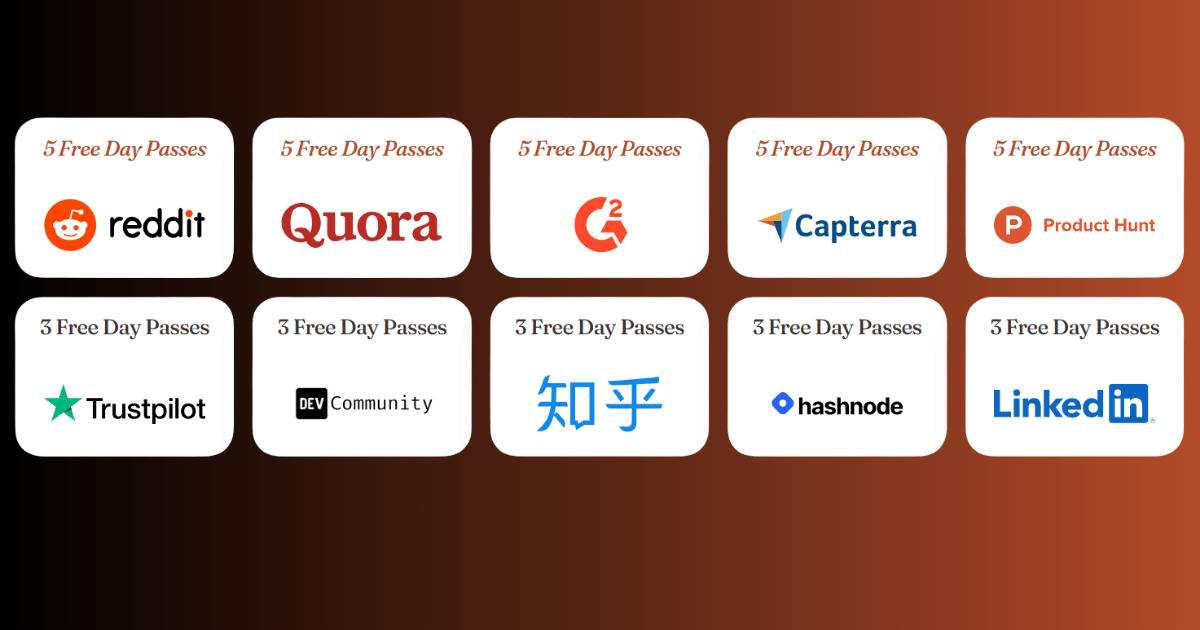
How to use TrustSender.io in free mode?
Get between 3 and 5 free Day Passes and check as many emails as you want. It’s literally unlimited.
The goal of this program is to allow you to test the TrustSender.io tool before purchasing Day Passes.
But it’s not free forever: You can make a maximum of 10 requests.
Each Day Pass allows you to check an unlimited number of emails within a 24-hour period.
If you have 5 Day Passes and use 1 per week, you will have enough for more than a month of email checks, which should be enough to keep your lists clean and up-to-date.
See details of the Bonus For Review Program at: TrustSender.io Bonus For Review Program
Related validation checks covered in this guide
- Syntax validation.
- Domain validation.
- MX record validation.
- Invalid email checker.
- Email list validation.
- Email list cleaning.
- Email bounce detection.
- Hard bounce checker.
- Risky email classification.
- Sender reputation protection.
FAQ
What are invalid email addresses?
Invalid email addresses are addresses that cannot reliably receive email. They may have syntax errors, bad domains, deleted mailboxes, abandoned accounts, or other delivery problems.
Can an email address look valid but still be invalid?
Yes. An address can have perfect formatting but still fail because the domain is inactive, the mailbox was deleted, or the receiving server cannot accept mail.
Should I delete invalid email addresses?
Remove or suppress them from active sending. Suppression is often safer because it prevents the same bad address from being imported again later.
How often should I clean invalid emails from my list?
Clean your list before major campaigns, before reactivating old contacts, after importing CSV files, after bounce spikes, and regularly for growing databases.
Can email validation prevent all bounces?
No. Email validation reduces avoidable risk, but it cannot guarantee delivery. Some valid addresses can still bounce because of filters, temporary server issues, or mailbox-provider policies.
How does TrustSender.io help with invalid emails?
TrustSender.io validates email lists and separates deliverable, risky, and undeliverable contacts so you can reduce avoidable bounces before campaigns.