











A reverse DNS lookup helps receiving mail servers understand which hostname is associated with the IP address that sends an email. Instead of translating a domain into an IP address, it works in the opposite direction: it starts with the IP and looks for the hostname behind it.
For email senders, this matters because mailbox providers use infrastructure signals to decide whether a message looks trustworthy. Reverse DNS is only one signal, but a missing or mismatched PTR record can make a sending server look poorly configured.
However, reverse DNS does not fix every deliverability problem. Even when PTR records are correct, a campaign can still fail if the list contains invalid, stale, disposable, catch-all, or risky email addresses. Therefore, the safest approach is to check infrastructure, validate the list, suppress bad contacts, and monitor sender reputation together.
Quick answer
A reverse DNS lookup checks which hostname is connected to a sending IP address. In email deliverability, it is commonly used to verify that a mail server has a valid PTR record and that the hostname points back to the same IP through forward DNS.
Reverse DNS helps receiving systems trust your sending infrastructure, but it does not guarantee inbox placement. In addition, your sender reputation still depends on authentication, list quality, bounce rates, spam complaints, content, engagement, and sending behavior.
Key takeaways
- Reverse DNS lookup maps an IP address back to a hostname.
- PTR records are the DNS records used for reverse DNS.
- Forward-confirmed reverse DNS means the hostname also resolves back to the sending IP.
- Gmail sender guidelines require valid forward and reverse DNS records for sending domains or IPs.
- A correct PTR record supports infrastructure trust, but it does not replace email validation.
- TrustSender.io helps with list-quality risk before sending, while DNS configuration remains an infrastructure task.
What is reverse DNS lookup?
A reverse DNS lookup is a DNS query that starts with an IP address and asks which hostname is associated with that IP.
A normal DNS lookup works like this:
- You enter a domain name.
- DNS returns the IP address.
- Your device connects to the server.
By contrast, reverse DNS works like this:
- A receiving system sees an IP address.
- It queries DNS for a PTR record.
- The PTR record returns a hostname, if one exists.
For example, a mail server might receive a connection from an IP address and then check whether that IP has a hostname. If the result looks valid and consistent, the server has one more reason to trust the connection.
What is a PTR record?
A PTR record, or pointer record, maps an IP address back to a hostname. It is the DNS record type used for reverse DNS.
In practice, a PTR record might say that a sending IP points to a hostname such as:
mail.example.com
Then, forward DNS should confirm the relationship by resolving that hostname back to the same sending IP.
This two-way match is often called forward-confirmed reverse DNS, or FCrDNS. It does not prove that a campaign is wanted, relevant, or safe. Still, it helps show that the sending infrastructure is not anonymous or randomly configured.
Why reverse DNS lookup matters for email deliverability
Mailbox providers do not judge email only by content. They also review infrastructure, authentication, reputation, and sending behavior.
Reverse DNS helps because it answers a basic trust question:
Does this sending IP have a valid identity?
If the answer is no, the message may face more suspicion. As a result, the campaign can be more likely to experience blocks, deferrals, spam placement, or reputation problems.
Support sender infrastructure trust
A valid PTR record makes the sending IP look intentional and managed. That is especially important for direct SMTP servers, dedicated IPs, and high-volume senders.
Help receivers evaluate connections
Receiving mail servers often inspect connection-level signals before accepting a message. Reverse DNS gives them more context about the server that is trying to deliver mail.
Reduce configuration red flags
Missing reverse DNS, generic hostnames, mismatched forward DNS, or unrelated PTR hostnames can make legitimate senders look less prepared.
Complement SPF, DKIM, and DMARC
Reverse DNS is not a replacement for authentication. Instead, it sits alongside SPF, DKIM, DMARC, TLS, blocklist monitoring, and sending reputation as part of a broader deliverability foundation.
Reverse DNS lookup is not the same as email validation
Reverse DNS checks infrastructure. Email validation checks list quality.
That difference matters.
A sender can have perfect reverse DNS and still send to a weak list. In that case, invalid addresses, disposable emails, old contacts, spam traps, and low-engagement recipients can still create bounces, complaints, and reputation damage.
On the other hand, a clean list does not repair missing PTR records. If the sending server is misconfigured, the campaign can still face technical rejection.
Therefore, treat both as separate layers:
- Reverse DNS protects infrastructure credibility.
- Email validation protects audience quality.
- Authentication protects sender identity.
- Engagement and consent protect long-term reputation.
How reverse DNS lookup works in email
Step 1: The receiving server sees the sending IP
When your mail server connects to a recipient’s mail server, the recipient system sees the public IP address that is trying to deliver the message.
Step 2: The receiver checks the PTR record
Next, the receiving system can perform a reverse DNS lookup. If a PTR record exists, it returns a hostname.
Step 3: Forward DNS confirms the hostname
Then the receiver may check whether that hostname has an A or AAAA record pointing back to the original IP address.
If both sides match, the configuration looks consistent. If they do not match, the result may look suspicious or incomplete.
Step 4: Other signals complete the decision
Finally, the receiving system looks at additional signals such as SPF, DKIM, DMARC, message format, complaint history, spam rate, bounce patterns, content, and engagement.
Reverse DNS is important, but it is never the only factor.
Common reverse DNS problems
No PTR record
A missing PTR record means the IP address does not return a hostname during reverse DNS lookup. For email sending, this can become a serious infrastructure warning.
PTR exists but does not match forward DNS
Sometimes the IP resolves to a hostname, but that hostname does not resolve back to the same IP. This mismatch can weaken trust.
Generic or unrelated hostname
A hostname that looks like a generic residential, dynamic, or unrelated server can create suspicion. For business email infrastructure, a clear mail-related hostname is usually safer.
Multiple confusing PTR records
A clean setup normally uses one clear hostname for the sending IP. Multiple or inconsistent records can make troubleshooting harder.
Shared IP uncertainty
If you send through a shared IP pool, the provider usually controls PTR configuration. However, shared IP reputation can still be affected by the behavior of other senders using the same infrastructure.
How to check reverse DNS for a sending IP
Step 1: Find the real sending IP
Do not assume the visible From domain tells you the sending IP.
Instead, check:
- Email headers.
- Bounce-back messages.
- Email service provider logs.
- Dedicated IP dashboards.
- SMTP server logs.
- Postmaster or deliverability tools.
Step 2: Run a reverse DNS lookup
You can use an online DNS lookup tool or a command-line tool.
On Linux or macOS, a common command is:
dig -x 203.0.113.10 +short
If the lookup returns a hostname, the IP has a PTR record. If it returns nothing, the PTR record may be missing.
Step 3: Check forward DNS
After you get the hostname, check whether it resolves back to the same IP.
For example:
dig mail.example.com +short
If the returned IP matches the original sending IP, the forward and reverse records align.
Step 4: Review the result in context
A valid reverse DNS result is helpful, but it is not a final deliverability verdict. In addition, review authentication, blocklists, bounce rates, spam complaints, engagement, and list source quality.
Reverse DNS troubleshooting checklist
| Check | Why it matters | Action |
|---|---|---|
| Sending IP identified | Prevents checking the wrong infrastructure | Use headers, logs, or ESP dashboard |
| PTR record exists | Confirms reverse DNS identity | Ask the IP owner or provider to add one |
| Hostname resolves back | Confirms forward DNS alignment | Add or fix A/AAAA records |
| Hostname looks appropriate | Avoids generic or misleading identity | Use a stable mail-related hostname |
| SPF/DKIM/DMARC pass | Confirms sender identity | Fix authentication alongside rDNS |
| Blocklists checked | Finds visible reputation issues | Review IP, domain, and links |
| List validated | Reduces invalid-contact risk | Validate before sending again |
| Bounces suppressed | Prevents repeated failures | Keep failed contacts out |
| Risky contacts segmented | Protects clean audiences | Separate catch-all, disposable, and unknown results |
| Volume controlled | Avoids suspicious spikes | Increase gradually |
Use this checklist before high-volume sends, new dedicated IPs, SMTP infrastructure changes, domain migrations, or any campaign after blocks and deferrals.
Who can fix a reverse DNS problem?
The owner of the IP block usually controls the PTR record. In many cases, that means:
- Your hosting provider.
- Your cloud provider.
- Your internet service provider.
- Your email service provider.
- Your organization, if it controls the IP allocation.
If you use a shared email provider, you may not need to configure reverse DNS yourself. However, if you send from a dedicated IP or your own SMTP server, you should confirm that the provider has set PTR records correctly.
What reverse DNS cannot fix
It cannot repair a bad list
If your list contains invalid or risky contacts, reverse DNS will not prevent bounce and complaint patterns.
It cannot replace authentication
SPF, DKIM, and DMARC remain essential. Reverse DNS adds infrastructure context, but it does not authenticate message content or domain alignment by itself.
It cannot guarantee inbox placement
A correct PTR record does not guarantee delivery to the inbox. Mailbox providers also review engagement, complaints, content, reputation, sending volume, and recipient behavior.
It cannot prove consent
A technically valid server can still send unwanted mail. Therefore, consent, relevance, and expectation still matter.
How TrustSender.io helps
TrustSender.io helps with the list-quality side of email deliverability.
TrustSender.io helps you:
- Identify invalid contacts before they create hard bounces.
- Separate risky email addresses from safer contacts.
- Support email list cleaning before major sends.
- Reduce avoidable email bounce rate pressure.
- Prepare cleaner CSV files for email platforms.
- Improve email hygiene before sending.
- Protect sender reputation with better list control.
TrustSender.io does not configure reverse DNS, PTR records, SPF, DKIM, DMARC, or SMTP infrastructure. In addition, it does not guarantee inbox placement. No email checker can do that.
Still, cleaner list data gives every deliverability setup a safer foundation.
Related TrustSender resources
- IP Reputation Lookup
- Domain Spam Score
- Email Blacklist Removal
- Improve Email Deliverability
- Email Sender Reputation
- Verify an Email
How to use TrustSender.io in free mode?
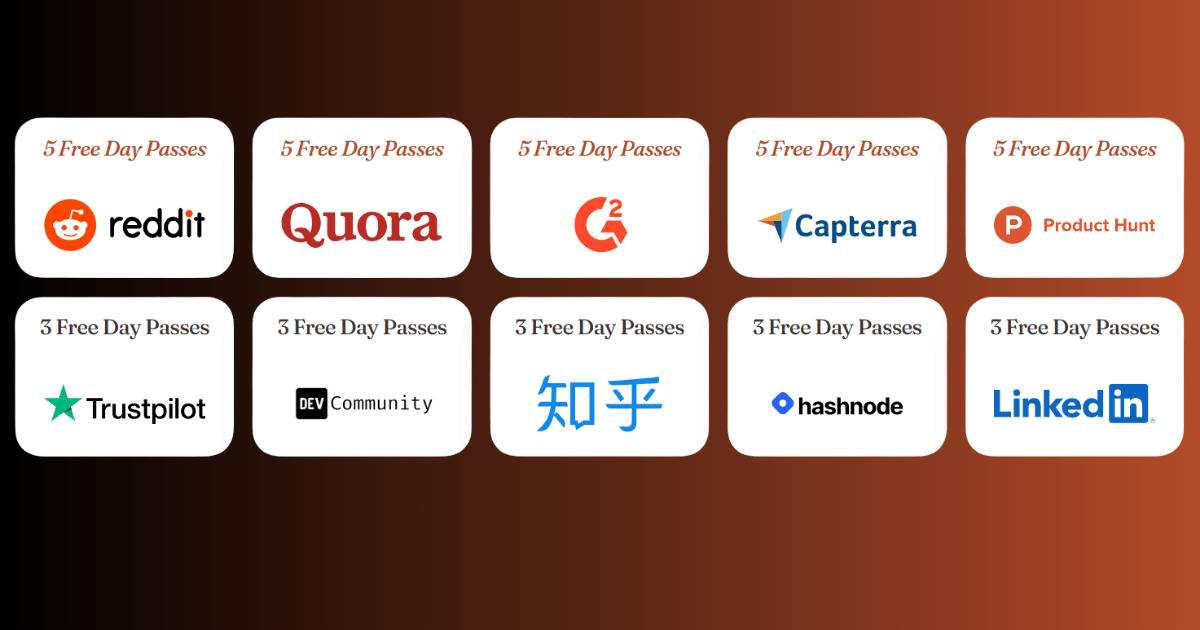
Get between 3 and 5 free Day Passes and check as many emails as you want. It’s literally unlimited.
The goal of this program is to allow you to test the TrustSender.io tool before purchasing Day Passes.
But it’s not free forever: You can make a maximum of 10 requests.
Each Day Pass allows you to check an unlimited number of emails within a 24-hour period.
If you have 5 Day Passes and use 1 per week, you will have enough for more than a month of email checks, which should be enough to keep your lists clean and up-to-date.
See details of the Bonus For Review Program at: TrustSender.io Bonus For Review Program
Related validation checks covered in this guide
- Email validation.
- Email verification.
- Email list cleaning.
- Email list validation.
- Invalid email checker.
- Domain validation.
- Email bounce detection.
- Risky email classification.
- Disposable email detection.
- Catch-all classification.
- Sender reputation protection.
FAQ
What is reverse DNS lookup?
Reverse DNS lookup is a DNS query that takes an IP address and returns the hostname associated with that IP, usually through a PTR record.
What is a PTR record?
A PTR record maps an IP address back to a hostname. For email sending, it helps receiving servers identify the infrastructure behind a connection.
Does reverse DNS improve email deliverability?
It can help. Reverse DNS supports infrastructure trust, but deliverability also depends on authentication, sender reputation, list quality, complaints, engagement, and sending behavior.
What happens if reverse DNS is missing?
A missing PTR record can make a sending server look poorly configured. As a result, some receiving systems may filter, defer, or reject messages more aggressively.
Can TrustSender.io fix reverse DNS?
No. Reverse DNS must be configured by the IP owner, hosting provider, cloud provider, ISP, or email service provider. TrustSender.io helps with list-quality risk before sending.
Should I validate my list if reverse DNS is correct?
Yes. Even with correct reverse DNS, invalid and risky contacts can create bounces, complaints, and weak engagement signals that harm sender reputation.