











A hard bounce email is one of the clearest signs that an address should not stay in your normal sending list. It usually means your message could not be delivered for a permanent reason, such as an invalid mailbox, a non-existent domain, or a recipient server that will not accept the message.
For email marketing, cold outreach, newsletters, and customer communication, hard bounces are not just failed deliveries. They are list-quality signals. If too many hard bounces appear in a campaign, your email bounce rate rises, your campaign data becomes less reliable, and your sender reputation can suffer.
The safest approach is simple: identify risky and invalid contacts before you send, suppress hard-bounced addresses after they appear, and keep list cleaning as a normal part of campaign preparation.
Quick answer
A hard bounce email is an email that cannot be delivered for a reason that is usually permanent. Common causes include invalid addresses, closed mailboxes, non-existent domains, long-term inactive inboxes, or strict recipient-side filtering.
You should not keep sending to hard-bounced addresses. Remove or suppress them, review the bounce reason when available, and validate your list before the next campaign.
Key takeaways
- A hard bounce usually means the address is not safe for normal sending.
- Common causes include typos, fake signups, old contacts, closed accounts, invalid domains, and strict recipient policies.
- Repeated hard bounces can increase email bounce rate and hurt sender reputation.
- Hard-bounced contacts should be removed, suppressed, or isolated from future campaigns.
- A hard bounce checker or email validation workflow can help identify risky addresses before sending.
- TrustSender.io helps separate deliverable, risky, and undeliverable contacts before campaign launch.
What is a hard bounce email?
A hard bounce email is a message that fails because the recipient address or destination cannot reliably receive the email. In most cases, the problem is permanent.
Examples include:
- The mailbox does not exist.
- The email address has a typo.
- The domain does not exist.
- The domain cannot receive email.
- The recipient account was closed.
- The mailbox has been inactive for a long time.
- The receiving server blocks delivery because of policy, authentication, or reputation signals.
A hard bounce is different from a temporary delivery issue. If the recipient server is overloaded, the inbox is temporarily full, or the message is delayed for a short time, that is usually closer to a soft bounce. A hard bounce is more serious because it tells you the contact may not be usable anymore.
Hard bounce vs soft bounce
Hard and soft bounces both mean the message did not reach the recipient, but they require different decisions.
| Bounce type | Meaning | Common causes | Recommended action |
|---|---|---|---|
| Hard bounce | Usually permanent failure | Invalid email, closed mailbox, bad domain, unknown user | Remove, suppress, or isolate |
| Soft bounce | Usually temporary failure | Full mailbox, temporary server issue, message too large, short-term filtering | Retry carefully or monitor |
| Policy bounce | Delivery blocked by recipient rules | SPF, DKIM, DMARC, reputation, content, security filtering | Review authentication and sender reputation |
| Unknown bounce | The server response is unclear | Vague SMTP response or limited diagnostic detail | Treat cautiously and review before resending |
The most important distinction is operational. A soft bounce may deserve another attempt. A hard bounce should not remain in your normal campaign audience.
Why hard bounces hurt email deliverability
Hard bounces are not only a reporting metric. They tell mailbox providers and email platforms that your list may contain poor-quality contacts.
They increase your email bounce rate
Email bounce rate is the percentage of sent emails that fail to deliver. A list with many invalid addresses can quickly produce a high bounce rate, especially if the list is old, imported from multiple sources, or collected without validation.
A high bounce rate makes it harder to understand campaign performance. Your open rate, click rate, and conversion rate can all look worse simply because too many messages never had a real chance to arrive.
They weaken sender reputation
Mailbox providers look for patterns. If your campaigns repeatedly hit invalid mailboxes, abandoned accounts, or dead domains, that pattern can make your sending behavior look less trustworthy.
Sender reputation depends on many factors, including authentication, complaint rates, content, engagement, sending consistency, and list quality. Hard bounces are one of the list-quality signals you can control before sending.
They waste sending volume
Every message sent to an invalid address consumes campaign volume, reporting attention, and operational time. For teams working with large CSV uploads or cold prospecting lists, this waste can become significant.
Cleaning invalid contacts before sending is usually cheaper than discovering them through campaign failures.
Common hard bounce causes
Hard bounces usually come from a few predictable sources.
1. Typos in the email address
Manual entry errors are common. Examples include gmial.com instead of gmail.com, missing characters, extra spaces, double dots, or malformed addresses.
Syntax validation catches some of these issues before sending.
2. Fake or low-intent signups
Some users enter fake addresses to access a download, coupon, free trial, or gated form. These addresses may never have existed.
If a form does not validate emails at entry or before campaign import, fake signups can become campaign bounces.
3. Old contact lists
People change jobs, domains expire, companies close, and inboxes are deleted. A list that worked last year may not be safe today.
Old lists should be validated before reactivation campaigns.
4. Closed or abandoned mailboxes
A mailbox may have existed at one point but no longer receives email. This is common in B2B lists, where job changes make addresses obsolete.
5. Invalid or inactive domains
If the domain is misspelled, expired, parked, or not configured to receive email, delivery can fail before the message reaches any real inbox.
Domain validation and MX record checks help detect this risk.
6. Recipient-side security filtering
Sometimes a valid contact can hard bounce because the recipient server rejects the message for policy reasons. This may involve content, sender reputation, authentication, or corporate security rules.
This is why the bounce reason matters. Not every hard bounce means the person is fake, but it does mean the address should not stay in normal sending without review.
How to fix a hard bounce email before sending again
The safest fix depends on the cause. Use this workflow.
Step 1: Do not resend blindly
If an address hard bounced, do not keep sending to it in the same way. Repeated attempts can make the problem worse.
Move the contact to a suppression, review, or risky segment until you understand the issue.
Step 2: Check the address format
Look for obvious syntax problems:
- Spaces before or after the address.
- Missing
@. - Missing domain.
- Typo in common domains.
- Invalid characters.
- Double dots.
- Incomplete top-level domain.
If the address is malformed, remove it or correct it only when you have a reliable source.
Step 3: Check the domain
A valid-looking email can still fail if the domain is not usable.
Review whether the domain exists, whether it looks misspelled, and whether it can receive email. For bulk lists, this should be done through validation rather than manual checking.
Step 4: Review the bounce reason
If your email platform gives a bounce reason, use it. “Unknown user” and “invalid recipient” should usually lead to suppression. Policy, spam, or authentication-related failures may require domain authentication or sender reputation review.
Step 5: Suppress clear failures
Do not keep invalid addresses in your active audience. Suppression is safer than deletion when you need a record of why the contact should not be contacted again.
Step 6: Validate the list before the next campaign
If one hard bounce appears, there may be more. Run the full list through email validation before sending again, especially when the source is old, imported, cold, or manually collected.
How to prevent hard bounces
Hard bounce prevention starts before the campaign.
Validate before uploading or sending
Use email validation before importing contacts into an email platform or before sending a large campaign. This helps identify invalid, risky, and undeliverable records before they create bounce data.
Clean old lists before reactivation
Reactivation campaigns are risky because old contacts often contain outdated addresses. Validate the list first, then send to the safest segment before expanding.
Use confirmed opt-in when appropriate
For newsletters and account creation, confirmed opt-in can reduce fake or mistyped addresses. It also gives the user a chance to confirm that the inbox is real and accessible.
Separate risky contacts
Do not mix risky contacts with your cleanest audience. Keep risky results in a separate file or segment so you can review them with more caution.
Watch bounce patterns by source
If one signup form, partner list, lead source, or campaign type creates more bounces than others, fix the source. Hard bounce prevention is not only about cleaning after the fact. It is about improving how addresses enter your database.
How TrustSender.io helps
TrustSender.io helps teams clean and validate email lists before sending. Instead of treating every address as equal, TrustSender.io separates results into practical files so you can decide what to send, what to review, and what to suppress.
For hard bounce prevention, TrustSender.io helps you:
- Find obvious invalid addresses before they create campaign bounces.
- Separate risky contacts from safer contacts.
- Review undeliverable results before uploading to an email platform.
- Use email validation as part of list cleaning.
- Reduce avoidable email bounce rate risk.
- Prepare cleaner files for email marketing and cold outreach workflows.
TrustSender.io does not guarantee inbox placement. No email checker can do that. Inbox placement also depends on authentication, sender reputation, complaint rates, content, engagement, and sending behavior.
But a cleaner list gives your campaign a safer starting point.
Related TrustSender resources
- What Is Email Bounce
- Bounced Email
- Soft Bounce vs Hard Bounce Email
- Email Bounce Rate Benchmarks
- Email Validation Checker
- Free Email List Validation
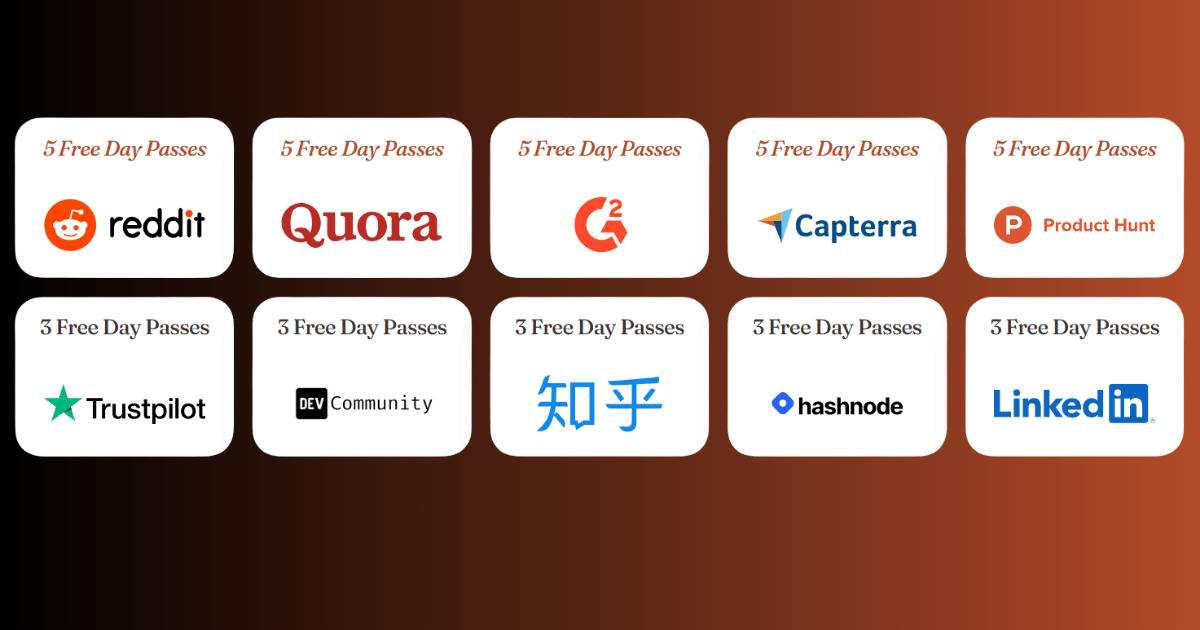
How to use TrustSender.io in free mode?
Get between 3 and 5 free Day Passes and check as many emails as you want. It’s literally unlimited.
The goal of this program is to allow you to test the TrustSender.io tool before purchasing Day Passes.
But it’s not free forever: You can make a maximum of 10 requests.
Each Day Pass allows you to check an unlimited number of emails within a 24-hour period.
If you have 5 Day Passes and use 1 per week, you will have enough for more than a month of email checks, which should be enough to keep your lists clean and up-to-date.
See details of the Bonus For Review Program at: TrustSender.io Bonus For Review Program
Related validation checks covered in this guide
- Syntax validation.
- Domain validation.
- MX record validation.
- Invalid email checker.
- Hard bounce checker.
- Email bounce detection.
- Email list cleaning.
- Email hygiene.
- Sender reputation protection.
- Risky email classification.
FAQ
What is a hard bounce email?
A hard bounce email is an email that cannot be delivered for a reason that is usually permanent. Common causes include invalid addresses, non-existent mailboxes, closed accounts, bad domains, and recipient-side blocking.
Should I delete hard-bounced emails?
You should remove or suppress them from active sending. Suppression is often better than deletion because it keeps a record that the address should not be contacted again.
Can a valid email hard bounce?
Yes. Sometimes a valid address can hard bounce because of strict filtering, authentication issues, corporate security policies, or sender reputation problems. Review the bounce reason before assuming the person does not exist.
How do I reduce hard bounces?
Validate email lists before sending, clean old contacts, remove obvious typos, suppress invalid addresses, use confirmed opt-in where appropriate, and monitor bounce patterns by list source.
Is a hard bounce worse than a soft bounce?
Usually yes. A hard bounce is normally permanent and should be removed or suppressed. A soft bounce is usually temporary and may be retried carefully.
Can TrustSender.io fix hard bounces?
TrustSender.io helps reduce avoidable hard bounce risk by validating lists before sending and separating deliverable, risky, and undeliverable contacts. It does not repair invalid addresses or guarantee delivery.