











A spam trap checker helps you review an email list for signals that may expose your campaigns to dangerous or low-quality addresses. Spam traps are not normal subscribers. They are addresses used by anti-spam systems to identify poor list collection, scraping, list buying, abandoned contacts, or unsafe sending behavior.
For senders, the risk is serious. A spam trap hit can damage sender reputation, affect email deliverability, and make mailbox providers less likely to trust future campaigns. Even if the rest of your message looks legitimate, a poor-quality list can create signals that are hard to recover from.
However, spam trap checking is not magic. No email checker can guarantee that every trap is removed. The practical goal is to reduce risk before sending by validating the list, removing obvious bad data, suppressing old failures, separating risky email addresses, and fixing the sources that create list-quality problems.
Quick answer
A spam trap checker is a tool or workflow that helps identify email addresses and list patterns that may create spam trap risk. It cannot prove that a list is perfectly safe, but it can help detect risky contacts, invalid addresses, stale data, suspicious sources, and poor list hygiene before a campaign.
Use spam trap checking before sending to old lists, purchased or scraped data, cold outreach files, event leads, partner lists, reactivation campaigns, or any database that has not been validated recently.
Key takeaways
- Spam traps are used to detect senders with poor list collection or weak email hygiene.
- A spam trap checker can reduce risk, but it cannot guarantee that a list has no traps.
- Old, scraped, purchased, or poorly sourced lists are higher risk.
- Email validation helps separate safer contacts from risky and undeliverable contacts.
- Suppression lists, bounce history, and list source tracking are essential.
- TrustSender.io helps teams clean lists before sending, without promising guaranteed inbox placement.
What is a spam trap?
A spam trap is an email address used to identify unwanted or suspicious email. These addresses are not normal subscribers who asked to receive campaigns. They exist to catch senders who collect, import, scrape, buy, or reuse email addresses without enough care.
A sender may hit a spam trap for several reasons:
- The list was scraped from websites.
- The list was purchased or rented.
- Old contacts were not cleaned.
- Invalid or abandoned addresses stayed in the database.
- A signup form was abused.
- A partner file contained poor-quality records.
- Previous bounces were not suppressed.
- The sender imported old CRM data without validation.
The sender may not know the trap exists. That is the point. Spam traps are designed to reveal list-quality problems that are not obvious from a normal CSV file.
What a spam trap checker can and cannot do
A spam trap checker can help reduce risk. It can look for addresses, domains, and patterns associated with unsafe sending. It can also help classify contacts that should not be treated as normal deliverable subscribers.
However, it cannot make a perfect guarantee.
Spam traps are not usually public lists that every sender can check directly. If they were easy to identify, they would stop being useful. Therefore, a realistic spam trap checker focuses on risk reduction, not certainty.
A useful workflow should help you:
- Remove invalid addresses.
- Identify risky email addresses.
- Detect stale or suspicious contacts.
- Separate uncertain results.
- Suppress previous bounces and complaints.
- Review list sources.
- Avoid sending to every address with the same confidence.
The best result is a cleaner, safer list. It is not a promise that no spam trap exists.
Why spam traps hurt sender reputation
Sender reputation is built from repeated signals. Mailbox providers and anti-spam systems look at how you send, who you send to, how recipients respond, and whether your list appears trustworthy.
Spam trap hits can suggest that a sender has weak list controls. That may lead to:
- Lower inbox placement.
- Higher spam-folder placement.
- Throttling or blocking.
- Blacklist risk.
- Poorer email deliverability.
- Reduced trust in future campaigns.
- More difficult reputation recovery.
This is why spam trap prevention should happen before the campaign. Once a trap has been hit, the signal may already be recorded.
Common sources of spam trap risk
Purchased or rented lists
Purchased lists are one of the highest-risk sources. They often contain old, scraped, duplicated, role-based, inactive, or invalid contacts.
Even when a vendor claims the list is verified, you do not control how the contacts were collected or whether they expected to hear from you.
Scraped addresses
Scraped addresses are collected from websites, directories, forums, public pages, or other online sources. This is especially risky because spam traps are often placed where automated harvesters can find them.
Sending to scraped addresses is a strong signal of unsafe acquisition.
Old CRM exports
A list that was useful years ago may not be safe today. People change jobs, inboxes close, domains expire, and old addresses may be repurposed or abandoned.
Old lists should always be validated before reactivation.
Weak signup forms
Forms can attract fake, disposable, mistyped, or low-intent addresses. If there is no confirmation or validation, poor-quality contacts can enter the database quickly.
This is common with coupons, gated downloads, free trials, and low-friction lead forms.
Ignored bounce history
Hard bounces, repeated soft bounces, complaints, and unsubscribes should not keep returning to active campaigns.
If suppression rules fail, the same bad addresses can be imported again and again.
How to use a spam trap checker safely
Start with list source review
Before running any tool, ask where the addresses came from.
A trusted customer signup is different from a purchased file. An engaged newsletter subscriber is different from a scraped contact. A recent opt-in is different from an old CRM export.
Source quality should guide how much risk you are willing to take.
Remove obvious bad data
Clean the file before validation.
Remove blank rows, duplicates, malformed addresses, corrupted fields, fake-looking records, and addresses with obvious syntax problems. This does not solve every spam trap risk, but it improves the input.
Run email validation
Email validation helps identify invalid, risky, and undeliverable contacts before sending. It also helps separate addresses that deserve review from addresses that appear safer.
A spam trap checker should not replace email validation. Instead, it should be part of a broader list cleaning workflow.
Segment risky contacts
Do not send risky results with your cleanest segment.
Risky contacts may include:
- Unknown results.
- Disposable email addresses.
- Catch-all addresses.
- Role-based addresses.
- Old non-engagers.
- Repeated soft bounces.
- Contacts from low-quality sources.
- Addresses with suspicious patterns.
Segmentation allows you to control volume and reduce damage if the signal is weak.
Suppress previous failures
Suppression is essential. Previous hard bounces, complaints, unsubscribes, and known bad contacts should stay out of active campaigns.
Deletion alone is often not enough because the same address can return through a later CSV import.
Send first to the safest contacts
When a list has risk, start with the most trusted segment. Recent, engaged, directly collected contacts are safer than old, cold, or uncertain records.
This gives you better early signals before expanding.
Spam trap checker vs email validation
A spam trap checker focuses on reducing exposure to dangerous addresses and risky list patterns. Email validation is broader. It checks whether addresses are formatted correctly, whether domains can receive email, and whether contacts should be classified as deliverable, risky, or undeliverable.
In practice, the two workflows should work together.
| Check | Purpose | Typical action |
|---|---|---|
| Syntax validation | Finds malformed addresses | Remove or correct from trusted source |
| Domain validation | Detects bad or inactive domains | Suppress or review |
| Bounce history | Finds previous delivery failures | Suppress |
| Risk classification | Separates uncertain contacts | Segment |
| Source review | Finds poor acquisition channels | Fix or reject source |
| Spam trap risk review | Reduces exposure to dangerous contacts | Clean, suppress, or avoid sending |
The goal is not only to check one address. The goal is to improve the whole sending workflow.
Mistakes to avoid
Treating verification as a guarantee
No tool can guarantee perfect spam trap removal. Treat verification as risk reduction.
Sending to purchased lists after a quick check
A purchased list is risky even after validation. Verification may reduce bounces, but it does not create consent or long-term engagement.
Mixing risky contacts with engaged subscribers
Your best segment should not carry the risk created by uncertain records. Keep risky contacts separate.
Ignoring old data
Old lists decay. If you have not sent to a segment recently, validate it before using it again.
Forgetting suppression lists
Suppression protects your sender reputation. Keep hard bounces, unsubscribes, complaints, and known bad contacts out of future sends.
How TrustSender.io helps
TrustSender.io helps teams clean and validate email lists before sending. For spam trap risk, its role is practical: reduce avoidable list-quality problems and help you avoid sending every contact with the same confidence.
TrustSender.io helps you:
- Identify invalid contacts before they create bounces.
- Separate risky contacts from safer contacts.
- Support email list cleaning before campaigns.
- Reduce avoidable email bounce rate pressure.
- Prepare cleaner CSV files for email platforms.
- Improve email hygiene before sending.
- Protect sender reputation with better list control.
TrustSender.io does not guarantee that a list contains no spam traps. It also does not guarantee inbox placement. No email checker can do that. Inbox placement depends on list quality, consent, authentication, sender reputation, complaints, content, engagement, and mailbox-provider filtering.
Still, a cleaner list gives every campaign a safer starting point.
Related TrustSender resources
- Email Sender Reputation
- Invalid Email Addresses
- Email Bounce Checker
- Catch-All Email
- Disposable Email Addresses
- Email Validation Checker
How to use TrustSender.io in free mode?
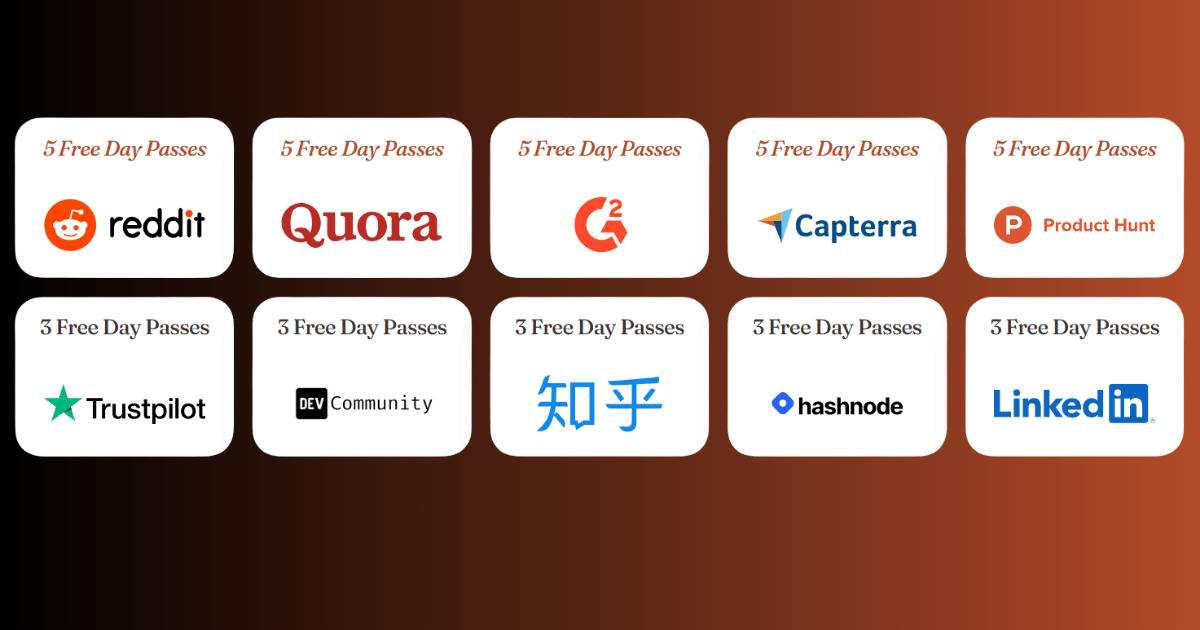
Get between 3 and 5 free Day Passes and check as many emails as you want. It’s literally unlimited.
The goal of this program is to allow you to test the TrustSender.io tool before purchasing Day Passes.
But it’s not free forever: You can make a maximum of 10 requests.
Each Day Pass allows you to check an unlimited number of emails within a 24-hour period.
If you have 5 Day Passes and use 1 per week, you will have enough for more than a month of email checks, which should be enough to keep your lists clean and up-to-date.
See details of the Bonus For Review Program at: TrustSender.io Bonus For Review Program
Related validation checks covered in this guide
- Email validation.
- Email verification.
- Email list cleaning.
- Email list validation.
- Invalid email checker.
- Email bounce detection.
- Risky email classification.
- Disposable email detection.
- Catch-all classification.
- Sender reputation protection.
FAQ
What is a spam trap checker?
A spam trap checker is a tool or workflow that helps identify addresses and list patterns that may create spam trap risk before a campaign.
Can a spam trap checker guarantee that my list is safe?
No. Spam trap checking reduces risk, but it cannot guarantee that a list contains no traps.
What causes spam trap hits?
Common causes include scraped lists, purchased data, old contacts, weak signup forms, ignored bounce history, and poor suppression practices.
Should I send to a risky list after validation?
Send cautiously, if at all. Risky contacts should be segmented, reviewed, and tested separately from your cleanest audience.
Does email validation remove spam traps?
Email validation can reduce risk by finding invalid, risky, and undeliverable contacts. However, it cannot guarantee complete spam trap removal.
How does TrustSender.io help?
TrustSender.io validates email lists and separates deliverable, risky, and undeliverable contacts so teams can reduce avoidable list-quality risk before sending.