










Disposable email addresses are temporary or low-commitment email addresses that people use when they do not want to share their primary inbox. Some are created for privacy. Others are used to access a download, test a form, claim a coupon, avoid follow-up messages, or create accounts with little long-term intent.
For senders, however, the problem is not that every disposable address is fake. The real issue is uncertainty. A disposable address may work today and disappear tomorrow, then never engage again. In some cases, the inbox may be shared, abandoned, blocked, or used only once.
That makes disposable email addresses important for email validation, email list cleaning, and email deliverability. If too many disposable contacts enter your list, your campaign data becomes weaker, your bounce risk increases over time, and your sender reputation may suffer.
Quick answer
Disposable email addresses are temporary, masked, or single-use addresses that people use instead of a primary inbox. They can be legitimate for privacy, but they are risky for marketing, onboarding, cold outreach, and long-term customer communication.
As a result, the safest approach is to detect disposable addresses before sending, separate them from normal deliverable contacts, and decide whether to suppress, review, or treat them as a lower-confidence segment.
Key takeaways
- Disposable email addresses are not always invalid, but they are risky.
- They often show lower long-term value because the user may not intend to keep receiving email.
- Disposable addresses can distort campaign metrics and lead quality.
- Some disposable inboxes disappear quickly, creating future bounce risk.
- A disposable email checker helps identify these contacts before campaigns.
- TrustSender.io helps separate deliverable, risky, and undeliverable contacts so you can protect list quality.
What are disposable email addresses?
Disposable email addresses are email addresses used for a limited purpose. They may forward messages to a real inbox, expire after a short time, or exist only long enough to receive one confirmation code.
People use them for several reasons:
- To avoid spam.
- To protect privacy.
- To test a form.
- To access gated content.
- To claim a coupon.
- To create a trial account.
- To avoid future sales emails.
- To hide their primary inbox.
For the user, disposable addresses can be useful. For the sender, however, they create uncertainty.
A disposable contact may not be a real long-term prospect. Later, the address may become unreachable. As a result, the user may never see your onboarding emails. It can also make your form conversion numbers look better than your real audience quality.
Why disposable email addresses are risky for senders
They reduce list quality
A healthy email list should contain contacts that can receive messages and have a reasonable chance of engaging. Disposable addresses weaken that signal.
Even when the first email is delivered, the address may not remain useful for future campaigns.
They can increase bounce risk later
Some disposable addresses expire. Others are abandoned. Some providers delete inboxes after a short window.
That means a contact that appears usable today may become undeliverable later. If you keep sending to these addresses, they can eventually contribute to hard bounces or poor engagement.
They distort campaign metrics
Disposable contacts can make reports harder to trust.
For example, if many people used temporary addresses only to access a form, your list size may grow while real engagement does not. Open rates, click rates, reply rates, and conversion rates can all become less meaningful.
They weaken lead quality
For SaaS, ecommerce, newsletters, and B2B lead generation, disposable addresses often signal low intent. Someone who does not want to share a stable inbox may be less likely to become a real customer.
This does not mean every disposable address should be rejected automatically. Instead, the contact should be treated differently.
They can affect sender reputation
In addition, sender reputation depends on repeated sending behavior. If your campaigns include many low-quality, abandoned, temporary, or non-engaged addresses, mailbox providers may see weaker signals from your audience.
Therefore, email hygiene is not only about removing invalid addresses. It is also about reducing avoidable uncertainty.
Disposable vs invalid vs risky emails
Although disposable, invalid, and risky addresses are related, they are not the same.
| Type | Meaning | Typical action |
|---|---|---|
| Disposable | Temporary, masked, or low-commitment address | Segment, review, or suppress depending on use case |
| Invalid | Address cannot reliably receive email | Remove or suppress |
| Risky | Address may be deliverable but uncertain | Send cautiously or review |
| Deliverable | Address appears safe enough to send | Use in normal campaign segment |
A disposable address may pass syntax validation. It can also have a valid domain and receive email today. However, it still carries business risk because it may not represent a durable contact.
Where disposable emails usually enter your list
Free trials
Free trials attract users with different intent levels. Some are serious prospects. Others want to test quickly without using their primary inbox.
Disposable addresses are common in low-friction signup flows.
Gated content
People may use temporary inboxes to download a PDF, checklist, coupon, or report without joining a long-term marketing list.
Coupon and promotion forms
If a form gives an immediate reward, disposable addresses can increase. The user wants the benefit, not the relationship.
Event lists and imported CSV files
Offline or partner-supplied lists can include disposable, fake, or low-quality addresses. These should be validated before import.
Cold outreach files
Cold lists already carry higher deliverability risk. Disposable addresses add another layer of uncertainty.
How to detect disposable email addresses
Use a disposable email checker
A disposable email checker compares the domain against known disposable or temporary email providers. It helps identify addresses that may not be suitable for normal campaign sending.
This is more reliable than manual review because disposable domains change over time.
Check the domain
Some disposable addresses use obvious temporary email domains. Others look less obvious.
Domain validation helps identify whether the domain exists, whether it can receive email, and whether it resembles known temporary inbox infrastructure.
Watch engagement patterns
Disposable addresses often show weak long-term engagement. If a segment signs up, receives one message, and never interacts again, review the source.
Track list source quality
Also, the source matters. If one signup page, ad campaign, partner file, or coupon form produces a high share of disposable emails, fix the source.
Therefore, list cleaning should not only happen after contacts enter the database. It should improve how contacts are collected.
Should you block disposable email addresses?
In practice, it depends on the use case.
Block them when identity matters
For example, blocking may make sense for:
- Account creation where long-term access is important.
- Fraud-prone signup flows.
- Free trials with abuse risk.
- High-value gated assets.
- Communities where moderation matters.
- Payment-related onboarding.
- Product workflows that require reliable communication.
Segment them when marketing risk is the main issue
For newsletters or campaigns, automatic blocking may be too aggressive. Some users choose disposable addresses for privacy, not abuse.
In these cases, segmentation is often better. Put disposable contacts into a risky or low-confidence group instead of treating them like normal deliverable contacts.
Suppress them when they create repeated problems
If disposable contacts bounce, complain, never engage, or repeatedly lower campaign quality, suppress them from active sending.
How to handle disposable emails in campaigns
Do not mix them with your best segment
Keep disposable addresses separate from your highest-confidence audience. Your best segment should contain contacts that are likely to receive and engage.
Send cautiously, if at all
If you choose to send to disposable contacts, do it carefully. Start with a smaller test, monitor bounce and engagement, and stop if the signal is weak.
Avoid using them for warm-up
Never use disposable contacts to warm up a domain or rebuild sender reputation. Warm-up should start with real, engaged recipients.
Review the source
If disposable addresses are common, the collection method may be too easy to abuse.
Review form copy, incentives, captcha, confirmation flow, partner data quality, and validation rules.
Keep suppression rules active
If a disposable address becomes undeliverable or bounces, suppress it. Do not allow the same address to be re-imported through a later CSV file.
How TrustSender.io helps
TrustSender.io helps teams validate email lists before sending and separate contacts into practical outputs.
For disposable email address risk, TrustSender.io helps you:
- Identify risky contacts before campaigns.
- Separate disposable or low-confidence addresses from safer contacts.
- Support email list cleaning before major sends.
- Reduce avoidable bounce risk.
- Prepare cleaner CSV files for email marketing platforms.
- Protect sender reputation with better list hygiene.
However, TrustSender.io does not guarantee inbox placement. No email checker can do that. Inbox placement also depends on authentication, sender reputation, content, complaints, engagement, and mailbox-provider filtering.
Still, a cleaner list gives every campaign a safer starting point.
Related TrustSender resources
- Invalid Email Addresses
- Email Bounce Checker
- Email Sender Reputation
- Clean Email List Before Sending
- Email Validation Checker
- Free Email List Validation
- Disposable Email Checker
How to use TrustSender.io in free mode?
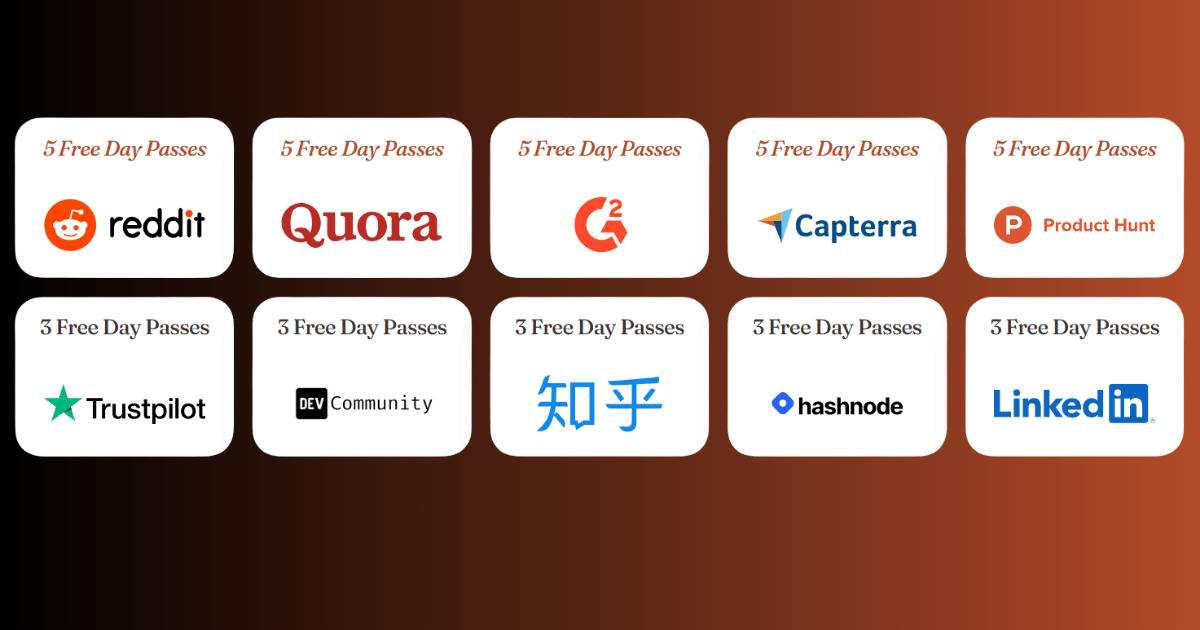
Get between 3 and 5 free Day Passes and check as many emails as you want. It’s literally unlimited.
The goal of this program is to allow you to test the TrustSender.io tool before purchasing Day Passes.
But it’s not free forever: You can make a maximum of 10 requests.
Each Day Pass allows you to check an unlimited number of emails within a 24-hour period.
If you have 5 Day Passes and use 1 per week, you will have enough for more than a month of email checks, which should be enough to keep your lists clean and up-to-date.
See details of the Bonus For Review Program at: TrustSender.io Bonus For Review Program
Related validation checks covered in this guide
- Disposable email checker.
- Disposable email detector.
- Invalid email checker.
- Syntax validation.
- Domain validation.
- Email list validation.
- Email list cleaning.
- Email bounce detection.
- Risky email classification.
- Sender reputation protection.
FAQ
What are disposable email addresses?
Disposable email addresses are temporary, masked, or single-use addresses that people use instead of a primary inbox. They may be used for privacy, testing, one-time signup, or avoiding future messages.
Are disposable email addresses invalid?
Not always. For example, some disposable addresses can receive email at first. The risk is that they may expire, be abandoned, or show low long-term engagement.
Should I remove disposable emails from my list?
You should usually separate them from your normal sending list. Depending on your business model, you may suppress them, review them, or send cautiously.
Do disposable emails hurt deliverability?
They can. When they lead to bounces, low engagement, fake signups, or poor list quality, they can contribute to weaker sender reputation over time.
How can I detect disposable email addresses?
Use a disposable email checker or email validation tool that can identify known temporary email domains and classify risky contacts before sending.
How does TrustSender.io help?
TrustSender.io validates email lists and separates deliverable, risky, and undeliverable contacts so you can reduce avoidable bounce risk and improve list hygiene.